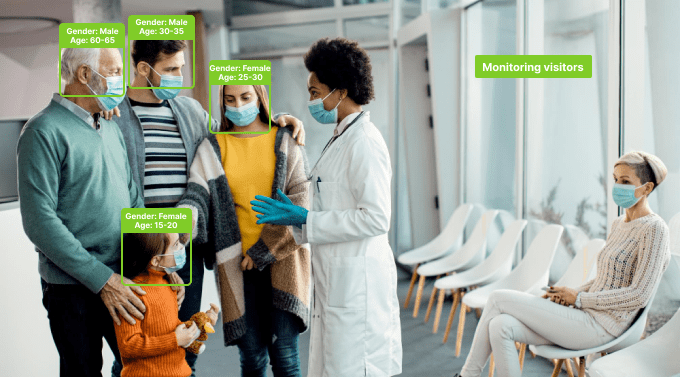
In recent years, advancements in artificial intelligence (AI) have revolutionized various industries, and healthcare is no exception. One notable application is the integration of AI video analytics software to improve safety and security within hospital environments. With the increasing complexity of healthcare facilities and the critical nature of patient care, ensuring a secure and safe environment is paramount. This blog explores the major ways in which AI video analytics software can significantly enhance hospital safety and security.
Real-time Threat Detection and Response
AI video analytics software enables hospitals to achieve real-time threat detection, allowing for swift responses to potential security breaches. Advanced algorithms analyze video feeds from surveillance cameras, identifying anomalies or suspicious activities such as unauthorized access to restricted areas, unattended objects, or erratic behavior. By detecting potential threats in real-time, security personnel can respond promptly, preventing security incidents before they escalate.
Access Control and Identity Verification
Traditional access control systems may be susceptible to breaches due to stolen access cards or unauthorized personnel entering restricted areas. AI video analytics enhances access control by integrating facial recognition and behavioral analysis. This ensures that only authorized individuals gain access to sensitive areas, reducing the risk of unauthorized personnel compromising patient safety or accessing confidential information.
Patient Monitoring and Fall Prevention
Hospitals can leverage AI video analytics to enhance patient monitoring and fall prevention strategies. By utilizing video feeds and computer vision algorithms, the software can track patient movements and identify potential risks. For instance, the system can detect if a patient is attempting to leave their bed unassisted or if they are in an unsafe position that may lead to a fall. Immediate alerts can be sent to healthcare staff, enabling timely intervention and reducing the likelihood of patient injuries.
Asset Protection and Inventory Management
Managing hospital assets and inventories is crucial for maintaining efficient operations. AI video analytics can be employed to monitor the movement of medical equipment, pharmaceuticals, and other valuable assets. In cases of theft or misplacement, the software can quickly identify the responsible party, aiding in the recovery of stolen items and preventing potential disruptions to patient care.
Emergency Response Optimization
During emergencies such as fires, natural disasters, or security incidents, AI video analytics can play a pivotal role in optimizing emergency responses. The software can automatically detect signs of emergencies through video feeds, alerting emergency response teams and providing them with critical information about the situation. This enables a faster and more coordinated response, ultimately minimizing the impact on patient safety.
Social Distancing and Infection Control
In the wake of global health crises, such as the COVID-19 pandemic, hospitals are increasingly focusing on infection control measures. AI video analytics can assist in monitoring adherence to social distancing guidelines within hospital premises. By analyzing video feeds, the software can identify crowded areas and provide insights to hospital staff for better crowd management, thus reducing the risk of infectious disease transmission.
Behavioral Analytics for Proactive Security Measures
AI video analytics goes beyond simple surveillance by incorporating behavioral analytics. By analyzing patterns of behavior, the software can identify abnormal activities that may indicate potential security threats. For example, recognizing patterns of loitering or suspicious behavior in certain areas can trigger proactive security measures, allowing hospitals to address security concerns before they escalate.
Conclusion
The integration of AI video surveillance software holds immense potential for significantly improving hospital safety and security. The real-time threat detection, access control enhancements, patient monitoring, asset protection, emergency response optimization, infection control, and behavioral analytics collectively contribute to creating a safer and more secure healthcare environment. As technology continues to advance, hospitals must embrace these innovations to ensure the well-being of patients, staff, and the overall integrity of healthcare operations. The successful implementation of AI video analytics stands as a testament to the power of technology in safeguarding the critical spaces where health and security intersect.
 Nextbrain Technologies