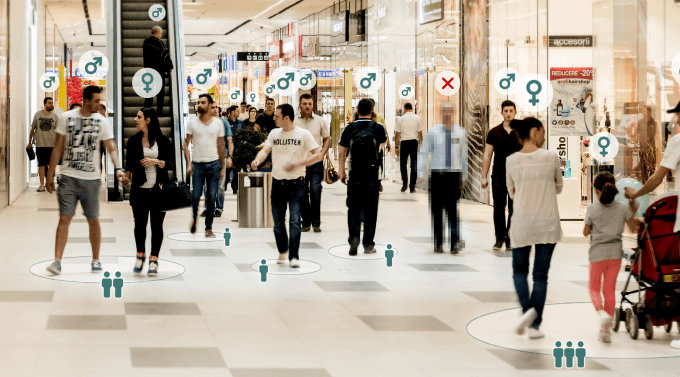
Shopping malls have long been the cornerstone of retail experiences, serving as bustling hubs where consumers engage with brands, products, and services. In recent years, the advent of footfall counting software has revolutionized how malls understand and optimize their operations. By leveraging people counting software, malls can glean invaluable insights into visitor behavior, preferences, and trends, ultimately driving sales and enhancing overall profitability.
Understanding Footfall Analytics:
Footfall analytics, powered by sophisticated people counting software, enable malls to accurately track and analyze visitor traffic in real-time. This software utilizes advanced technologies such as video analytics, Wi-Fi tracking, and infrared sensors to capture data on the number of people entering and exiting the premises, as well as their movement patterns within the mall. By aggregating and analyzing this data, malls can gain a comprehensive understanding of foot traffic dynamics, peak hours, popular zones, and dwell times.
Optimizing Mall Layout and Design:
One of the primary ways in which malls use footfall analytics to drive sales is by optimizing their layout and design. By identifying high-traffic areas and analyzing visitor flow patterns, mall operators can strategically position anchor stores, promotional displays, and amenities to maximize exposure and engagement. For instance, if footfall data reveals a particular corridor with consistently high traffic, mall management may choose to allocate premium retail spaces or install interactive exhibits to capitalize on this foot traffic.
Enhancing Tenant Mix and Merchandising:
Footfall analytics also empower malls to refine their tenant mix and merchandising strategies to better align with consumer preferences. By analyzing which types of stores attract the most foot traffic and generate the highest sales, mall operators can curate a diverse mix of tenants that cater to the needs and interests of their target audience. Additionally, insights derived from footfall data can inform decisions regarding product placement, pricing strategies, and promotional campaigns, thereby optimizing the overall shopping experience and driving conversion rates.
Personalizing Marketing Efforts:
Another key application of footfall analytics in shopping malls is the personalization of marketing efforts. By segmenting visitors based on demographics, shopping behavior, and preferences, malls can deliver targeted promotions, discounts, and loyalty rewards to incentivize repeat visits and purchases. For example, if footfall data indicates a significant influx of young families during weekends, mall marketers may launch family-friendly events or offer exclusive deals on children’s apparel and accessories to capitalize on this demographic segment.
Improving Operational Efficiency:
In addition to driving sales, footfall analytics can also help malls improve operational efficiency and resource allocation. By identifying bottlenecks, congestion points, and underutilized areas within the mall, management can streamline traffic flow, optimize staffing levels, and allocate resources more effectively. For instance, if footfall data reveals a consistently high volume of visitors at certain times of the day, mall operators can deploy additional staff to handle customer inquiries, manage queues, and enhance overall service quality.
Measuring Campaign Effectiveness:
Furthermore, footfall analytics enable malls to measure the effectiveness of marketing campaigns, events, and promotions with greater precision. By correlating foot traffic patterns with promotional activities, malls can assess the impact of various initiatives on visitor engagement, conversion rates, and revenue generation. This data-driven approach allows mall marketers to refine their strategies in real-time, allocating resources towards initiatives that yield the highest return on investment and adjusting tactics as needed to optimize results.
Conclusion:
Footfall analytics powered by people counting software have emerged as a game-changer for shopping malls seeking to enhance sales performance and customer satisfaction. By harnessing the power of data insights, malls can optimize their layout, tenant mix, marketing efforts, and operational processes to better meet the needs and preferences of their target audience. As technology continues to evolve, footfall analytics will undoubtedly remain a cornerstone of strategic decision-making for malls looking to thrive in an increasingly competitive retail landscape.
 Nextbrain Technologies