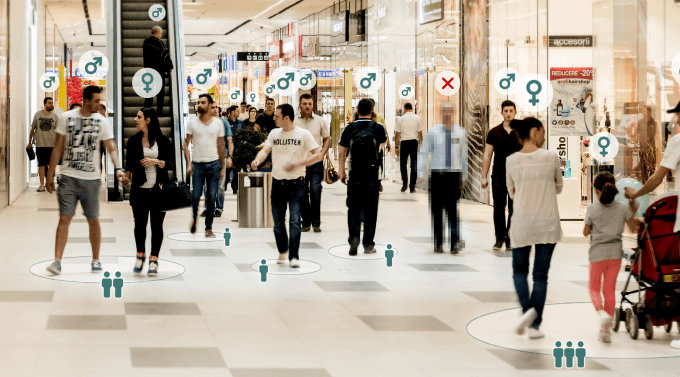
In the rapidly evolving landscape of retail, shopping malls are embracing technological advancements to enhance customer experiences and optimize operational efficiency. One such revolutionary tool is retail footfall analytics, driven by sophisticated footfall counting software and people counting software. This article explores how these technologies have transformed the shopping mall experience, shedding light on the key benefits and implications for both retailers and consumers.
Understanding Retail Footfall Analytics:
Retail footfall analytics refers to the process of collecting, analyzing, and interpreting data related to the number of people entering a retail space. This practice has become increasingly prevalent in shopping malls, as it provides valuable insights into customer behavior, helps optimize store layouts, and informs strategic decision-making.
Key Components:
At the core of retail footfall analytics are advanced technologies like footfall counting software and people counting software. These tools utilize a variety of sensors, including cameras, infrared sensors, and Wi-Fi tracking, to accurately measure and analyze the flow of visitors within a shopping mall.
Accuracy and Precision:
- Footfall counting software ensures precise and real-time monitoring of the number of individuals entering and exiting specific areas within a shopping mall.
- People counting software employs advanced algorithms to distinguish between adults, children, and groups, providing a nuanced understanding of customer demographics.
Operational Optimization:
- By leveraging footfall analytics, shopping mall management can optimize staffing levels, ensuring that the right number of personnel is available during peak hours.
- People counting software aids in identifying high-traffic zones, allowing for strategic placement of promotional displays, improving overall store performance.
Customer Journey Mapping:
- Retailers can use footfall analytics to map the customer journey within the mall, identifying popular routes and potential bottlenecks.
- People counting software assists in understanding customer preferences, enabling targeted marketing strategies and personalized shopping experiences.
Benefits for Shopping Malls:
Enhanced Customer Experience:
- Retail footfall analytics enable shopping malls to tailor their offerings based on real-time customer behavior, leading to personalized and engaging experiences.
- Footfall counting software helps identify peak shopping times, allowing for the implementation of crowd control measures and ensuring a seamless shopping experience for visitors.
Optimized Tenant Mix:
- Shopping mall operators can use footfall analytics to assess the performance of individual stores and optimize the overall tenant mix.
- People counting software aids in understanding customer preferences, facilitating strategic decisions regarding lease agreements and tenant placement.
Increased Revenue Generation:
- With the insights gained from footfall analytics, shopping malls can implement targeted marketing campaigns and promotions, driving foot traffic to specific areas or stores.
- People counting software assists in measuring the effectiveness of promotional activities, enabling data-driven decision-making for maximizing revenue.
Conclusion:
The integration of retail footfall analytics, powered by advanced footfall counting software and people counting software, has revolutionized the shopping mall experience. These technologies offer a wealth of data and insights that empower shopping mall operators to optimize operations, enhance customer experiences, and drive revenue growth. As the retail landscape continues to evolve, the strategic adoption of footfall analytics is poised to play a pivotal role in shaping the future of shopping mall environments.
 Nextbrain Technologies