
Digital signage in the hospitality industry has undergone significant transformation in recent years. As technology evolves and guest expectations shift, hotels are increasingly leveraging digital signage to enhance the guest experience, streamline operations, and improve overall efficiency.
Here are the top digital signage trends in the hotel industry in 2024.
1. Personalized Guest Experiences
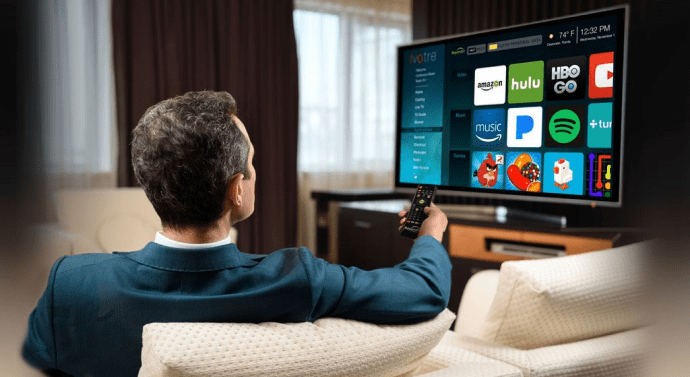
Hyper-Personalization: One of the most prominent trends in hotel digital signage is hyper-personalization. Hotels are using data collected from guest preferences, booking history, and social media profiles to deliver tailored content. For instance, digital welcome screens can display personalized greetings, suggest local attractions based on guest interests, or recommend dining options within the hotel.
Interactive Kiosks: Interactive digital kiosks are being deployed in hotel lobbies and common areas. These kiosks can provide guests with personalized information such as maps of the hotel, event schedules, and special offers. They can also allow guests to check in, check out, and manage their reservations without waiting in line.
2. Enhanced Wayfinding
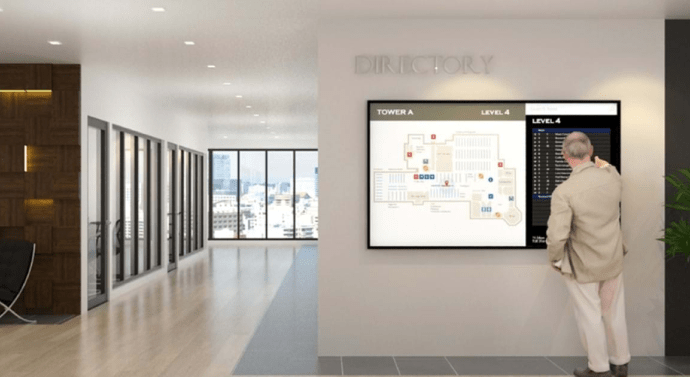
Digital Wayfinding Solutions: Large hotel properties are increasingly adopting digital wayfinding solutions to help guests navigate their premises. These digital maps can be updated in real-time to reflect any changes in layout or room assignments, ensuring guests always have the most accurate information at their fingertips.
Mobile Integration: Many hotels are integrating wayfinding with their mobile apps, allowing guests to use their smartphones for navigation. This seamless integration helps guests find their way to their rooms, meeting spaces, and other amenities with ease.
3. Dynamic Content
Real-Time Updates: Digital signage in hotels is no longer static. Content can be updated in real-time to reflect current events, weather conditions, flight information, and local news. This dynamic content keeps guests informed and engaged.
Event Promotion: Hotels can use digital signage software to promote on-site events, such as conferences, weddings, and live performances. By displaying schedules, speaker information, and promotional videos, hotels can boost attendance and enhance the guest experience.
4. Enhanced Guest Communication
Emergency Alerts: In case of emergencies, digital signage can be used to display important alerts and safety instructions. This ensures that guests are quickly informed about any critical situations, enhancing overall safety.
Feedback and Surveys: Hotels are using digital signage to solicit guest feedback through interactive surveys. This immediate feedback allows hotels to address any issues promptly and improve their services.
5. Sustainability
Energy-Efficient Displays: As sustainability becomes a higher priority, hotels are adopting energy-efficient LED and OLED displays. These screens consume less power and have a longer lifespan, reducing the hotel’s carbon footprint.
Paperless Initiatives: By replacing traditional printed materials such as menus, brochures, and event schedules with digital signage, hotels are reducing paper waste. This not only benefits the environment but also allows for more frequent updates and customization of content.
6. Integration with Other Technologies
IoT Integration: The Internet of Things (IoT) is playing a crucial role in the advancement of digital signage. Hotels are integrating their digital signage systems with IoT devices to offer a more connected and efficient guest experience. For example, room lights and temperature can be adjusted via digital signage interfaces.
Voice Recognition: Voice-activated digital signage is becoming more prevalent in hotels. Guests can interact with displays using voice commands to get information or perform certain actions, making the experience more intuitive and accessible.
7. Social Media Integration
Live Social Media Feeds: Hotels are incorporating live social media feeds into their digital signage. This allows guests to see real-time posts from the hotel’s social media accounts, upcoming events, and guest reviews. It also encourages guests to engage with the hotel’s social media platforms.
User-Generated Content: By showcasing user-generated content such as guest photos and testimonials, hotels can build a sense of community and authenticity. This type of content can be particularly effective in promoting the hotel’s brand and services.
8. Upselling and Cross-Selling
Promotional Offers: Digital signage is an effective tool for upselling and cross-selling. Hotels can display targeted promotional offers for spa services, dining options, and recreational activities. These promotions can be tailored to the guest’s profile, increasing the likelihood of additional revenue.
Room Upgrades: During check-in, digital signage can suggest room upgrades or additional services, providing guests with attractive options to enhance their stay while increasing hotel revenue.
9. Enhanced Aesthetics
Artistic Displays: Hotels are using digital signage as part of their interior design strategy. Artistic displays and digital art installations can enhance the ambiance of hotel spaces, creating a more visually appealing environment for guests.
Video Walls: Large-scale video walls are becoming popular in hotel lobbies and conference areas. These impressive displays can show high-definition video content, creating an immersive and engaging experience for guests.
10. Multilingual Support
Language Options: Hotels with international clientele are implementing multilingual digital signage to cater to guests from different linguistic backgrounds. This ensures that all guests can easily access information and services, regardless of their native language.
Cultural Customization: Beyond language, digital signage can be customized to reflect cultural preferences and sensitivities, providing a more inclusive and welcoming environment for all guests.
Conclusion
Digital signage in the hospitality industry is rapidly evolving, driven by advancements in technology and changing guest expectations. The trends of 2024 highlight a shift towards personalization, interactivity, and sustainability, with a strong focus on enhancing the guest experience and operational efficiency. By adopting these trends, hotels can not only meet but exceed the expectations of their guests, creating memorable and engaging experiences that drive loyalty and revenue. As the industry continues to innovate, digital signage will undoubtedly play a central role in shaping the future of hospitality.
 Nextbrain Technologies