The construction industry is undergoing a significant transformation with the integration of Artificial Intelligence (AI) and video analytics. By leveraging these advanced technologies, construction sites can achieve new levels of safety and productivity. This comprehensive overview explores how AI video analytics are revolutionizing the industry and driving positive outcomes.
Introduction to AI Video Analytics
AI video analytics involve the use of artificial intelligence algorithms to analyze video footage in real-time or post-event. These systems leverage computer vision, machine learning, and data processing to interpret visual data, detect patterns, and make predictions. In the construction industry, AI video analytics are employed to enhance safety protocols and boost productivity.
Enhancing Safety on Construction Sites
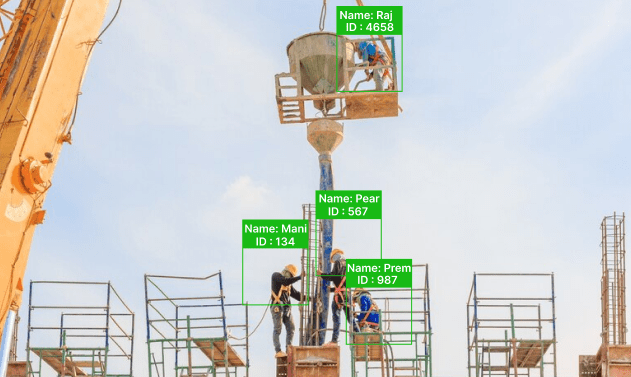
Real-Time Monitoring and Alerts
One of the most significant benefits of AI video analytics software is the ability to monitor construction sites in real-time. AI systems can continuously analyze live video feeds from cameras placed throughout the site. This allows for immediate detection of unsafe behaviors or conditions. For instance, if a worker is seen without proper personal protective equipment (PPE), the system can generate an alert, notifying site managers or supervisors to address the issue promptly. This proactive approach helps prevent accidents before they occur, enhancing overall site safety.
Accident Prevention Through Predictive Analysis
AI video analytics can identify patterns and behaviors that often precede accidents. For example, if the system detects that workers are frequently moving in and out of high-risk zones or engaging in risky maneuvers, it can predict potential hazards and provide early warnings. By analyzing historical data and current conditions, AI can help anticipate dangerous situations, allowing site managers to intervene and implement preventive measures. This predictive capability significantly reduces the likelihood of accidents and injuries on-site.
Compliance Verification and Enforcement
Ensuring compliance with safety regulations and standards is crucial in the construction industry. AI video analytics can automate the process of verifying compliance by continuously monitoring adherence to safety protocols. For instance, the system can check whether workers are wearing helmets, harnesses, or other required safety gear. It can also monitor the proper use of safety barriers and equipment. Automated compliance verification reduces the risk of human error and ensures that safety standards are consistently met.
Enhancing Training Programs
AI video analytics can be a valuable tool for improving training programs. By reviewing recorded footage of incidents or unsafe practices, AI systems can provide detailed feedback and insights for training purposes. This allows trainers to analyze real-life scenarios, identify common mistakes, and develop targeted training materials. Workers can learn from past incidents and better understand safety protocols, leading to improved awareness and adherence to safety practices.
Boosting Productivity on Construction Sites
Workflow Optimization
AI video analytics can optimize construction workflows by identifying inefficiencies and bottlenecks in real-time. By analyzing video footage of construction activities, AI systems can pinpoint areas where processes are slowed down or where resources are underutilized. For example, if the system detects that materials are being moved inefficiently or that workers are frequently waiting for equipment, it can provide recommendations for improving workflow. This optimization helps streamline operations and increases overall site productivity.
Accurate Progress Tracking
Keeping track of project progress is essential for successful project management. AI video analytics can provide accurate and up-to-date progress reports by comparing real-time video footage with project plans. The system can detect deviations from the planned schedule or identify areas where work is falling behind. This allows project managers to address issues promptly, make data-driven decisions, and ensure that the project stays on track.
Efficient Resource Management
Effective management of resources, including equipment and personnel, is crucial for maintaining productivity. AI video analytics can assist in resource management by monitoring equipment usage and personnel activities. For instance, the system can track how often equipment is used, identify periods of inactivity, and optimize scheduling to minimize downtime. Similarly, it can analyze worker productivity and allocate tasks based on individual performance. This data-driven approach helps ensure that resources are utilized efficiently and that there is minimal idle time.
Quality Control and Assurance
Maintaining high construction quality is essential for delivering successful projects. AI video analytics can enhance quality control by inspecting construction work for defects or deviations from design specifications. The system can analyze video footage to detect issues such as misaligned components, structural defects, or inconsistencies with design plans. Early detection of quality issues allows for timely corrections and reduces the need for costly rework. This ensures that the final construction meets the required standards and specifications.
Challenges and Considerations
While AI video analytics offer numerous benefits, there are also challenges to consider. Implementing these systems requires significant investment in hardware, software, and training. Additionally, the effectiveness of AI video analytics depends on the quality of the video footage and the accuracy of the algorithms. Ensuring data privacy and security is also a critical consideration, as construction sites often involve sensitive information.
Future Prospects
The future of AI video analytics in the construction industry looks promising. As technology continues to advance, AI systems will become more sophisticated, providing even greater capabilities for enhancing safety and productivity. Integration with other technologies, such as drones and IoT sensors, will further expand the potential applications of AI video analytics. Continued innovation and development will drive the construction industry towards more efficient and safer practices.
Conclusion
False alarms can create significant challenges on construction sites. However, with the integration of advanced video analytics technology, construction managers can more effectively monitor and manage facilities. By utilizing AI video analytics, construction companies can significantly reduce relevant costs and enhance operational efficiency. Interested in adopting video analytics for your construction business? Nextbrain offers cutting-edge AI video analytics solutions, including comprehensive video surveillance systems tailored for various industries. Contact us to learn more about how our solutions can benefit your business.
 Nextbrain Technologies