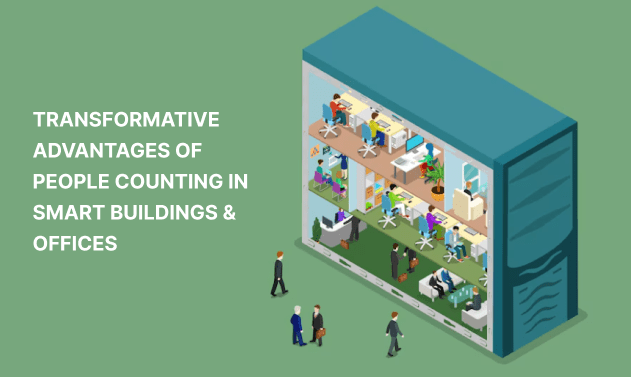
As technology advances, the concept of smart buildings and offices is becoming increasingly prevalent. One of the core components driving this transformation is people counting technology. This technology leverages sensors, cameras, and artificial intelligence (AI) algorithms to track and analyze the number of people in various spaces. The integration of people counting systems offers a multitude of transformative advantages that enhance the functionality, efficiency, and overall experience of smart buildings and offices. In this essay, we will explore these advantages in depth.
Enhanced Space Utilization
Optimized Layouts: One of the primary benefits of people counting technology is the ability to optimize the use of space within a building. By utilizing people counting software to understand patterns of movement and occupancy, facility managers can redesign layouts to maximize efficiency. For example, if certain areas are consistently underutilized, they can be repurposed to better serve the needs of the occupants. Conversely, areas that experience high traffic can be expanded or redesigned to prevent overcrowding.
Flexible Workspace Management: People counting enables flexible workspace management, such as hot-desking. In a hot-desking environment, employees do not have fixed desks but instead use any available workspace. Real-time occupancy data ensures that employees can easily find available desks, leading to a more efficient and adaptable workspace.
Improved Energy Efficiency
Dynamic HVAC Control: Heating, ventilation, and air conditioning (HVAC) systems consume a significant amount of energy in buildings. People counting technology allows for dynamic control of HVAC systems based on real-time occupancy data. When rooms are unoccupied, HVAC systems can be adjusted to reduce energy consumption, resulting in substantial cost savings.
Lighting Automation: Similar to HVAC control, lighting systems can be automated based on occupancy. Lights can be dimmed or turned off in unoccupied areas, reducing energy waste. This not only lowers energy bills but also contributes to a more sustainable building environment.
Enhanced Safety and Security
Occupancy Monitoring: Accurate occupancy data is crucial for ensuring compliance with safety regulations, such as fire codes. People counting technology helps monitor the number of people in different areas of a building, ensuring that occupancy limits are not exceeded and that the building remains safe for all occupants.
Emergency Response: In the event of an emergency, knowing the exact number of people in a building can significantly enhance emergency response efforts. Emergency responders can use occupancy data to determine the most effective evacuation routes and ensure that all individuals are accounted for.
Increased Productivity and Employee Satisfaction
Comfort Optimization: People counting technology helps maintain a comfortable environment by avoiding overcrowding and ensuring appropriate environmental conditions. For instance, HVAC systems can be adjusted to maintain optimal temperatures based on the number of occupants in a room, enhancing comfort and productivity.
Reduced Wait Times: Monitoring queues and crowded areas in real-time can help reduce wait times for shared facilities such as cafeterias, restrooms, and elevators. This leads to a more efficient use of time and increased employee satisfaction.
Data-Driven Decision Making
Utilization Insights: People counting provides valuable data on space utilization patterns, helping businesses make informed decisions about expansions, reductions, or reconfigurations. This data-driven approach ensures that resources are allocated efficiently and that spaces are used effectively.
Predictive Maintenance: By identifying usage trends, people counting technology can help predict when maintenance is needed. For example, restrooms or common areas that see high traffic might require more frequent cleaning or maintenance. Predictive maintenance reduces downtime and improves overall efficiency.
Enhanced Visitor Management
Visitor Tracking: People counting technology allows for better management of visitors by understanding peak visiting times. This ensures that adequate staffing and resources are available to handle visitor traffic efficiently, improving the overall visitor experience.
Personalized Experiences: By anticipating the needs of visitors based on occupancy trends, businesses can provide personalized experiences. For example, if visitor data indicates that certain areas are frequently visited, additional amenities or services can be provided to enhance the visitor experience.
Improved Health and Wellness
Air Quality Management: Maintaining good air quality is crucial for health and productivity. People counting technology enables dynamic ventilation control based on occupancy, ensuring that fresh air is circulated appropriately. This helps maintain a healthy indoor environment, reducing the risk of respiratory issues and improving overall well-being.
Social Distancing Compliance: In the context of health crises like COVID-19, people counting technology plays a vital role in ensuring compliance with social distancing guidelines. By monitoring occupancy levels, businesses can implement measures to prevent overcrowding and maintain safe distances between individuals.
Operational Efficiency
Cleaning Schedules: Cleaning schedules can be optimized based on actual usage rather than fixed times. Areas with higher foot traffic can be cleaned more frequently, ensuring cleanliness without wasting resources. This leads to more efficient use of cleaning staff and supplies.
Resource Allocation: People counting technology ensures that resources such as meeting rooms and workstations are used efficiently. By understanding occupancy patterns, businesses can allocate resources more effectively, reducing waste and improving operational efficiency.
Enhanced User Experience
Customizable Environments: People counting technology allows for the creation of customizable environments. For example, lighting and temperature settings can be automatically adjusted when someone enters a room, creating a personalized and comfortable experience for the user.
Smart Notifications: Employees and visitors can receive notifications about available spaces, avoiding unnecessary searches and ensuring that they can quickly find a suitable workspace. This enhances convenience and improves overall satisfaction.
Cost Savings
Reduced Overhead: Better space utilization and energy efficiency translate to lower operational costs. By optimizing the use of space and resources, businesses can reduce overhead expenses and improve their bottom line.
Scalable Solutions: People counting solutions can be scaled according to the size and needs of the building. This makes them cost-effective for various applications, from small offices to large commercial buildings.
Conclusion
Implementing people counting software in smart buildings and offices can significantly enhance visitor experience, ensure safety, optimize traffic flow, and prevent overcrowding. This technology helps adjust building systems based on occupancy levels. By harnessing data analytics, businesses can elevate visitor experience, improve efficiency, and promote sustainability. Nextbrain, a premier development company, boasts a dedicated team of professionals with extensive expertise in crafting solutions across various industries.
Get in touch with our experts to know more.
 Nextbrain Technologies