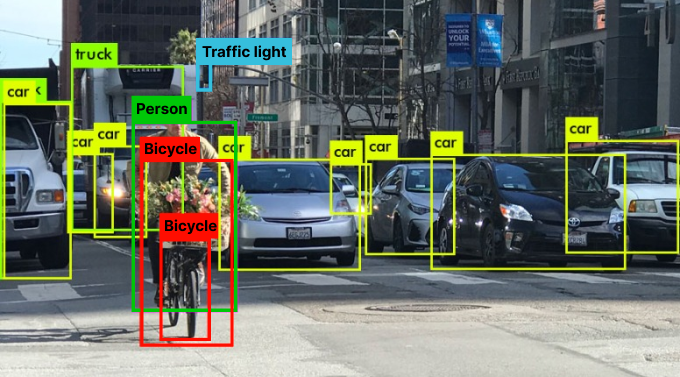
The concept of smart cities is no longer a futuristic vision but an evolving reality, driven by the rapid advancements in technology. At the heart of this transformation is Artificial Intelligence (AI), particularly in the realm of video data analytics. By integrating AI with video surveillance systems, cities can harness the power of data to enhance security, optimize traffic management, improve public services, and create a more efficient urban environment. This article explores the pivotal role AI plays in video data analytics for smart cities, highlighting its applications, benefits, and future prospects.
The Evolution of Smart Cities
Smart cities are urban areas that use different types of electronic methods, sensors, and data to manage assets, resources, and services efficiently. This includes data collected from citizens, devices, and assets, which is then processed and analyzed to monitor and manage traffic, transportation systems, power plants, water supply networks, waste management, crime detection, and other community services.
In recent years, AI video analytics for smart cities has emerged as a crucial component of this transformation. Traditional video surveillance systems have long been a part of urban infrastructure, but the integration of AI has revolutionized how these systems function and contribute to smart city initiatives. By leveraging AI video analytics, smart cities can gain deeper insights from video data, enabling more effective monitoring and management of urban environments.
The Role of AI in Video Data Analytics
AI-driven video data analytics refers to the use of machine learning algorithms, deep learning models, and computer vision to analyze video footage in real-time or retrospectively. Unlike traditional video surveillance, which relies on human operators to monitor live feeds and detect incidents, AI enables automated analysis of video data, identifying patterns, detecting anomalies, and providing actionable insights.
1. Enhancing Public Safety and Security
One of the most significant applications of AI in video data analytics is in enhancing public safety and security. AI algorithms can analyze video feeds from multiple cameras across a city to detect unusual activities or behaviors, such as loitering, unauthorized access, or suspicious objects. These systems can also identify individuals involved in criminal activities through facial recognition, even in crowded environments.
For instance, AI-powered surveillance cameras can alert law enforcement to potential threats, enabling a quicker response to incidents such as thefts, assaults, or vandalism. This proactive approach not only helps in preventing crimes but also ensures that citizens feel safer in their urban environments.
2. Traffic Management and Accident Prevention
Traffic congestion is a common problem in urban areas, leading to delays, increased pollution, and accidents. AI video analytics software can play a crucial role in managing traffic flow by analyzing real-time video data from traffic cameras. AI systems can detect traffic jams, accidents, or violations such as running red lights or illegal parking. They can also predict traffic patterns based on historical data and suggest optimal routes for drivers, thereby reducing congestion.
In addition, AI can be used to monitor pedestrian crossings, ensuring that vehicles stop when necessary and reducing the likelihood of accidents. By integrating AI with smart traffic lights, cities can dynamically adjust signal timings based on the current traffic conditions, improving the overall efficiency of the transportation system.
3. Optimizing Public Services
AI in video data analytics can also be used to optimize various public services, such as waste management, energy distribution, and emergency response. For example, AI can analyze video footage to determine the volume of waste in public bins and schedule pickups when necessary, reducing the frequency of collections and lowering operational costs.
In the case of energy distribution, AI can monitor the usage patterns captured on video to identify areas of high energy consumption and suggest measures to optimize energy use. Similarly, during emergencies such as natural disasters, AI can analyze video feeds to assess damage, identify affected areas, and prioritize rescue operations, ensuring that resources are deployed where they are needed most.
4. Enhancing Environmental Monitoring
Environmental sustainability is a key focus of smart cities, and AI video analytics can contribute significantly to this goal. AI systems can analyze video data from surveillance cameras to monitor air and water quality, detect illegal dumping of waste, or track wildlife activity in urban areas. This data can then be used to implement measures that protect the environment and ensure the sustainable development of the city.
For instance, AI-powered drones equipped with cameras can be deployed to monitor remote or inaccessible areas, providing real-time data on environmental conditions. This information can help city planners and environmental agencies to make informed decisions about land use, pollution control, and conservation efforts.
5. Supporting Urban Planning and Development
Urban planning is a complex process that requires accurate data on population density, traffic patterns, and land use. AI video analytics software can provide valuable insights into these areas by analyzing video footage from different parts of the city. For example, AI can track the movement of people and vehicles, identify trends in population growth, and monitor the development of new infrastructure projects.
This data can be used by city planners to design more efficient public spaces, optimize transportation networks, and ensure that new developments are aligned with the city’s overall growth strategy. By providing real-time insights, AI can also help planners to quickly adapt to changing conditions, such as sudden increases in population or unexpected traffic patterns.
Future Prospects and Challenges
As smart cities continue to evolve, the role of AI in video data analytics will become even more critical. Advances in AI technology, such as improved machine learning models and more sophisticated computer vision algorithms, will enable even more accurate and efficient analysis of video data. However, there are also challenges to overcome, including concerns about privacy, data security, and the ethical use of AI.
To address these challenges, cities will need to implement robust data protection measures, ensure transparency in the use of AI systems, and engage with citizens to build trust. Additionally, the integration of AI into urban infrastructure will require significant investments in technology and training, as well as collaboration between public and private sectors.
Conclusion
With each passing time, smart cities are continuously evolving. Right from optimizing congestion flow to revolutionizing retail strategies, Footfall analytics powered by AI has major functionalities. As the leading video analytics software development company, Nextbrain harnesses the power of footfall analytics to unveil new levels of sustainability. AI-powered data analytics have empowered organizations with improved decision-making and real-time control. Data analytics from servers to cameras diminishes infrastructure and data volume transferred.
 Nextbrain Technologies