The mining industry is renowned for its hazardous working conditions, with risks such as cave-ins, explosions, toxic exposure, and equipment failures being prevalent. As mining companies strive to enhance safety standards, the integration of advanced technologies, particularly Computer Vision AI, is emerging as a game-changer. By harnessing the power of AI-driven computer vision systems, the mining sector can significantly mitigate accidents, refine safety protocols, and boost operational efficiency. This article delves into how Computer Vision AI is revolutionizing safety within the mining industry.
What is Computer Vision AI?
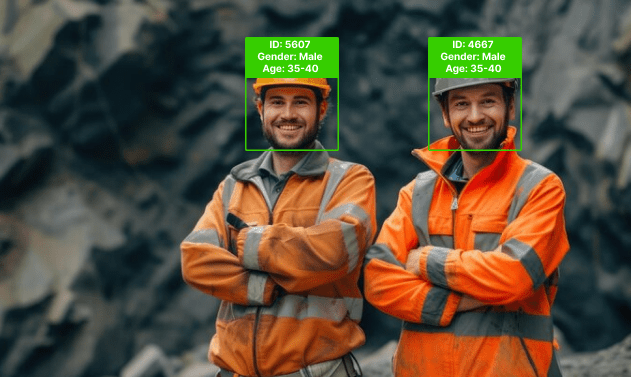
Computer Vision AI involves using machine learning algorithms and neural networks to enable computers to interpret and make decisions based on visual data. In mining, this technology is employed to analyze real-time footage captured by cameras placed in mines, processing plants, and on vehicles. This analysis helps in detecting potential hazards, monitoring worker behavior, and ensuring adherence to safety regulations.
Boosting Operational Efficiency
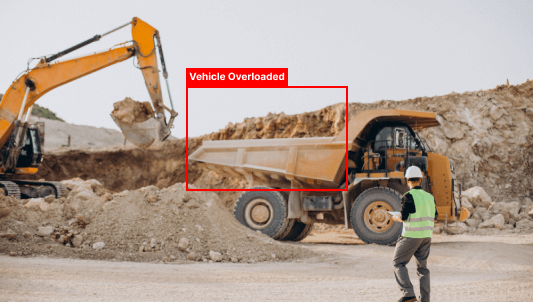
While enhancing safety is a primary concern, Computer Vision AI also plays a crucial role in optimizing operational efficiency. By automating the monitoring of mining activities, AI systems can pinpoint inefficiencies and streamline processes. For instance, AI can oversee the loading and unloading of materials, ensuring that trucks and conveyors operate efficiently without overloading, which could lead to accidents.
Computer Vision AI for mining safety extends its benefits beyond just risk mitigation. It aids in identifying operational bottlenecks and improving process flows. AI systems can track worker movements and behaviors, spotting patterns that may indicate fatigue or distraction—common causes of accidents in mining. By addressing these issues, mining companies can create a safer and more productive work environment, demonstrating the dual advantage of AI in enhancing both safety and efficiency.
Autonomous Mining Vehicles
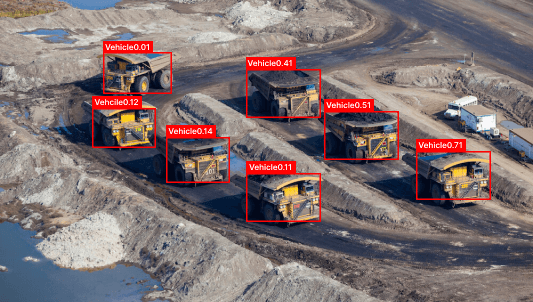
The introduction of autonomous vehicles has greatly reduced the risk of accidents involving heavy machinery in mining. Computer Vision AI is integral to these autonomous systems, enabling vehicles to navigate complex mining environments safely. By processing visual data from multiple cameras and sensors, these vehicles can detect obstacles, avoid collisions, and follow optimal paths, reducing the risk of human error.
Autonomous mining vehicles equipped with Computer Vision AI are not only safer but also more efficient, operating continuously without the need for breaks.
Emergency Response and Incident Analysis
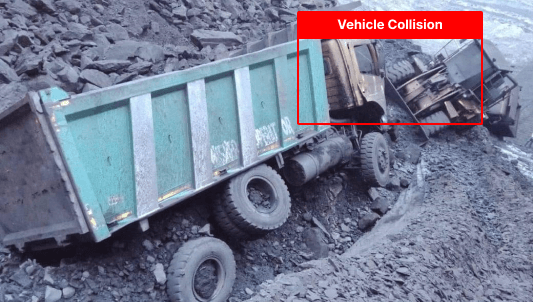
In the event of an accident, Computer Vision AI can be instrumental in emergency response and incident analysis. AI-powered cameras provide real-time footage of the incident, assisting emergency teams in assessing the situation and responding promptly.
Moreover, AI systems analyze footage before, during, and after incidents to identify root causes and provide insights into preventing similar accidents in the future. This data-driven approach helps mining companies continually refine their safety protocols and reduce the likelihood of future incidents.
Real-Time Hazard Detection
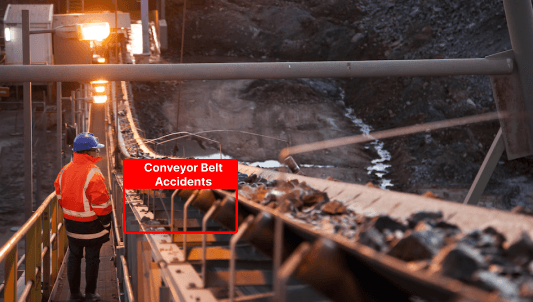
One of the standout advantages of Computer Vision AI in mining is its ability to detect hazards in real-time. Given the dynamic nature of mining environments, AI-powered systems continuously monitor conditions to identify signs of structural instability, hazardous gases, or unsafe equipment usage.
For instance, AI systems can detect cracks in mine walls or ceilings, providing early warnings before collapses occur. They can also monitor gas levels, raising alarms if toxic gases like methane or carbon monoxide reach dangerous levels. By offering real-time alerts, Computer Vision AI helps prevent accidents that could lead to injuries or fatalities.
Enhancing Worker Safety with PPE Monitoring
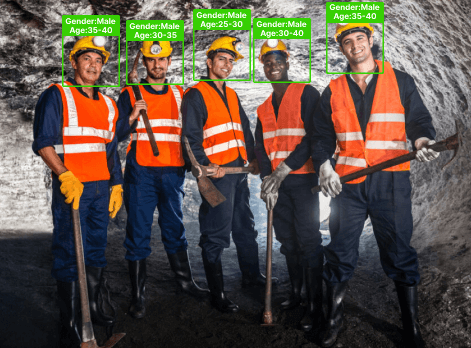
Personal Protective Equipment (PPE) is essential for worker safety in hazardous mining environments. Ensuring that all workers consistently wear and correctly use their PPE can be challenging. Computer Vision AI systems address this by monitoring workers as they enter and operate in mines, automatically checking for compliance with PPE requirements.
These systems can detect whether a worker is wearing necessary gear such as helmets, safety glasses, and gloves. If a worker is found without the required PPE, the system can immediately alert supervisors or halt operations until the issue is resolved. This automated monitoring not only improves worker safety but also ensures strict adherence to safety protocols.
Equipment Monitoring and Maintenance
Mining operations depend heavily on machinery and equipment, and failures can have severe consequences. Computer Vision AI is critical for real-time monitoring of equipment conditions. By analyzing visual data from cameras and sensors, AI systems can detect signs of wear and tear, overheating, or other issues that could lead to equipment failures.
For example, AI can assess the condition of conveyor belts, identifying frayed edges or misalignments that might cause breakdowns. It can also monitor drilling equipment for excessive vibration or abnormal movements, signaling potential malfunctions. Early detection of these issues enables predictive maintenance, reducing the risk of equipment failure and associated accidents.
Challenges and Considerations
Despite the significant benefits, implementing Computer Vision AI in mining comes with challenges. The harsh conditions in mines—such as low light, dust, and vibrations—can impact the accuracy of AI systems. Ensuring that AI algorithms are trained to handle these conditions is essential for reliable performance.
Moreover, integrating AI technology requires substantial investment in infrastructure and technology. Mining companies must balance these costs with the potential safety and efficiency gains.
The rise of AI also raises concerns about job displacement. While AI enhances safety and efficiency, it may reduce the need for certain manual roles. Addressing these concerns involves retraining workers and creating new opportunities within the industry.
The Future of Mining with Computer Vision AI
As technology advances, the role of Computer Vision AI in mining is poised to expand. Future developments may include more advanced AI algorithms capable of predicting and preventing accidents with even greater accuracy. The integration of AI with technologies like the Internet of Things (IoT) and big data analytics will further enhance monitoring and management of mining operations.
The adoption of Computer Vision AI marks a significant step forward in improving safety standards in mining. By leveraging AI, mining companies can create safer work environments, protect their workers, and enhance operational efficiency, paving the way for a more sustainable and responsible industry.
Conclusion
Computer Vision AI is transforming the mining industry by enhancing safety measures and reducing accident risks. From real-time hazard detection and PPE monitoring to equipment maintenance and autonomous vehicles, AI is helping mining companies achieve safer and more efficient operations. The incorporation of AI video analytics software further amplifies the effectiveness of these safety measures, ensuring continuous monitoring and real-time responses to potential hazards. While challenges remain, the potential benefits of AI in mining are substantial, promising a safer and more sustainable future for this critical industry.
 Nextbrain Technologies