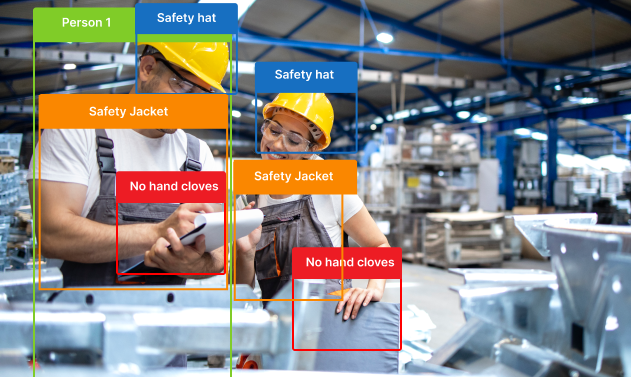
In the fast-paced world of automotive parts manufacturing, ensuring safety and compliance with Personal Protective Equipment (PPE) regulations is paramount. With the increase in workplace safety standards and the potential for significant liabilities from non-compliance, manufacturers are turning to advanced technologies like computer vision AI to bolster their safety protocols. This article explores how computer vision AI enhances PPE detection in automotive parts manufacturing, ultimately improving safety, efficiency, and productivity.
Understanding the Importance of PPE in Automotive Manufacturing
Personal Protective Equipment (PPE) encompasses a variety of gear designed to protect workers from hazards that can cause injury or illness. In automotive parts manufacturing, where heavy machinery, toxic substances, and potential hazards abound, PPE is not just a regulatory requirement but a vital component of workplace safety. Common forms of PPE in this environment include helmets, gloves, goggles, ear protection, and safety footwear.
Ensuring that all workers are appropriately equipped with the necessary PPE can reduce workplace accidents, enhance employee morale, and minimize downtime due to injuries. However, manually monitoring compliance can be challenging, especially in large manufacturing facilities where numerous workers are present simultaneously.
The Role of Computer Vision AI in PPE Detection
Computer vision AI leverages advanced algorithms and machine learning techniques to analyze visual data from cameras in real-time. By deploying these systems in automotive manufacturing environments, organizations can automate the monitoring of PPE compliance among employees. Here’s how computer vision AI proves beneficial in this context:
1. Real-Time Monitoring and Alerts
One of the most significant advantages of computer vision AI is its ability to provide real-time monitoring of workers’ PPE compliance. By utilizing strategically placed cameras throughout the manufacturing facility, AI algorithms can detect whether workers are wearing the required PPE. With the integration of AI Video analytics software, the system can immediately analyze video feeds to ensure compliance. If a worker is identified without the necessary equipment, the system can alert supervisors via notifications or alarms. This proactive approach ensures that safety violations are addressed promptly, reducing the risk of accidents.
2. Data-Driven Insights
Computer vision AI systems can collect and analyze vast amounts of data over time, providing valuable insights into PPE compliance trends. By tracking compliance levels across different shifts, departments, and times of day, manufacturers can identify patterns or areas where non-compliance is more frequent. This data can inform training programs, helping to target specific issues and reinforce safety protocols among workers.
3. Improving Training and Awareness
The integration of computer vision AI in PPE monitoring can also enhance training programs. By analyzing data on compliance trends, manufacturers can develop targeted training sessions that address common shortcomings. For example, if the system identifies that workers in a specific area consistently forget to wear safety goggles, tailored training can be implemented to reinforce the importance of this protective measure. Additionally, visual feedback from the AI system can be used in training sessions to demonstrate the correct use of PPE.
4. Reducing Human Error
Manual PPE compliance checks are prone to human error. Supervisors may overlook violations, especially in busy environments where they need to manage multiple tasks simultaneously. Computer vision AI mitigates this risk by providing an objective, consistent monitoring solution that operates without fatigue. This reliability reduces the likelihood of accidents stemming from oversight and ensures a safer working environment.
5. Streamlining Compliance Reporting
In many manufacturing sectors, maintaining records of PPE compliance is crucial for regulatory purposes. Computer vision AI can automate this reporting process by generating comprehensive compliance reports based on real-time data. These reports can include metrics such as the percentage of workers wearing PPE at any given time, compliance trends, and incident reports related to PPE violations. This streamlined approach simplifies regulatory compliance and provides a clear audit trail.
6. Integrating with Existing Systems
Many automotive parts manufacturers already use various digital tools and systems for operations management. Computer vision AI can be seamlessly integrated with existing software platforms, enhancing overall operational efficiency. For instance, AI-powered PPE detection systems can interface with workforce management tools to monitor compliance alongside employee attendance and productivity metrics. This integration enables manufacturers to develop a holistic view of their operations, optimizing both safety and efficiency.
7. Enhancing Worker Accountability
The presence of computer vision AI systems can foster a culture of accountability among workers. Knowing that their compliance with PPE regulations is being monitored can encourage employees to take personal responsibility for their safety and that of their colleagues. This cultural shift can lead to a more engaged workforce that prioritizes safety, thereby reducing the likelihood of injuries and accidents.
8. Cost-Effectiveness and ROI
Implementing computer vision AI for PPE detection can initially require an investment in technology and infrastructure. However, the long-term benefits often outweigh these costs. By reducing workplace accidents, minimizing downtime, and improving compliance, manufacturers can achieve a substantial return on investment (ROI). Additionally, fewer accidents lead to lower insurance premiums and reduced liability costs, further enhancing financial benefits.
Challenges and Considerations
While the benefits of computer vision AI in PPE detection are significant, manufacturers must also consider potential challenges:
- Implementation Costs: Initial setup costs for cameras, software, and infrastructure can be high. Manufacturers must weigh these costs against potential savings.
- Privacy Concerns: Monitoring employees through cameras raises privacy concerns. Clear policies and communication about the purpose of monitoring are essential to address these issues.
- Technological Limitations: While AI technology is advancing rapidly, it is not infallible. Manufacturers should be aware of the potential for false positives or negatives in compliance detection.
Conclusion
Incorporating computer vision AI for PPE detection in automotive parts manufacturing offers a transformative solution to enhance workplace safety and compliance. By leveraging real-time monitoring, data-driven insights, and automation, manufacturers can significantly reduce the risk of workplace injuries and foster a culture of safety. While challenges exist, the long-term benefits—ranging from improved safety and reduced costs to enhanced employee morale—make computer vision AI a powerful ally in the quest for safer manufacturing environments. As technology continues to evolve, its role in ensuring PPE compliance will likely become even more critical, solidifying its place as a cornerstone of modern manufacturing practices.
 Nextbrain Technologies