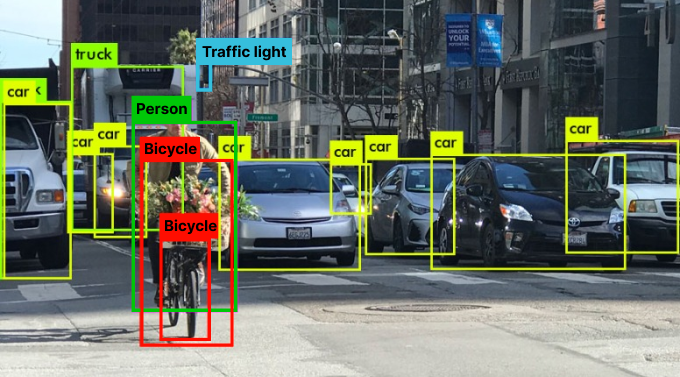
The concept of a smart city is rapidly evolving, blending urban management with the power of technology to enhance the quality of life for residents, improve efficiency, and optimize resources. One of the most impactful innovations driving smart cities is the integration of AI video analytics. With the exponential increase in video data generated by surveillance cameras, sensors, and other IoT devices in urban environments, AI-powered video analytics is revolutionizing how cities function and how citizens experience daily life.
This article delves into the role of AI in video data analytics for smart cities, focusing on its applications, benefits, and future possibilities.
What is AI Video Analytics?
AI video analytics involves using artificial intelligence algorithms to analyze video footage in real-time or post-processing to extract valuable insights. It employs machine learning (ML) and computer vision technologies to detect patterns, identify objects, and interpret activities without requiring human intervention. This technology can process vast amounts of data collected from various sources, such as CCTV cameras, traffic monitoring systems, and public safety devices.
In the context of smart cities, AI video analytics enhances public safety, optimizes traffic management, enables smarter resource allocation, and supports urban planning, making it a crucial component in the development of intelligent urban ecosystems.
Key Applications of AI Video Analytics in Smart Cities
1. Enhanced Public Safety and Security
One of the most significant advantages of AI video analytics in smart cities is its ability to improve public safety. With cities becoming more densely populated, ensuring the safety of citizens is a top priority. AI-powered video surveillance systems can monitor large areas and detect suspicious behaviors or incidents, such as thefts, vandalism, or accidents, in real-time.
- Real-Time Incident Detection: AI can detect events like fights, loitering, or the presence of unattended bags and alert authorities immediately. This leads to faster response times and more effective interventions.
- Crowd Monitoring: AI can also track crowd sizes, ensuring that gatherings do not exceed safe limits, which is crucial for events, protests, or public gatherings.
- License Plate Recognition (LPR): AI-based LPR systems can automatically recognize vehicle plates, assisting in identifying stolen cars or locating wanted vehicles.
2. Traffic and Transportation Management
Urban transportation systems often struggle with congestion, inefficiencies, and safety risks. AI video analytics plays a pivotal role in transforming traffic management and optimizing transportation.
- Traffic Flow Monitoring: AI can analyze video feeds from traffic cameras to assess real-time traffic flow. By identifying congestion patterns and bottlenecks, AI can help in rerouting traffic to alleviate congestion, reduce travel times, and improve overall traffic efficiency.
- Smart Traffic Lights: AI video analytics can dynamically adjust traffic light timings based on real-time traffic conditions, minimizing delays and improving traffic movement.
- Accident Detection: AI-powered systems can quickly identify accidents or traffic incidents by analyzing video footage. Alerts can be sent to emergency responders, significantly reducing response times and potentially saving lives.
3. Smart Infrastructure and Maintenance
Smart cities rely on data-driven insights to manage infrastructure efficiently. AI video analytics can provide valuable information to improve urban infrastructure and ensure timely maintenance.
- Infrastructure Health Monitoring: AI can monitor the condition of roads, bridges, and public spaces using video analytics. For instance, AI can detect cracks, wear, or damage to roads by analyzing footage from surveillance cameras or drones, enabling early maintenance interventions.
- Waste Management: AI-powered video analytics can track waste levels in public bins and dumpsters. This data can optimize waste collection routes and schedules, improving the efficiency of waste management services and reducing environmental impact.
4. Urban Planning and Development
AI video analytics contributes significantly to urban planning by providing real-time data on how citizens interact with public spaces. This can help urban planners design spaces that are more accessible, efficient, and tailored to the needs of the community.
- Footfall Analysis: AI can track pedestrian movement in public spaces like parks, shopping districts, or transport stations. This helps identify popular locations and peak times, enabling better design and planning decisions to accommodate foot traffic and reduce overcrowding.
- Building Usage Patterns: AI video analytics can assess the use of public buildings and facilities. For example, it can help determine how often public libraries, community centers, or public transport stations are being used, providing valuable data for optimizing facility maintenance and scheduling.
5. Environmental Monitoring and Sustainability
Smart cities are committed to becoming more sustainable and environmentally friendly. AI video analytics aids in environmental monitoring, helping cities monitor air quality, noise pollution, and overall sustainability.
- Air Quality Monitoring: AI can integrate video feeds from air quality monitoring devices, analyzing pollution levels and their impact on specific areas of the city. By correlating this data with weather patterns and traffic conditions, AI can provide actionable insights for better air quality management.
- Green Space Management: Video analytics can monitor the health of urban green spaces, parks, and trees. By analyzing video data, AI can detect when these areas need maintenance, irrigation, or pest control.
6. Public Health Monitoring
In the wake of global health challenges like the COVID-19 pandemic, AI video analytics has proven essential in monitoring public health and enforcing health protocols in smart cities.
- Social Distancing and Mask Compliance: AI-powered cameras can monitor social distancing measures and mask compliance in public spaces. If violations are detected, alerts can be sent to authorities or individuals to take corrective action.
- Temperature Screening: In hospitals, airports, and public buildings, AI-based thermal cameras can quickly detect individuals with elevated body temperatures, assisting in early identification of potential health risks.
Benefits of AI Video Analytics in Smart Cities
- Increased Efficiency: By automating the analysis of video data, AI reduces the need for manual monitoring and intervention, saving time and human resources.
- Real-Time Decision Making: AI enables real-time responses to incidents, making it easier to address issues like traffic congestion, accidents, or safety threats promptly.
- Cost Savings: With AI handling many monitoring and analysis tasks, cities can allocate resources more efficiently, leading to cost savings in various sectors like traffic management, security, and infrastructure maintenance.
- Improved Quality of Life: The integration of AI video analytics leads to smarter, safer, and more sustainable urban environments, ultimately enhancing the quality of life for residents.
Challenges and Future of AI in Smart Cities
While AI video analytics presents many benefits, there are challenges that must be addressed to fully harness its potential in smart cities.
- Privacy Concerns: The extensive use of surveillance cameras in public spaces raises concerns about privacy. Ensuring that AI video analytics is used responsibly and in compliance with privacy laws is crucial.
- Data Security: The massive amounts of data generated by AI systems require robust security measures to prevent data breaches or misuse.
- Integration and Interoperability: For AI video analytics to function optimally in a smart city, it needs to seamlessly integrate with existing infrastructure, including sensors, IoT devices, and urban management systems.
The future of AI video analytics in smart cities is bright, with advancements in deep learning and edge computing promising even more sophisticated and efficient systems. As technology continues to evolve, AI video analytics will play an even more integral role in creating smarter, safer, and more sustainable cities.
Conclusion
AI video analytics software is transforming smart cities by providing real-time insights into public safety, traffic management, urban planning, environmental monitoring, and more. Its ability to process vast amounts of video data efficiently makes it a cornerstone in the development of intelligent urban ecosystems. By embracing AI video analytics, cities can become safer, more efficient, and more responsive to the needs of their residents, ultimately improving the quality of life for all. As AI technology continues to evolve, its role in shaping the future of smart cities will only grow, driving further innovations in urban management.
 Nextbrain Technologies