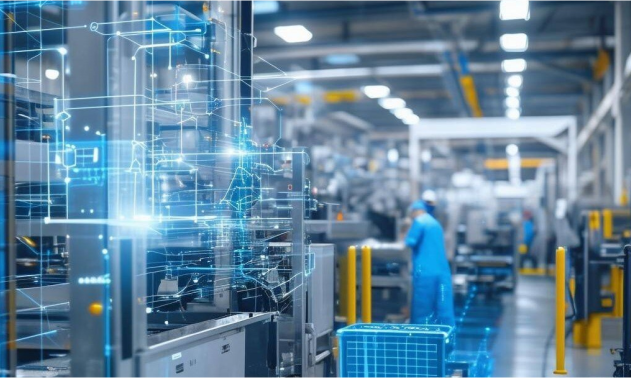
The industrial sector has been at the forefront of technological innovation, from the early days of mechanization to the current age of digital transformation. Emerging technologies are now driving the industry revolution, and one of the most influential among them is generative AI. With the rise of automation, generative AI is replacing traditional manufacturing challenges, such as supply chain disruptions, with streamlined solutions that boost productivity and customer service. In smart manufacturing, generative AI leverages real-time data from sensors and other data streams to enhance processes, driving both innovation and efficiency.
According to the 9th Annual State of Smart Manufacturing Research Report by Rockwell Automation, generative AI is set to remain a top priority for manufacturers in the coming year. In this blog, we will explore how generative AI is reshaping the manufacturing landscape and the key advantages it brings to smart manufacturing companies.
The Importance of Generative AI in Smart Manufacturing
Generative AI is revolutionizing industrial operations by optimizing production processes and enhancing overall efficiency. By using real-time data from interconnected devices, generative AI can automate workflows, accelerate decision-making, and minimize downtime. This innovation enables engineers to explore design options through natural language before refining them with conventional tools, streamlining the design and development cycle.
What is the Scope of Generative AI in Manufacturing?
Generative AI in the manufacturing sector is empowered to create results based on insights and patterns derived from vast data sets. Its applications across the manufacturing domain are creating unprecedented opportunities for efficiency, innovation, and cost reduction. From optimizing production schedules to enhancing product designs, generative AI is at the forefront of transforming manufacturing processes. Let’s explore some of the key applications of generative AI in manufacturing, where its potential is proving to be a game-changer.
1. Process Optimization
Generative AI can optimize manufacturing processes by suggesting production schedules, machine settings, and resource allocation strategies. This results in improved efficiency and productivity across production lines.
2. Product Design & Development
Generative AI is capable of creating and modifying product designs based on performance requirements and manufacturing constraints. By accelerating the design process, it helps manufacturers generate unique and optimized solutions quickly.
3. Quality Control
Generative AI is becoming increasingly important in quality control by creating predictive models that can detect defects in real-time. This reduces the time and costs associated with traditional quality control processes, ensuring superior product quality.
4. Predictive Maintenance
Generative AI can predict potential equipment failures and maintenance needs by analyzing real-time data from sensors and maintenance logs. This proactive approach helps minimize downtime and ensures that machines are running at peak efficiency.
5. Supply Chain Management
Generative AI can significantly enhance supply chain operations by optimizing inventory management, forecasting demand, and assessing risks. It enables manufacturers to navigate complex global supply chains more effectively.
6. Real-time Problem Solving with AI
Manufacturing facilities often face challenges such as lack of real-time visibility and equipment malfunctions. Generative AI, by leveraging real-time data, can identify patterns and irregularities, helping to implement immediate corrective actions, including predictive maintenance solutions.
7. Continuous Improvement
Generative AI encourages continuous learning by generating insights based on real-time feedback. This capability allows manufacturers to stay ahead of industry standards and adapt to evolving demands.
How is Generative AI Effective in Manufacturing and Related Business?
Smart factories can significantly reduce overall organizational expenses ensuring that the right products are available at the right time in the market. If you are looking for the right AI development company, then you should be going through the major criteria that make the company right for your project. As of the frontline, manufacturing companies should prioritize investments in Generative AI services to stay ahead of the curve.
1. Strategic Decision-Making
Generative AI analyzes large datasets quickly and provides actionable insights that empower manufacturers to make informed decisions about their operations, from production to resource allocation.
2. Resource Optimization
Generative AI is transforming resource management in manufacturing by identifying areas where resources can be optimized, reducing waste, and cutting costs. By utilizing advanced algorithms, generative AI provides a holistic view of resource utilization, helping streamline operations.
3. Advanced Efficiency
Generative AI supports numerous aspects of manufacturing, from workflow optimization and design ideation to supply chain management and quality control. By automating key processes, it boosts product development and enhances operational efficiency.
Probable Use Cases of Generative AI in Manufacturing
Generative AI relies on advanced technologies like Generative Adversarial Networks (GANs) to create new designs by learning from patterns within large datasets. In the automotive industry, for example, GANs are used to generate car designs based on consumer preferences. Here are some potential use cases for generative AI in manufacturing:
1. Computer Vision
Computer vision powered by generative AI is revolutionizing quality control. By detecting flaws during production, it helps manufacturers minimize defects without human intervention, ensuring consistent quality.
2. Scalable Solutions for Smart Manufacturing
As manufacturing processes become more complex, the need for scalable AI solutions grows. Generative AI can provide a comprehensive solution for seamlessly deploying AI across various manufacturing use cases, enabling smart factories to adapt to changing demands.
Final Thoughts
Generative AI is a transformative force in the manufacturing sector, enabling manufacturers to streamline processes, enhance product development, and optimize supply chain operations. By generating innovative insights and fostering continuous improvement, generative AI unlocks new possibilities for value creation in smart manufacturing. As manufacturers continue to embrace these technologies, prioritizing investments in generative AI services will be key to staying ahead of the competition and adapting to an ever-evolving business environment.
To learn more about the potential of generative AI and how it can advance the efficiency of manufacturing operations, explore our AI-driven manufacturing data analytics solutions.
 Nextbrain Technologies