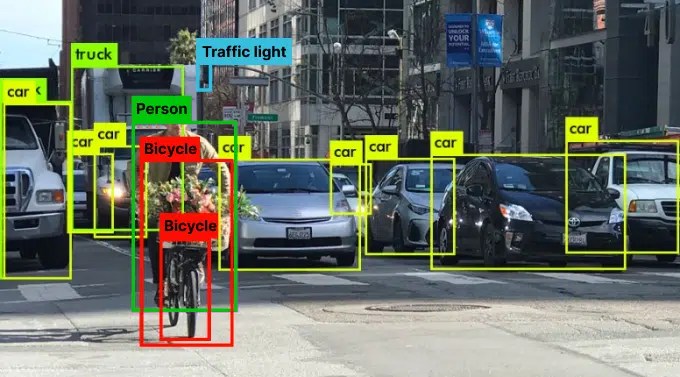
As the world undergoes a massive digital transformation, cities too are embracing the revolution. The rise of smart cities is a testament to the power of technology in reshaping urban living, enhancing public services, and improving the overall quality of life for residents. One of the most impactful technological advancements driving this transformation is AI-powered data analytics. By embedding artificial intelligence into the urban fabric, smart cities are becoming more responsive, efficient, and secure.
Among the many applications of AI in smart cities, footfall analytics and people counting software stand out as game-changers. These technologies, powered by advanced video analytics, are instrumental in understanding human movement, managing urban spaces, and optimizing resource allocation. At Nextbrain, we specialize in designing and developing cutting-edge AI video analytics software that redefines how data is leveraged in smart cities.
Leveraging People Counting Sensors for Actionable Urban Insights
In the context of urban planning and management, knowing how people move within a city is invaluable. People counting software, supported by intelligent sensors and AI algorithms, plays a crucial role in monitoring foot traffic across different zones—such as transit hubs, shopping areas, public parks, and administrative buildings.
By collecting accurate data on pedestrian movement, city planners gain deep insights into congestion points, crowd patterns, and peak usage hours. This empowers governments and local bodies to make data-driven decisions that improve public safety, mobility, and infrastructure utilization. Whether it’s optimizing the flow of pedestrians or evaluating the success of public events, people counting technology ensures smart cities remain agile and responsive to changing dynamics.
Unlocking the Potential of Footfall Analytics
Footfall analytics has emerged as a key tool in understanding visitor behavior and movement across public spaces. Through the strategic placement of AI-powered cameras and sensors, city administrators can analyze patterns in visitor frequency, demographic distribution, popular routes, and even the duration of visits.
This wealth of data facilitates smarter decision-making across various domains—from retail strategy optimization to transport planning. For instance, analyzing footfall patterns can help retail businesses align their marketing campaigns with customer behavior, while city officials can use the same data to enhance public transportation routes or improve pedestrian walkways.
At Nextbrain, we build robust footfall analytics solutions that offer a comprehensive understanding of real-time urban dynamics—contributing to smarter resource deployment and better citizen experiences.
Enhancing Urban Security Through AI Video Analytics
Security has always been a fundamental pillar of smart city planning. Modern AI video analytics software has evolved to do much more than just record footage—it actively interprets video data in real time. Through features like facial recognition, object detection, and behavioral analysis, AI-powered surveillance systems can preemptively identify potential threats and respond to emergencies faster than traditional methods.
Smart video analytics can detect abnormal behavior, track suspicious activity, and alert authorities in real time. In addition to enhancing public safety, this technology supports crime prevention, aids in post-incident investigations, and helps in monitoring large crowds during public events.
Furthermore, these systems can detect smoke or fire early, automatically trigger alerts, and dispatch emergency response teams—potentially saving lives and minimizing property damage. At Nextbrain, our expertise in smart surveillance software development empowers cities to adopt more intelligent and proactive safety mechanisms.
Revolutionizing Traffic and Parking Management
Managing urban traffic remains one of the biggest challenges in today’s growing cities. Traffic congestion not only affects productivity but also leads to increased pollution and stress levels. AI-based smart traffic monitoring systems use real-time video feeds to analyze vehicle flow, detect bottlenecks, and even predict traffic jams before they happen.
AI video analytics for smart cities plays a critical role in regulating traffic lights, enforcing digital speed limits, and minimizing wait times at intersections. Automated data from surveillance cameras can be used to reroute traffic during peak hours or emergencies.
Similarly, smart parking management systems utilize video analytics and IoT sensors to detect available parking spaces, reduce search time, and streamline entry/exit processes. This reduces overall congestion and improves the efficiency of urban transportation systems.
Intelligent Queue Management and Public Mobility
Public services—such as transportation, healthcare, and government offices—often struggle with crowd management. Video surveillance systems equipped with AI can ease the burden by facilitating efficient queue management. By analyzing live foot traffic data, these systems can predict peak hours, manage waiting lines, and improve the layout of service areas like cycle paths and bus stops.
This results in a smoother flow of people and better customer experiences in public institutions. Moreover, these insights help in maintaining regulatory compliance and ensuring social distancing during health emergencies like pandemics.
Smarter Buildings and Occupancy Monitoring
The next wave of smart city innovation lies in smart building management. Using AI and video analytics, cities can monitor building occupancy, generate heat maps of crowd movement, and detect threshold breaches in real time. These insights not only enhance operational efficiency but also support energy conservation, safety compliance, and better space utilization.
Video data collected from surveillance systems can be analyzed to generate actionable insights such as identifying underutilized areas or scheduling cleaning and maintenance based on usage.
Real-Time Behavioral Analysis and Access Control
AI has empowered surveillance systems to understand human behavior with incredible precision. Behavioral analysis in public spaces can detect anomalies—such as loitering, aggression, or erratic movements—that may indicate criminal activity or public disturbances. When such behavior is identified, the system can instantly trigger alerts to law enforcement or emergency responders.
Additionally, AI-driven facial recognition can be used for access control, ensuring that only authorized individuals enter restricted zones. These technologies are vital in maintaining safety across schools, corporate campuses, transportation hubs, and government buildings.
The Future of AI-Powered Surveillance in Urban Spaces
As surveillance technology continues to advance, its role in smart cities is becoming more diverse. Beyond security, modern surveillance contributes to citizen comfort, environmental monitoring, and urban planning. Cameras are now integrated with data analytics tools that help decision-makers gain a real-time understanding of city operations.
With the right infrastructure, smart cameras can serve as the backbone for a connected and responsive city—driving sustainability, efficiency, and innovation across sectors.
Conclusion
Smart cities are no longer a futuristic vision—they are becoming a reality, driven by powerful AI technologies like footfall analytics, people counting software, and AI video analytics for smart cities. These technologies are revolutionizing how cities function, from traffic control and safety management to infrastructure planning and public service delivery.
At Nextbrain, we are proud to be at the forefront of this transformation, delivering intelligent AI video analytics software solutions tailored to the evolving needs of smart urban environments. With the power of real-time data, smart surveillance, and AI-driven insights, cities can unlock new levels of performance, sustainability, and quality of life for their citizens.
 Nextbrain Technologies