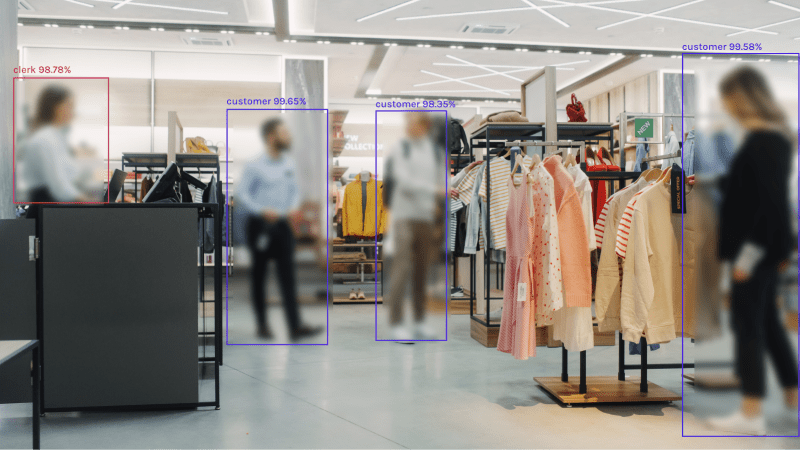
In today’s data-driven world, the retail industry is undergoing a transformation fueled by artificial intelligence (AI). Among the most powerful tools in this transformation is AI video analytics software, which offers retailers deep, actionable insights by analyzing surveillance video in real time. From understanding footfall to tracking customer dwell time and behavior, this technology allows businesses to make smarter decisions that boost performance and enhance customer experience.
What is AI Video Analytics Software?
AI video analytics software uses advanced computer vision and machine learning algorithms to analyze video footage and extract meaningful data. Rather than simply recording or displaying video feeds, AI systems can detect, track, and interpret human activity within a store. This capability turns passive surveillance systems into intelligent retail tools that provide insights on crowd density, shopper movements, and engagement patterns.
Understanding Footfall: Why It Matters
Footfall, or the number of people entering a store, is a key performance metric in retail. It serves as a foundation for calculating conversion rates, optimizing staffing levels, and evaluating marketing campaign effectiveness.
How AI Enhances Footfall Counting:
- Accuracy & Real-Time Insights: Traditional footfall counters like infrared beams or pressure mats often have limitations in accuracy. AI video analytics, on the other hand, uses real-time camera footage to count actual people, even in complex environments with groups or obstructions.
- Zone-Based Analysis: Retailers can identify which parts of the store attract the most traffic, enabling better product placement and store layout decisions.
- Time-Based Trends: By analyzing footfall trends over hours, days, or months, stores can optimize staffing and opening hours for maximum efficiency.
- Integrated Footfall Counting Software: AI-powered footfall counting software combines video intelligence with data dashboards, helping retailers visualize and interpret footfall data effortlessly across multiple locations.
Dwell Time: The Silent Indicator of Engagement
Dwell time is the amount of time a customer spends in a specific area of the store. This metric can be a strong indicator of interest, engagement, or even confusion.
Why Dwell Time is Critical:
- Product Interest: Longer dwell times near certain products may indicate high interest, which can guide inventory decisions and promotional focus.
- Layout Optimization: If customers consistently spend less time in certain sections, it may suggest a problem with layout, signage, or product arrangement.
- Queue Management: High dwell time at checkout counters can indicate long wait times, prompting a need for additional staff or self-checkout options.
AI-Powered Dwell Time Monitoring:
AI video analytics software can automatically detect when a person enters a predefined area and calculate the time they remain there. This allows for:
- Heatmap visualization of store engagement
- Alerting staff to unattended customers or long queues
- Analyzing customer flow for seasonal or promotional events
Decoding Customer Behavior with AI
Understanding customer behavior is essential for creating a more personalized and frictionless shopping experience. AI video analytics enables behavioral insights far beyond what manual observation or surveys can deliver.
Key Behavioral Insights:
- Path Mapping
AI tracks the movement patterns of customers across the store, helping retailers identify which areas are frequently visited and which are ignored. This informs better product placement and signage strategies. - Product Interaction Detection
AI systems can detect when a customer picks up, examines, or puts back a product. This data helps understand product appeal and customer hesitations. - Demographic Segmentation
Advanced video analytics can estimate demographics such as age group, gender, and emotion using facial analysis (while adhering to privacy standards). Retailers can tailor campaigns or in-store promotions accordingly. - Group vs. Individual Behavior
The software can differentiate between individuals and groups (e.g., families or friends shopping together), enabling more accurate footfall and behavior analysis.
Benefits of AI Video Analytics in Retail
1. Improved Customer Experience
By analyzing customer journey data, retailers can remove pain points such as poor signage, confusing layouts, or long queues, making the shopping experience smoother and more enjoyable.
2. Enhanced Marketing Effectiveness
AI video analytics helps measure how effective displays and campaigns are in drawing attention. Retailers can make data-driven adjustments to in-store marketing based on what works.
3. Optimized Store Layout
Data from dwell times and movement patterns can inform intelligent store layouts that encourage exploration and purchasing.
4. Data-Driven Staffing
Retailers can adjust staffing levels based on peak traffic times, reducing labor costs and improving service efficiency.
5. Loss Prevention & Security
Apart from customer insights, AI video analytics software also helps detect suspicious behavior, loitering, or theft attempts in real time, offering dual value as a security and business intelligence tool.
Use Cases Across Retail Environments
Supermarkets & Hypermarkets
- Monitor high-traffic aisles
- Identify bottlenecks in checkout zones
- Track promotional zone engagement
Shopping Malls
- Evaluate brand performance in different sections
- Analyze footfall for rent pricing and tenant insights
- Manage crowd control during sales or festive events
Fashion Retail
- Detect fitting room usage and waiting times
- Understand interest in new seasonal collections
- Track display window performance
Addressing Privacy and Ethical Concerns
With great data power comes the need for responsible usage. AI video analytics software must:
- Comply with GDPR or local data protection regulations
- Anonymize or blur faces when not required
- Avoid biometric storage unless absolutely necessary
- Be transparent with signage about video surveillance and analytics
Retailers adopting AI video analytics should work with ethical vendors who prioritize data privacy, transparency, and compliance.
Future Outlook: The Rise of Smart Retail
As retail increasingly blends physical and digital experiences, AI video analytics software is becoming a core technology in creating “smart stores.” Integration with POS systems, inventory management, and even mobile apps is creating a new ecosystem where customer behavior directly influences store strategies in real-time.
Retailers who invest in AI-driven insights today will have a competitive edge tomorrow, not only in operational efficiency but also in customer loyalty and satisfaction.
Conclusion
AI video analytics software is transforming how retailers understand footfall, dwell time, and customer behavior. This intelligent technology goes far beyond traditional CCTV systems, offering real-time, actionable insights that empower data-backed decisions. Whether it’s optimizing layouts, improving service quality, or enhancing marketing campaigns, AI is at the heart of the next-gen retail experience.
By integrating tools like footfall counting software, retailers can harness the full power of video analytics and drive business growth with clarity, confidence, and efficiency. Implementing AI video analytics software for retail industry ensures not just operational excellence but also delivers a more personalized, secure, and engaging customer journey, ultimately setting the stage for long-term success in a highly competitive market.
 Nextbrain Technologies