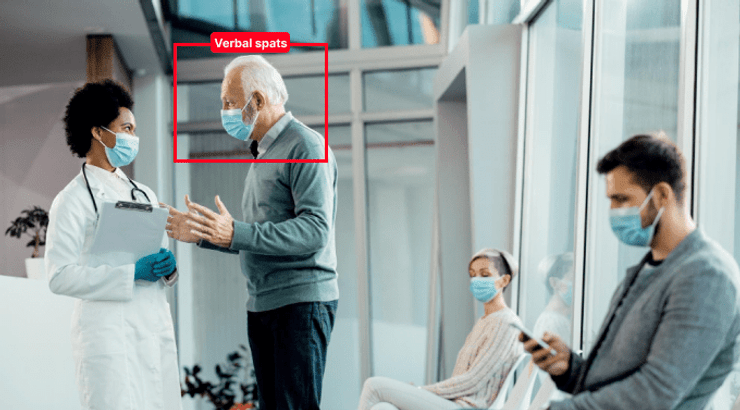
In the modern healthcare landscape, hospital safety is a critical concern, impacting not just patient care but also staff efficiency, regulatory compliance, and institutional reputation. With rising patient footfalls, increased operational complexity, and the constant need for vigilance, traditional surveillance systems fall short. AI video analytics for hospital safety is emerging as a revolutionary solution that transforms passive surveillance into active intelligence.
This blog explores how AI-powered video analytics helps create a safer and smarter hospital ecosystem.
What is AI Video Analytics?
AI video analytics refers to the use of artificial intelligence and machine learning algorithms to analyze video footage in real-time or post-event. It goes beyond traditional surveillance by:
- Detecting specific activities, movements, or behavioral patterns
- Generating real-time alerts
- Offering actionable insights to improve hospital safety and operational efficiency
In hospitals, AI video analytics integrates with existing CCTV systems, enabling automated monitoring and advanced threat detection across critical zones like emergency rooms, ICUs, entry/exit points, and corridors.
Why Hospital Safety Needs AI Video Analytics
Hospitals face unique safety challenges that require proactive monitoring:
- Unauthorized access to restricted areas
- Patient elopement or wandering (especially in psychiatry or elderly care units)
- Workplace violence or conflicts
- Slip and fall incidents in hallways or bathrooms
- Crowd congestion in waiting areas
- Emergency event response coordination
Traditional human monitoring systems are limited by attention spans, staffing constraints, and delayed responses. AI video analytics ensures continuous, unbiased surveillance 24/7.
Key Use Cases of AI Video Analytics in Hospital Safety
1. Real-Time Threat Detection
AI detects suspicious activities such as aggressive behavior, unauthorized entry, or theft in real-time and triggers alerts to security personnel. This enables faster intervention and helps prevent escalation.
2. Fall Detection for Patients
Hospitals often cater to elderly or critical patients who are at high risk of falling. AI-enabled video analytics systems can identify unusual postures or sudden collapses, instantly notifying the nursing team for quick response.
3. Patient Monitoring and Elopement Prevention
In mental health wards or pediatric departments, patient wandering or unauthorized exits can pose serious safety risks. AI video analytics tracks patient movement and triggers alerts when someone crosses restricted boundaries.
4. Workplace Safety for Healthcare Staff
Monitoring operating rooms, ICUs, and high-risk departments for potential hazards—such as liquid spills or physical altercations—enhances worker safety. AI can also help in incident reconstruction for investigation purposes.
5. Infection Control Compliance
Especially post-pandemic, hospitals must enforce hygiene and mask protocols. AI systems can detect:
- Mask compliance
- Social distancing violations
- Sanitization activity frequency
6. Crowd and Queue Management
AI video analytics helps manage crowd density in waiting areas, emergency departments, or vaccine counters. It provides real-time data for optimizing footfall, improving patient experience and maintaining order.
Benefits of AI Video Analytics for Hospital Safety
- Proactive Risk Mitigation – Enables early detection of safety risks and prevents escalation.
- 24/7 Smart Surveillance – Continuous monitoring without fatigue, unlike human operators.
- Improved Emergency Response – Instant alerts help staff act swiftly in critical moments.
- Incident Documentation – AI records help with post-event investigations and insurance purposes.
- Regulatory Compliance – Supports adherence to safety standards and health regulations.Buy vitamins and supplements
- Operational Efficiency – Frees up human staff from monitoring tasks so they can focus on patient care.
AI Video Analytics in Action: Real-World Examples
Several smart hospitals globally are already leveraging AI video analytics:
- Mount Sinai Hospital (USA) uses AI for real-time fall detection in geriatric units.
- Apollo Hospitals (India) uses video intelligence for hygiene compliance and crowd control.
- Cleveland Clinic has deployed AI surveillance for staff safety and access control across its campuses.
These implementations have resulted in enhanced patient safety metrics, reduced response times, and a significant drop in incidents.
Data Privacy and Ethical Concerns
While AI video analytics boosts safety, it’s vital to uphold patient privacy and comply with regulations like HIPAA and GDPR. Solutions must include:
- End-to-end encryption
- Data anonymization
- Role-based access controls
- Transparent consent mechanisms
Selecting a trusted AI solutions provider ensures both technical excellence and ethical compliance.
Future of AI Video Analytics in Hospitals
With advancements in deep learning and edge computing, AI video analytics is becoming more scalable and accessible. Future applications may include:
- Emotion recognition to assess patient discomfort
- AI-assisted triage in emergency departments
- Integration with robotics for autonomous monitoring
The future of hospital safety lies in intelligent automation, and AI video analytics will be at the heart of this evolution.
Conclusion
AI video analytics for hospital safety is not just a technological upgrade, it’s a paradigm shift in how hospitals ensure protection, efficiency, and compliance. From fall detection to emergency alerts and crowd control, AI Video analytics software brings a new level of intelligence to healthcare safety protocols.
Hospitals embracing this technology are better prepared to safeguard lives, streamline operations, and offer peace of mind to patients and staff alike. As healthcare institutions move toward digital transformation, investing in AI Video analytics software is a smart and necessary step toward building safer hospitals of the future.
 Nextbrain Technologies