How does the AI video analytics software transform customer experience in retail stores

AI video analytics software has become a transformative tool for retail stores, revolutionizing the way they understand and interact with customers. By leveraging advanced algorithms and machine learning techniques, this technology can analyze video footage captured by surveillance cameras to glean valuable insights into customer behavior, preferences, and demographics. In doing so, it enables retailers to optimize various aspects of the customer experience, ultimately driving higher satisfaction, loyalty, and sales. Here’s a comprehensive overview of how AI video analytics software transforms the customer experience in retail stores:

Customer Traffic Analysis:

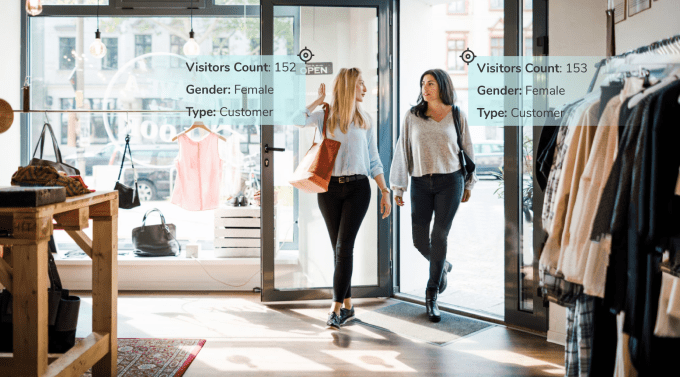
One of the primary benefits of AI video analytics software is its ability to accurately track and analyze customer traffic within the store. By monitoring the flow of people in different areas, retailers can identify high-traffic zones, popular pathways, and areas of congestion. This insight enables them to optimize store layout, product placement, and staffing to ensure a smoother and more efficient shopping experience.

Customer Demographics:

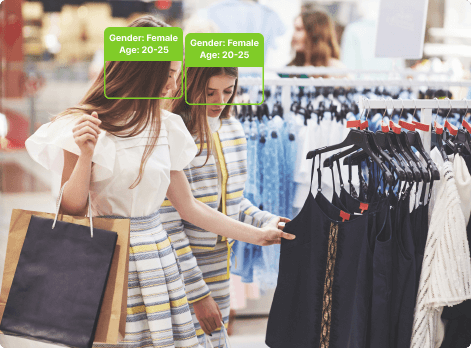
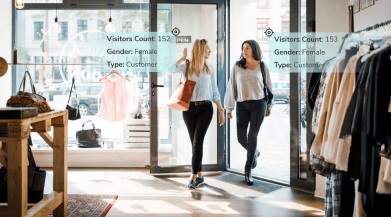
AI video analytics can also infer valuable demographic information about in-store shoppers, such as age, gender, and ethnicity, without the need for intrusive methods like surveys or questionnaires. Understanding the demographic composition of their customer base allows retailers to tailor their product offerings, marketing campaigns, and store ambiance to better resonate with their target audience.

Customer Engagement:

Analyzing customer behavior captured on video enables retailers to gauge the level of engagement with various products and displays. By identifying which items attract the most attention and trigger interactions, retailers can refine their merchandising strategies to enhance engagement and drive sales. For instance, if a particular display consistently receives high levels of engagement, the retailer may choose to allocate more prominent space or promotional efforts to that product.

Queue Management:

Long lines at checkout counters can frustrate customers and deter them from making purchases. AI video analytics can help retailers monitor queue lengths in real-time and deploy staff accordingly to minimize wait times. Additionally, insights from queue analysis can inform decisions regarding the number of open registers needed during peak hours, optimizing operational efficiency and improving customer satisfaction.

Loss Prevention:

Another significant advantage of AI video analytics software is its capability to enhance loss prevention efforts. By continuously monitoring video feeds for suspicious behaviors, such as shoplifting or fraudulent transactions, the system can alert store security personnel in real-time, allowing for swift intervention. Moreover, by analyzing historical data, the software can identify patterns of theft or fraud, enabling retailers to implement targeted prevention measures and reduce losses.

Personalized Shopping Experience:

By integrating AI video analytics with other customer data sources, such as loyalty programs or online purchase history, retailers can personalize the shopping experience for individual customers. For instance, the system can recognize returning customers upon entry and provide personalized recommendations or promotions based on their past purchases or browsing behavior. This level of customization fosters a stronger connection between the retailer and the customer, leading to increased loyalty and repeat business.

Optimized Staffing:

Understanding peak traffic hours and customer behavior patterns allows retailers to optimize staffing levels to meet demand effectively. AI video analytics can provide insights into when and where additional staff are needed, ensuring that customers receive adequate assistance and service during busy periods. By aligning staffing levels with customer traffic patterns, retailers can enhance the overall shopping experience and minimize wait times for assistance.

Store Layout Optimization:

Analyzing customer movement patterns within the store can help retailers optimize their store layout for maximum efficiency and convenience. By identifying areas with low foot traffic or high dwell times, retailers can adjust the layout, signage, and product placement to improve navigation and encourage exploration. This optimization not only enhances the customer experience but also maximizes opportunities for product discovery and impulse purchases.

    Conclusion:

    AI video analytics software is revolutionizing the retail industry by providing retailers with unprecedented insights into customer behavior and preferences. By leveraging advanced algorithms and machine learning techniques, retailers can optimize various aspects of the customer experience, from traffic flow and queue management to personalized recommendations and loss prevention. Ultimately, this technology enables retailers to create more engaging, efficient, and personalized shopping experiences that drive satisfaction, loyalty, and sales.
    How Shopping Malls Use Footfall Analytics to Drive Sales

    Shopping malls have long been the cornerstone of retail experiences, serving as bustling hubs where consumers engage with brands, products, and services. In recent years, the advent of footfall counting software has revolutionized how malls understand and optimize their operations. By leveraging people counting software, malls can glean invaluable insights into visitor behavior, preferences, and trends, ultimately driving sales and enhancing overall profitability.

    Understanding Footfall Analytics:

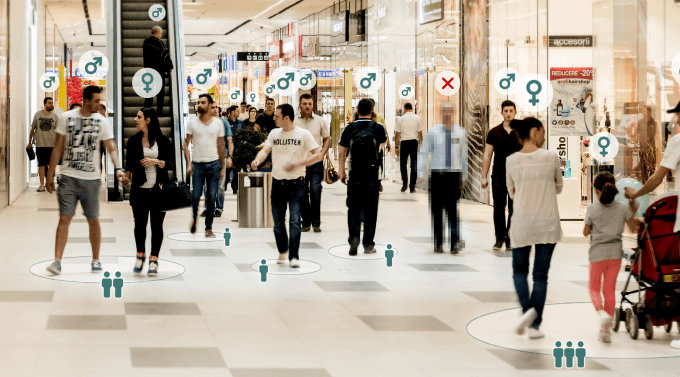
    Footfall analytics, powered by sophisticated people counting software, enable malls to accurately track and analyze visitor traffic in real-time. This software utilizes advanced technologies such as video analytics, Wi-Fi tracking, and infrared sensors to capture data on the number of people entering and exiting the premises, as well as their movement patterns within the mall. By aggregating and analyzing this data, malls can gain a comprehensive understanding of foot traffic dynamics, peak hours, popular zones, and dwell times.

    Optimizing Mall Layout and Design:

    One of the primary ways in which malls use footfall analytics to drive sales is by optimizing their layout and design. By identifying high-traffic areas and analyzing visitor flow patterns, mall operators can strategically position anchor stores, promotional displays, and amenities to maximize exposure and engagement. For instance, if footfall data reveals a particular corridor with consistently high traffic, mall management may choose to allocate premium retail spaces or install interactive exhibits to capitalize on this foot traffic.

    Enhancing Tenant Mix and Merchandising:

    Footfall analytics also empower malls to refine their tenant mix and merchandising strategies to better align with consumer preferences. By analyzing which types of stores attract the most foot traffic and generate the highest sales, mall operators can curate a diverse mix of tenants that cater to the needs and interests of their target audience. Additionally, insights derived from footfall data can inform decisions regarding product placement, pricing strategies, and promotional campaigns, thereby optimizing the overall shopping experience and driving conversion rates.

    Personalizing Marketing Efforts:

    Another key application of footfall analytics in shopping malls is the personalization of marketing efforts. By segmenting visitors based on demographics, shopping behavior, and preferences, malls can deliver targeted promotions, discounts, and loyalty rewards to incentivize repeat visits and purchases. For example, if footfall data indicates a significant influx of young families during weekends, mall marketers may launch family-friendly events or offer exclusive deals on children’s apparel and accessories to capitalize on this demographic segment.

    Improving Operational Efficiency:

    In addition to driving sales, footfall analytics can also help malls improve operational efficiency and resource allocation. By identifying bottlenecks, congestion points, and underutilized areas within the mall, management can streamline traffic flow, optimize staffing levels, and allocate resources more effectively. For instance, if footfall data reveals a consistently high volume of visitors at certain times of the day, mall operators can deploy additional staff to handle customer inquiries, manage queues, and enhance overall service quality.

    Measuring Campaign Effectiveness:

    Furthermore, footfall analytics enable malls to measure the effectiveness of marketing campaigns, events, and promotions with greater precision. By correlating foot traffic patterns with promotional activities, malls can assess the impact of various initiatives on visitor engagement, conversion rates, and revenue generation. This data-driven approach allows mall marketers to refine their strategies in real-time, allocating resources towards initiatives that yield the highest return on investment and adjusting tactics as needed to optimize results.

    Conclusion:

    Footfall analytics powered by people counting software have emerged as a game-changer for shopping malls seeking to enhance sales performance and customer satisfaction. By harnessing the power of data insights, malls can optimize their layout, tenant mix, marketing efforts, and operational processes to better meet the needs and preferences of their target audience. As technology continues to evolve, footfall analytics will undoubtedly remain a cornerstone of strategic decision-making for malls looking to thrive in an increasingly competitive retail landscape.

    Top Advantages of Hiring an AI Development Company for Business

    Hiring an AI development company for your business can offer a multitude of advantages, leveraging cutting-edge technology to enhance efficiency, productivity, and innovation across various sectors. In an increasingly competitive landscape, businesses are turning to AI to gain a competitive edge, optimize processes, and drive growth.

    Here are the top advantages of hiring an AI development company for your business:

    Expertise and Specialization:

    AI development companies consist of skilled professionals with expertise in machine learning, natural language processing, computer vision, and other AI domains. By outsourcing Artificial intelligence development, businesses gain access to specialized knowledge and experience, ensuring the

    successful implementation of AI solutions tailored to their specific needs.

    Cost-Effectiveness:

    Building an in-house AI team requires significant investment in hiring, training, and infrastructure. Outsourcing AI development to a specialized company can be more cost-effective, as it eliminates the need for long-term commitments and overhead costs associated with maintaining an in-house team.

    Faster Time to Market:

    AI development companies often have streamlined processes and frameworks in place, allowing for faster development and deployment of AI solutions. By leveraging the expertise of these companies, businesses can accelerate their time to market and gain a competitive advantage by quickly adapting to market demands.

    Scalability and Flexibility:

    AI development companies offer scalable solutions that can adapt to the evolving needs of businesses. Whether it’s scaling up to handle increased workload or incorporating new functionalities, AI development companies provide the flexibility to accommodate business growth and changes in requirements.

    Access to Cutting-Edge Technology:

    Staying abreast of the latest advancements in AI technology can be challenging for businesses. AI development companies invest in research and development to stay at the forefront of technological innovations, ensuring that their clients have access to state-of-the-art AI solutions that deliver superior performance and results.

    Customized Solutions:

    Every business has unique requirements and challenges that require customized AI solutions. AI development companies work closely with clients to understand their specific needs and develop tailor-made solutions that address their pain points and objectives effectively.

    Risk Mitigation:

    Implementing AI solutions involves inherent risks, including technical complexities, data privacy concerns, and regulatory compliance issues. AI development companies have experience in navigating these challenges and can help businesses mitigate risks by following best practices and adhering to industry standards and regulations.

    Integration Capabilities:

    AI development companies can seamlessly integrate AI solutions with existing systems and processes, ensuring compatibility and interoperability. Whether it’s integrating AI algorithms into enterprise software or developing APIs for third-party integration, AI development companies provide comprehensive solutions that align with the client’s infrastructure and workflows.

    Continuous Support and Maintenance:

    The journey doesn’t end once an AI solution is deployed; it requires continuous support, monitoring, and maintenance to ensure optimal performance and reliability. AI development companies offer ongoing support services, including troubleshooting, updates, and enhancements, to keep AI systems running smoothly and efficiently.

    Competitive Advantage:

    In today’s digital age, leveraging AI can provide a significant competitive advantage by enabling businesses to automate repetitive tasks, gain actionable insights from data, personalize customer experiences, and innovate products and services. By partnering with an AI development company, businesses can harness the power of AI to stay ahead of the curve and outperform competitors.

    Conclusion:

    Hiring an AI development company offers numerous advantages for businesses looking to harness the transformative potential of AI technology. From access to specialized expertise and cutting-edge technology to cost-effectiveness and scalability, partnering with an AI development company can drive innovation, efficiency, and growth, enabling businesses to thrive in a rapidly evolving marketplace.

    How and why retail stores should use people counting software

    In today’s highly competitive retail landscape, optimizing operational efficiency is paramount for success. One of the key areas where retailers can significantly enhance efficiency is through the strategic utilization of people counting software. This innovative technology offers a range of benefits, from improving customer service to optimizing staffing levels and enhancing overall store performance. We will delve into the how and why of implementing people counting software in retail stores, exploring its multifaceted advantages and strategic implications.

    Understanding People Counting Software:

    People counting software utilizes advanced technologies such as video analytics, thermal sensors, or Wi-Fi tracking to accurately monitor foot traffic within retail spaces. By capturing data on the number of visitors, their movement patterns, and dwell times, this software provides invaluable insights into customer behavior and store performance.

    Enhancing Customer Experience:

    At the heart of every successful retail operation lies a commitment to exceptional customer service. People counting software plays a crucial role in this regard by enabling retailers to optimize their store layouts and staffing levels based on real-time traffic data. By identifying peak hours and high-traffic areas, retailers can ensure that adequate staff are deployed to assist customers promptly, thus enhancing the overall shopping experience.

    Moreover, by analyzing customer flow patterns, retailers can identify bottlenecks and optimize store layouts to improve navigation and minimize congestion. This not only enhances convenience for shoppers but also encourages longer browsing times and increased sales opportunities.

    Optimizing Staffing Levels:

    Effective workforce management is essential for controlling operational costs while maintaining service quality. People counting software provides retailers with accurate insights into traffic patterns, enabling them to align staffing levels with customer demand more effectively. By adjusting schedules based on real-time data, retailers can avoid overstaffing during quiet periods and ensure adequate coverage during peak hours, thus optimizing labor costs while maintaining service standards.

    Maximizing Conversion Rates:

    Understanding customer behavior is essential for maximizing conversion rates and driving sales. People counting software provides retailers with valuable data on conversion rates by tracking the number of visitors and correlating it with transaction data. By analyzing conversion rates in relation to various factors such as store layout, product placement, and promotional activities, retailers can identify areas for improvement and implement targeted strategies to enhance sales performance.

    Furthermore, by integrating people counting data with customer demographics and purchase histories, retailers can personalize the shopping experience and tailor marketing efforts to specific customer segments. This enables retailers to deliver more relevant offers and recommendations, thereby increasing the likelihood of conversion and fostering customer loyalty.

    Measuring Marketing Effectiveness:

    In today’s omnichannel retail environment, measuring the effectiveness of marketing campaigns across various channels is essential for maximizing ROI. People counting software enables retailers to track the impact of marketing initiatives on foot traffic and sales in real time. By correlating marketing activities with changes in customer behavior, retailers can assess the effectiveness of different campaigns and allocate resources more efficiently to achieve desired outcomes.

    Enhancing Security and Safety:

    Beyond its benefits for customer service and sales optimization, people counting software also plays a critical role in enhancing security and safety within retail environments. By monitoring foot traffic and detecting unusual patterns or behaviors, this technology can help retailers identify and respond to potential security threats or safety hazards promptly. Moreover, by integrating with other security systems such as video surveillance and access control, people counting software enables retailers to enhance overall security measures and protect both customers and staff.

    Conclusion:

    The strategic integration of people counting software offers numerous benefits for retail stores, ranging from improving customer service and optimizing staffing levels to maximizing conversion rates and measuring marketing effectiveness. By harnessing the power of advanced analytics and real-time data insights, retailers can gain a competitive edge in today’s dynamic marketplace. However, it’s essential to note that successful implementation requires careful planning, integration, and ongoing refinement to ensure maximum effectiveness. Overall, people counting software represents a valuable investment for retailers seeking to enhance operational efficiency, drive sales, and deliver exceptional customer experiences in the digital age.

    A Guide to Video Analytics: Applications and Opportunities

    In today’s digital age, the rapid advancements in technology have ushered in an era where vast amounts of data are generated daily. Among these, video data stands out as one of the richest sources of information. Video analytics, a subset of data analytics, is the process of analyzing video streams or stored video data to extract meaningful insights. This guide aims to delve into the myriad applications and opportunities presented by video analytics across various domains.

    Understanding Video Analytics

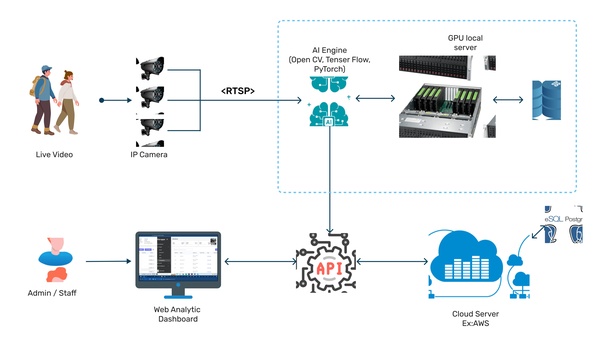
    AI Video analytics leverages computer vision, machine learning, and artificial intelligence techniques to interpret visual data. By analyzing video content, this technology can perform tasks ranging from object detection and tracking to behavior analysis and anomaly detection.

    Applications of Video Analytics

    Surveillance and Security:

    One of the most prominent applications of video analytics is in surveillance and security systems. It enables real-time monitoring of security footage, automatic detection of suspicious activities, and identification of unauthorized individuals or objects in restricted areas. Video analytics can also help in forensic investigations by providing valuable evidence.

    Retail Analytics:

    In the retail sector, video analytics plays a vital role in understanding customer behavior and optimizing store layouts. Retailers can analyze video footage to track customer traffic patterns, identify popular product zones, and assess the effectiveness of marketing campaigns. Furthermore, it enables retailers to detect and prevent theft or shoplifting incidents.

    Smart Cities:

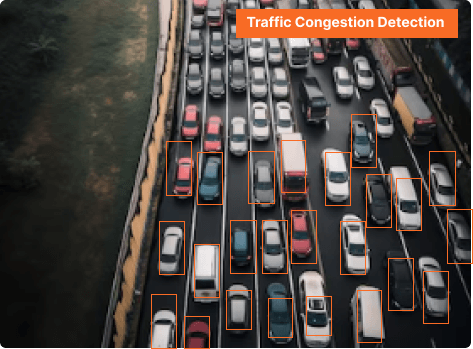
    Video analytics contributes to the development of smart cities by enhancing public safety and optimizing urban infrastructure. Traffic management systems utilize video analytics to monitor traffic flow, detect accidents, and manage congestion. Additionally, it aids in enhancing public security through the identification of criminal activities and crowd management during large events.

    Healthcare:

    Video analytics has transformative potential in the healthcare industry. It can be used for patient monitoring, fall detection in eldercare facilities, and ensuring compliance with hygiene protocols in hospitals. Furthermore, video analytics-powered diagnostic tools assist healthcare professionals in detecting abnormalities in medical imaging data, thereby facilitating timely diagnoses.

    Industrial Automation:

    Video analytics is increasingly being integrated into industrial environments to improve efficiency and safety. In manufacturing plants, it enables real-time monitoring of production processes, quality control inspections, and predictive maintenance of machinery. Video analytics can also enhance workplace safety by detecting hazardous situations and ensuring adherence to safety protocols.

      Opportunities in Video Analytics

      Advancements in AI and Machine Learning:

      With ongoing advancements in AI and machine learning algorithms, the capabilities of video analytics are continually evolving. Enhanced algorithms enable more accurate object recognition, behavior analysis, and predictive modeling, opening up new possibilities for applications in diverse domains.

      Integration with IoT and Edge Computing:

      The integration of video analytics with Internet of Things (IoT) devices and edge computing platforms enables real-time processing and analysis of video data at the network edge. This approach reduces latency, bandwidth usage, and dependence on centralized servers, making video analytics more scalable and cost-effective.

      Personalized Customer Experiences:

      Video analytics facilitates the collection of rich customer insights, enabling businesses to deliver personalized experiences. By analyzing customer interactions with video content, retailers and marketers can tailor their offerings to individual preferences, thereby enhancing customer satisfaction and loyalty.

      Ethical Considerations and Privacy Protection:

      As video analytics becomes more pervasive, it raises concerns regarding privacy and ethical usage of data. Opportunities exist for developing robust frameworks and regulations to ensure responsible deployment of video analytics systems while safeguarding individual privacy rights.

      Customized Solutions for Niche Markets:

      There is a growing demand for specialized video analytics solutions tailored to specific industry verticals or niche markets. Companies that can innovate and develop customized offerings to address unique challenges in areas such as agriculture, transportation, or entertainment stand to capture significant market opportunities.

        Conclusion:

        AI video analytics presents a vast array of applications and opportunities across various sectors, ranging from security and retail to healthcare and industrial automation. With ongoing technological advancements and increased adoption, the potential for leveraging video analytics to drive innovation and efficiency is boundless. However, it is crucial to address ethical considerations and privacy concerns to ensure the responsible and sustainable deployment of this transformative technology.

        Digital Signage in Manufacturing: Key Benefits & Functionalities

        In the modern manufacturing landscape, efficiency, communication, and safety are paramount. Traditional methods of communication and information dissemination within manufacturing facilities often fall short of meeting the dynamic needs of the industry. This is where digital signage emerges as a powerful tool, offering a plethora of benefits and functionalities that revolutionize operations within manufacturing environments.

        Benefits of Digital Signage in Manufacturing:

        1. Enhanced Communication: One of the primary advantages of digital signage in manufacturing is its ability to facilitate clear and real-time communication. These digital displays can be strategically placed throughout the facility to deliver critical information such as production metrics, safety guidelines, and operational updates to employees instantly.
        2. Increased Productivity: By providing employees with up-to-date information and instructions directly on the production floor, digital signage eliminates the need for time-consuming meetings and paper-based communication methods. This results in improved productivity as workers can quickly access relevant data without disrupting their workflow.
        3. Improved Safety: Safety is a top priority in manufacturing, and digital signage plays a crucial role in promoting a safe working environment. These displays can broadcast safety protocols, hazard warnings, and emergency procedures, ensuring that employees remain aware of potential risks and adhere to safety guidelines at all times.
        4. Streamlined Workflow: Digital signage can be integrated with various manufacturing systems such as Enterprise Resource Planning (ERP) and Manufacturing Execution Systems (MES) to display real-time production schedules, inventory levels, and quality control metrics. This integration streamlines workflow management, minimizes downtime, and optimizes resource allocation.
        5. Enhanced Training and Onboarding: Traditional training methods in manufacturing often involve lengthy manuals and in-person sessions, which can be time-consuming and inefficient. Digital signage allows companies to deliver interactive training modules and onboarding materials directly to employees on the production floor, ensuring consistent and engaging learning experiences.
        6. Brand Reinforcement: Digital signage serves as a powerful branding tool within manufacturing facilities, allowing companies to showcase their products, values, and achievements to both employees and visitors. By reinforcing brand identity through dynamic visual content, manufacturers can foster a sense of pride and loyalty among their workforce.
        7. Flexibility and Customization: Unlike static signage, digital displays offer unparalleled flexibility and customization options. Manufacturers can easily update content, change messaging, and tailor information based on specific departments or shifts, ensuring that communication remains relevant and engaging.
        8. Data Visualization: Digital signage can transform complex data sets into visually appealing charts, graphs, and dashboards, making it easier for employees to interpret and act upon critical information. By visualizing key performance indicators (KPIs) and production metrics in real-time, manufacturers can drive continuous improvement initiatives and optimize operational performance.
        9. Environmental Sustainability: Adopting digital signage in manufacturing contributes to environmental sustainability by reducing paper consumption and waste associated with traditional signage methods. Additionally, digital displays consume less energy compared to traditional backlit signs, further minimizing the carbon footprint of manufacturing facilities.
        10. Compliance and Regulations: In highly regulated industries such as manufacturing, compliance with industry standards and government regulations is essential. Digital signage enables manufacturers to communicate compliance requirements, policy updates, and regulatory changes effectively, ensuring adherence to legal obligations and avoiding potential penalties.

        Functionalities of Digital Signage in Manufacturing:

        • Real-Time Data Integration: Digital signage systems can integrate with various data sources such as ERP, MES, and IoT devices to display real-time production data, inventory levels, machine status, and quality metrics.
        • Remote Management: Manufacturers can remotely manage and update content on digital displays across multiple locations, ensuring consistent messaging and branding throughout the organization.
        • Interactive Touchscreens: Touchscreen-enabled digital displays allow employees to interact with content, access training modules, submit feedback, and perform tasks such as clocking in/out or reporting maintenance issues.
        • Mobile Connectivity: Some digital signage solutions offer mobile connectivity features, enabling employees to access content and receive notifications via their smartphones or tablets, even when they are away from the production floor.
        • Content Management Systems (CMS): CMS platforms provide manufacturers with centralized control over content creation, scheduling, and distribution, allowing them to easily manage and customize digital signage content.
        • Emergency Alert System: Digital signage can serve as an integral part of an emergency alert system, broadcasting critical notifications and evacuation procedures in the event of emergencies such as fires, chemical spills, or natural disasters.
        • Audience Analytics: Advanced digital signage systems offer audience analytics capabilities, allowing manufacturers to track engagement metrics, measure the effectiveness of content, and gain insights into employee behavior and preferences.
        • Integration with Other Technologies: Digital signage can be integrated with other technologies such as RFID, barcode scanners, and digital cameras to enhance functionality and deliver more personalized and interactive experiences.
        • Multi-Language Support: For multinational manufacturing facilities, digital signage systems often support multiple languages, ensuring that all employees can access information and instructions in their preferred language.
        • Scalability and Expansion: Digital signage solutions are highly scalable, allowing manufacturers to easily expand their deployment to additional locations or scale up the number of displays as their operations grow.

        Conclusion:

        digital signage software has become an indispensable tool for modern manufacturing facilities, offering a wide range of benefits and functionalities that improve communication, productivity, safety, and overall operational efficiency. By leveraging the power of digital displays, manufacturers can create smarter, more connected environments that empower employees, drive innovation, and ensure long-term success in an increasingly competitive industry landscape.

        Top advantages of hiring an IoT development company for your business

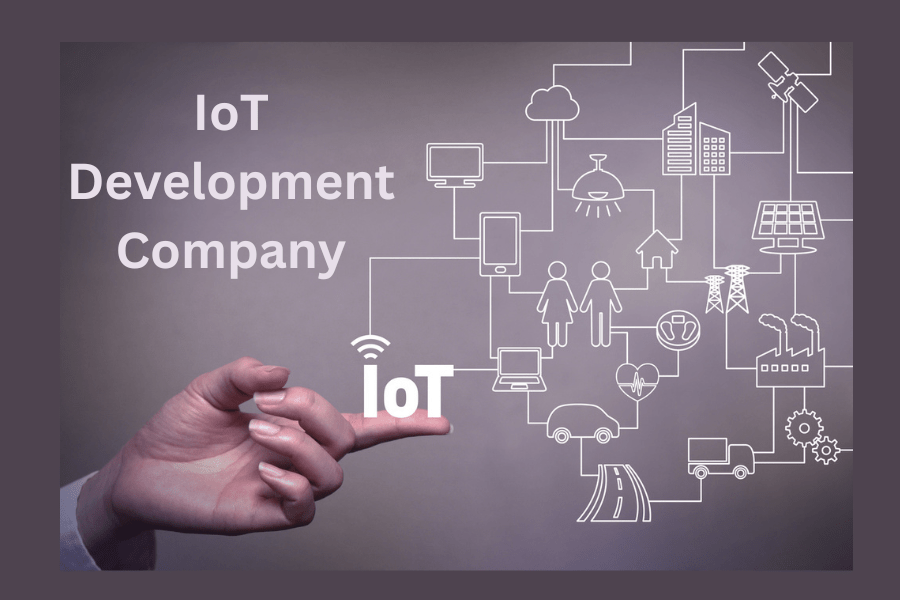
        In today’s rapidly evolving digital landscape, businesses are constantly seeking innovative solutions to streamline operations, enhance efficiency, and deliver exceptional experiences to customers. One such transformative technology that has gained significant traction is the Internet of Things (IoT). With its ability to connect devices, collect data, and facilitate intelligent decision-making, IoT has revolutionized various industries, ranging from manufacturing and healthcare to retail and agriculture. However, harnessing the full potential of IoT requires expertise, resources, and strategic planning. This is where hiring a specialized IoT development company can offer a plethora of advantages, empowering businesses to leverage this cutting-edge technology effectively.

        Expertise and Experience:

        IoT development companies specialize in designing, developing, and implementing IoT solutions tailored to the unique needs of businesses across diverse industries. These companies boast a team of seasoned professionals with expertise in areas such as hardware design, embedded systems, firmware development, data analytics, cloud computing, and cybersecurity. By tapping into their knowledge and experience, businesses can accelerate the development process, mitigate risks, and ensure the successful deployment of IoT projects.

        Customized Solutions:

        Every business has its own set of challenges, goals, and operational requirements. Off-the-shelf IoT solutions may not always align perfectly with these unique needs. IoT development companies offer customized solutions that are designed from the ground up to address specific business objectives and workflow intricacies. Whether it’s building a smart manufacturing system, developing a connected healthcare platform, or creating an intelligent retail environment, these companies tailor their solutions to deliver maximum value and ROI for their clients.

        End-to-End Service:

        From conceptualization and prototyping to deployment and maintenance, IoT development companies provide comprehensive end-to-end services throughout the entire project lifecycle. They work closely with clients to understand their requirements, develop a detailed roadmap, and execute each phase of the project with precision and efficiency. This seamless integration of services ensures a smooth transition from ideation to implementation, minimizing disruptions and optimizing resource utilization.

        Scalability and Flexibility:

        As businesses grow and evolve, their IoT requirements may change accordingly. IoT development companies design solutions that are scalable and flexible, allowing businesses to adapt to shifting market dynamics and emerging opportunities seamlessly. Whether it’s expanding the network of connected devices, integrating new sensors and protocols, or enhancing data analytics capabilities, these companies ensure that the IoT infrastructure can scale with the business and accommodate future expansion effortlessly.

        Focus on Core Competencies:

        Developing and managing IoT solutions requires specialized skills, resources, and infrastructure. By outsourcing Internet of Things development to a dedicated company, businesses can free up their internal teams to focus on core competencies and strategic initiatives. This not only improves operational efficiency but also enables businesses to leverage the expertise of IoT professionals without the need for substantial investments in hiring, training, and infrastructure.

        Faster Time-to-Market:

        In today’s fast-paced business environment, speed is often a critical factor in gaining a competitive edge. IoT development companies employ agile methodologies and best practices to accelerate the development cycle and bring solutions to market faster. By leveraging pre-built frameworks, reusable components, and established workflows, these companies reduce time-to-market significantly, allowing businesses to capitalize on market opportunities swiftly and stay ahead of the curve.

        Cost-Effectiveness:

        While developing IoT solutions in-house may seem like a viable option, it often entails substantial upfront costs, including hiring skilled personnel, investing in infrastructure, and acquiring licenses and tools. On the other hand, outsourcing IoT development to a specialized company offers a cost-effective alternative. These companies operate on a project-based model, allowing businesses to pay for the services they need without incurring additional overheads. Moreover, by leveraging the expertise of IoT professionals, businesses can avoid costly mistakes and ensure optimal resource utilization, further enhancing cost-effectiveness.

        Continuous Support and Maintenance:

        The journey doesn’t end with the deployment of IoT solutions; it’s just the beginning. IoT development companies provide ongoing support and maintenance services to ensure the smooth operation of deployed systems. Whether it’s monitoring performance, troubleshooting issues, applying software updates, or enhancing security measures, these companies offer round-the-clock support to address any challenges that may arise. This proactive approach not only minimizes downtime but also ensures that IoT solutions remain robust, secure, and up-to-date in the face of evolving threats and technologies.

          Conclusion:

          Hiring an IoT development company offers a multitude of advantages for businesses looking to harness the power of connected devices and data-driven insights. From expertise and customized solutions to scalability and cost-effectiveness, these companies enable businesses to unlock new opportunities, drive innovation, and achieve sustainable growth in today’s digital age. By partnering with a reputable IoT development company, businesses can embark on their IoT journey with confidence, knowing that they have the right expertise, resources, and support to succeed in an increasingly interconnected world.

          How AI Video Analytics Can Improve School Security

          Ensuring the safety and security of students and staff within educational institutions is paramount. With the rise of technological advancements, AI video analytics has emerged as a promising tool to bolster school security measures. By harnessing the power of artificial intelligence (AI), schools can effectively monitor their premises, identify potential threats, and respond swiftly to ensure a secure environment conducive to learning. This article explores the various ways in which AI video analytics can enhance school security, from proactive threat detection to efficient incident response.

          Facial Recognition Technology:

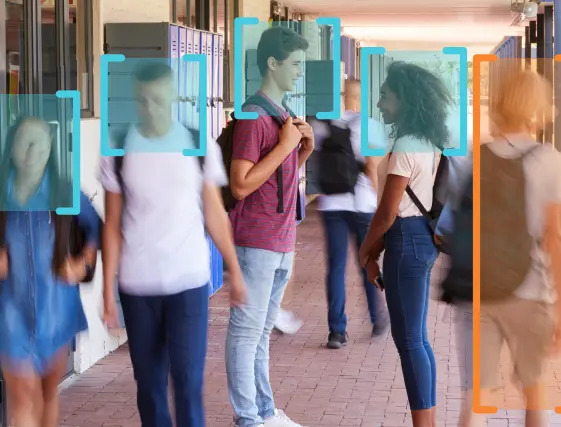
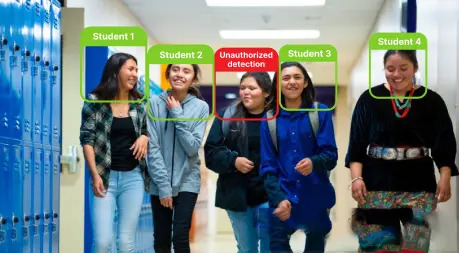
          Facial recognition technology is another powerful tool that can be integrated into AI video analytics systems to enhance school security. By comparing live video feeds with a database of known individuals, facial recognition algorithms can quickly identify unauthorized persons or individuals with a history of problematic behavior. This technology can be particularly useful in controlling access to school premises, monitoring attendance, and identifying individuals banned from the premises due to disciplinary actions or security concerns. Moreover, in the event of a security breach or a missing person, facial recognition technology can aid law enforcement agencies in locating and apprehending suspects more efficiently.

          Behavioral Analysis:

          In addition to facial recognition, AI video analytics can also perform behavioral analysis to identify potential threats. By analyzing patterns of movement and behavior, AI algorithms can detect deviations from normal activity that may indicate suspicious or threatening conduct. For instance, sudden changes in crowd density, erratic movements, or the presence of unattended objects could signal a security risk such as a fight, a potential weapon, or a suspicious package. By continuously monitoring these behavioral cues, AI video analytics can alert security personnel to investigate further and take appropriate action to mitigate any potential threats.

          Integration with Access Control Systems:

          Another key advantage of AI video analytics in school security is its seamless integration with access control systems. By combining video surveillance with access control technologies such as smart locks and entry gates, schools can create a layered security approach that effectively controls the flow of people within the premises. For example, AI-powered video analytics can automatically grant or deny access based on predefined criteria, such as facial recognition matches or behavior analysis results. This not only enhances security by preventing unauthorized access but also streamlines the entry process for authorized individuals, improving overall efficiency and convenience.

          Proactive Threat Detection:

          One of the primary benefits of AI video analytics in school security is its ability to proactively detect potential threats. Traditional surveillance systems rely heavily on human monitoring, which can be prone to errors and oversight. AI-powered video analytics, on the other hand, can analyze vast amounts of footage in real-time, identifying suspicious behaviors or anomalies that may indicate a security risk. For example, AI algorithms can detect unauthorized individuals entering restricted areas, loitering in suspicious locations, or exhibiting aggressive behavior. By promptly flagging these anomalies, security personnel can intervene before a situation escalates, preventing potential incidents such as vandalism, theft, or violence.

          Real-time Alerts and Incident Response:

          One of the most critical features of AI video analytics in school security is its ability to provide real-time alerts and facilitate rapid incident response. In the event of a security breach or a suspicious activity, AI algorithms can immediately alert security personnel via text message, email, or mobile app notifications. These alerts can include live video feeds of the incident location, enabling security personnel to assess the situation quickly and coordinate an appropriate response. Moreover, AI video analytics can automate certain response actions, such as locking down specific areas, activating alarms, or dispatching emergency services, further minimizing response times and maximizing the effectiveness of security protocols.

          Emergency Response:

          During critical situations such as active shooter incidents or medical emergencies, AI video analytics can play a crucial role in expediting emergency response efforts. By automatically detecting threats and initiating alarm protocols, these systems can alert relevant authorities and provide real-time situational awareness to responders. Furthermore, AI algorithms can optimize resource allocation by directing emergency personnel to specific locations based on the severity of the threat. By accelerating response times and minimizing confusion, AI video analytics can mitigate the impact of emergencies, potentially saving lives in the process.

          Conclusion:

          AI video analytics software holds immense potential for improving school security by enabling proactive threat detection, facial recognition, behavioral analysis, integration with access control systems, real-time alerts, and incident response. By harnessing the power of artificial intelligence, schools can create safer environments for students and staff, mitigating security risks and enhancing overall peace of mind. However, it is crucial for schools to address privacy and ethical concerns and implement appropriate safeguards to ensure responsible and effective use of AI video analytics in enhancing school security.

          5 Ways To Enrich Your Campus Experience With Digital Signage software

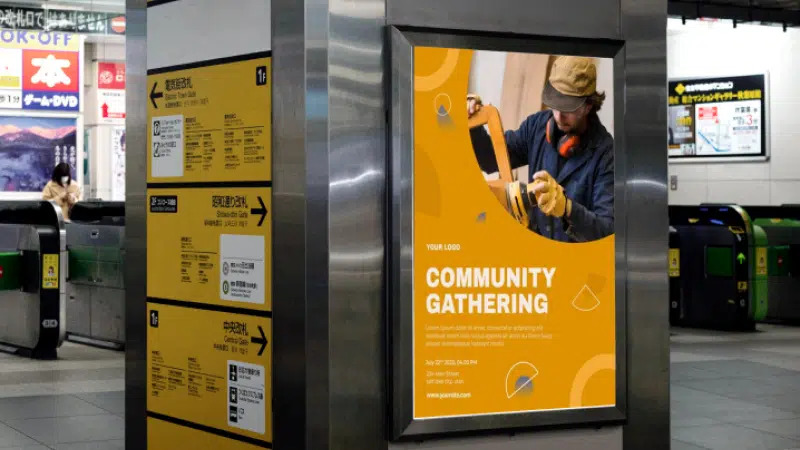
          In today’s technology-driven world, digital signage software has become a powerful tool for enhancing communication and engagement on college campuses. With its ability to display dynamic content in real-time, digital signage has transformed traditional static displays into interactive and informative platforms. From promoting events to disseminating important announcements, here are five ways to enrich your campus experience with digital signage software:

          Event Promotion and Information Sharing:

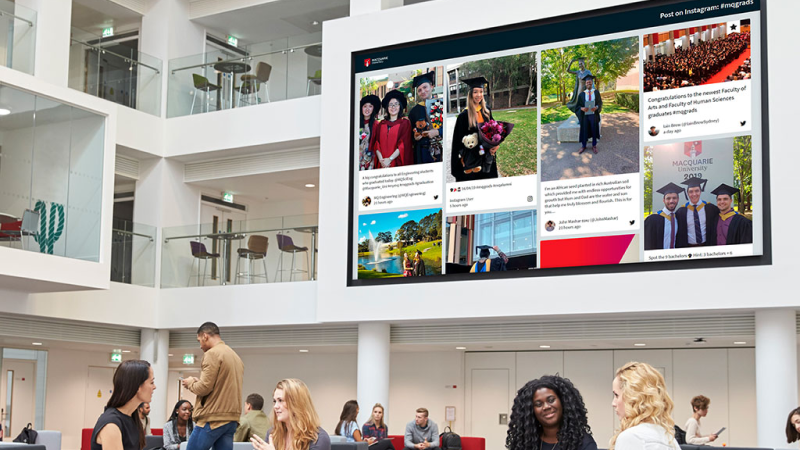
          Digital signage software provides an excellent platform for promoting campus events and activities. By strategically placing digital screens in high-traffic areas such as student centers, libraries, and cafeterias, colleges can effectively communicate upcoming events, guest lectures, workshops, and club meetings to the student body. With dynamic content capabilities, such as videos, slideshows, and social media feeds, digital signage grabs attention and keeps students informed about campus happenings in an engaging manner. Moreover, integration with event management systems allows for automated updates, ensuring that the displayed information is always current and accurate.

          Campus Navigation and Wayfinding:

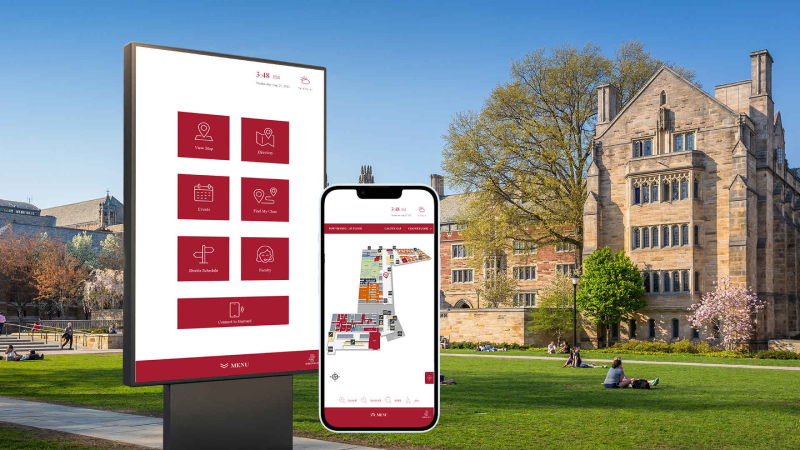
          Navigating a large college campus can be daunting for new students and visitors. Digital signage software can alleviate this challenge by providing interactive campus maps and wayfinding solutions. By deploying digital kiosks equipped with touchscreen interfaces and map functionalities, users can easily search for buildings, classrooms, offices, and amenities. Integrated with real-time data, such as class schedules and transportation information, these digital wayfinding systems offer personalized directions and help users navigate the campus efficiently. Additionally, the inclusion of QR codes or NFC technology enables users to access additional information or download maps directly to their mobile devices for convenience.

          Emergency Alerts and Safety Communication:

          Ensuring campus safety is a top priority for colleges and universities. Digital signage software plays a crucial role in disseminating emergency alerts and safety information to the campus community during critical situations. By integrating with emergency notification systems, such as text messaging and sirens, digital signage can display urgent alerts, evacuation procedures, and shelter locations in real-time. Furthermore, the flexibility of digital signage allows for the display of multimedia content, including instructional videos and graphics, to effectively communicate emergency protocols and ensure that individuals respond promptly and appropriately to emergency situations.

          Interactive Learning and Engagement:

          Digital signage software can transform traditional learning environments into interactive and engaging spaces. By incorporating interactive touchscreens into classrooms, lecture halls, and study areas, educators can facilitate collaborative learning experiences and enhance student engagement. Interactive displays enable instructors to present multimedia content, conduct live polls and quizzes, and encourage student participation through interactive activities and simulations. Additionally, digital signage can showcase student projects, research initiatives, and academic achievements, fostering a culture of innovation and collaboration within the campus community.

          Campus Branding and Student Communication:

          Digital signage software serves as a powerful tool for campus branding and student communication. Colleges can customize digital displays with branded templates, logos, and colors to reinforce their identity and create a cohesive visual experience across campus. Moreover, digital signage enables targeted communication to specific student groups or departments, delivering relevant information and announcements tailored to their interests and needs. Whether promoting campus services, career opportunities, or student organizations, digital signage facilitates effective communication channels that resonate with the diverse student population.

          Conclusion:

          Cloud based digital signage software offers a myriad of opportunities to enrich the campus experience and enhance communication and engagement within the college community. By leveraging its capabilities for event promotion, wayfinding, emergency communication, interactive learning, and branding, colleges can create dynamic and immersive environments that support student success and foster a sense of belonging on campus. As technology continues to evolve, digital signage will undoubtedly remain a valuable asset for colleges seeking to innovate and elevate the student experience.

          How People Counting Systems Enhance Customer Experience in Retail Stores

          In the fast-paced world of retail, providing an exceptional customer experience is paramount for success. As technology continues to evolve, retailers are leveraging innovative solutions to enhance various aspects of their operations. One such technology that has gained prominence in recent years is People Counting Systems (PCS). These systems, often based on advanced sensors and analytics, play a crucial role in optimizing store performance and, in turn, elevating the overall customer experience.

          Understanding People Counting Systems:

          People Counting Systems are designed to accurately track the number of individuals entering and exiting a retail store. The core components of these systems typically include sensors, cameras, and sophisticated software that processes the collected data. The primary objective is to gain insights into customer behavior, foot traffic patterns, and overall store occupancy.

          Optimizing Staff Allocation:

          One of the immediate benefits of People Counting Systems is the optimization of staff allocation. By understanding peak hours and foot traffic patterns, retailers can strategically schedule their workforce to ensure there is an adequate number of staff members available during busy periods. This not only improves customer service but also helps in reducing wait times at checkout counters and other service points.

          Enhancing Operational Efficiency:

          Beyond workforce management, People Counting Systems contribute to overall operational efficiency. Retailers can analyze foot traffic data to identify popular store areas and strategically place high-demand products. This data-driven approach allows for better inventory management, reducing instances of stockouts and overstocking. As a result, customers are more likely to find the products they need, contributing to a positive shopping experience.

          Queue Management and Customer Flow:

          Long queues and crowded spaces can be major deterrents for customers. People Counting Systems enable retailers to implement effective queue management strategies. By analyzing real-time data, retailers can deploy staff to open additional checkout counters during peak hours, ensuring a smoother flow of customers and minimizing waiting times. This not only enhances the customer experience but also maximizes the store’s revenue potential.

          Personalized Customer Interactions:

          Understanding customer behavior is key to delivering personalized shopping experiences. People Counting Systems provide valuable data on the most frequented sections of the store, allowing retailers to tailor promotions and marketing strategies to specific customer preferences. By leveraging this information, retailers can create a more engaging and relevant shopping environment, fostering customer loyalty and satisfaction.

          COVID-19 Safety Measures:

          The global pandemic has amplified the importance of maintaining a safe shopping environment. People Counting Systems play a critical role in enforcing occupancy limits and social distancing measures. Retailers can set thresholds for the maximum number of customers allowed in the store at any given time, ensuring compliance with health and safety guidelines. This not only protects customers but also enhances their confidence in the brand’s commitment to their well-being.

          Data-Driven Decision-Making:

          The power of People Counting Systems lies in the actionable insights they provide. Retailers can harness the collected data to make informed decisions on store layout, marketing strategies, and overall business operations. By adopting a data-driven approach, retailers can continuously refine their customer experience initiatives, staying ahead in a competitive market.

          Challenges and Considerations:

          While People Counting Systems offer numerous benefits, there are challenges and considerations that retailers must address. Privacy concerns, data security, and the need for accurate calibration are among the factors that require careful attention. Additionally, retailers should invest in user-friendly interfaces and staff training to ensure seamless integration and optimal utilization of the technology.

          Conclusion:

          People Counting Systems have emerged as indispensable tools for modern retailers seeking to enhance the customer experience. From optimizing staff allocation and improving operational efficiency to enabling personalized interactions and ensuring safety during a global pandemic, these systems offer a multifaceted approach to store management. As technology continues to advance, retailers must embrace innovative solutions like People Counting Systems to stay competitive, adapt to evolving consumer preferences, and provide an unparalleled shopping experience that fosters customer loyalty.

          Design a site like this with WordPress.com
          Get started