How Digital Signage Software Transforms Factory Floor Communication and Worker Safety

In the modern industrial era, effective communication and a safe working environment are more than necessities—they are strategic advantages. With factories becoming increasingly complex, the demand for real-time information dissemination and proactive safety measures has skyrocketed. This is where digital signage software steps in as a game-changer. From improving floor-wide communication to boosting compliance and minimizing accidents, digital signage software plays a vital role in transforming factory operations.

Understanding Digital Signage Software in Industrial Settings

Digital signage software refers to a centralized platform that enables facilities to manage and display digital content across multiple screens. In the context of a factory floor, this content can range from safety instructions and shift updates to emergency alerts and productivity dashboards.

Unlike traditional signage that remains static and easily outdated, digital signage can be updated in real-time, customized per department or zone, and made interactive. This agility makes it particularly powerful in dynamic environments like manufacturing facilities.

The Communication Breakdown on Factory Floors

Before diving into the impact of digital signage, it’s crucial to understand the communication challenges within factory environments:

  • High noise levels hinder verbal communication.
  • Language barriers among workers from diverse backgrounds.
  • Decentralized layouts with multiple departments and operations happening simultaneously.
  • Limited access to personal digital devices, especially in high-risk zones.

These issues can lead to delayed information, reduced morale, and most critically, safety hazards. Digital signage offers a visual, multilingual, and real-time solution to bridge this communication gap.

Key Ways Digital Signage Software Improves Factory Floor Communication

1. Real-Time Alerts and Notifications

Whether it’s a production line halt, maintenance alert, or emergency evacuation, digital signage ensures that messages are instantly conveyed across the factory floor. Screens placed in strategic locations display real-time notifications, minimizing downtime and enabling quicker responses.

2. Shift Schedules and Workforce Coordination

Digital signage software can be integrated with Human Resource Management Systems (HRMS) or ERP tools to display:

  • Current shift allocations
  • Break schedules
  • Attendance statistics

This eliminates confusion, reduces crowding during shift transitions, and keeps workers informed of changes instantly.

3. Production Targets and KPIs Display

Displaying Key Performance Indicators (KPIs) such as daily production targets, unit count, downtime, and efficiency rates helps align workers with the plant’s objectives. By making goals visible, digital signage fosters a performance-driven culture and accountability.

4. Multilingual and Visual Communication

With a multilingual workforce, communicating effectively in one language often leads to misunderstandings. Digital signage solves this by offering visual cues (e.g., icons, animations, color codes) and supporting multiple languages, ensuring every worker gets the intended message.

Transforming Worker Safety Through Visual Communication

1. Displaying Safety Protocols and PPE Guidelines

A factory floor is laden with risks—from machinery hazards to chemical exposure. Digital signage serves as a persistent reminder of:

  • Safety rules
  • Personal Protective Equipment (PPE) usage
  • Lockout/tagout procedures
  • Hygiene protocols

These visual reinforcements reduce the chances of non-compliance and accidental negligence.

2. Emergency Communication and Evacuation Instructions

In case of fire, gas leaks, or electrical faults, digital signage instantly switches to emergency mode, displaying evacuation maps, exit routes, and safety assembly points. Since workers may not have access to phones or intercoms in hazardous zones, signage becomes a critical medium for lifesaving information.

3. Incident Reporting and Near-Miss Awareness

Modern digital signage platforms can integrate with incident tracking tools to display recent near-miss reports, audit updates, and learnings from past accidents. This keeps safety top of mind and fosters a preventive culture among workers.

4. Behavioral Safety Campaigns

Factories can run awareness campaigns around topics like “Zero Harm,” “Safe Lifting Techniques,” or “Electrical Safety Tips” on their signage displays. Rotating content keeps safety messaging fresh, engaging, and relevant.

Integration with IoT and AI: The Future of Smart Safety Signage

The next generation of digital signage software leverages IoT sensors and AI algorithms to elevate safety standards:

  • Heat and gas sensors can trigger automatic safety alerts on displays when abnormal readings are detected.
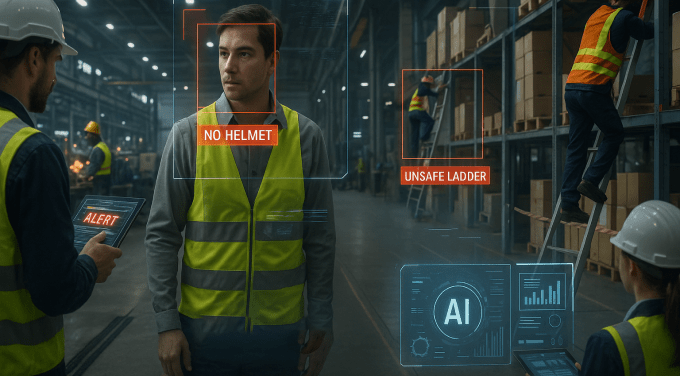
  • Facial recognition or PPE detection systems can work with signage to prompt non-compliant workers to wear safety gear.
  • Predictive analytics can highlight high-risk zones on floor maps based on recent trends.

By connecting signage to smart systems, factories can shift from reactive to predictive safety management.

Benefits at a Glance

Here’s a snapshot of the top advantages of using digital signage software on factory floors:

BenefitsImpact
Real-time communicationMinimizes delays in information flow
Improved safety complianceReduces accidents and increases audit readiness
Enhanced workforce awarenessBoosts productivity through visual KPIs and reminders
Scalability and flexibilityCustomizable for different departments or factory zones
Reduced training timeQuick and consistent delivery of training visuals or SOPs
Data integrationSyncs with ERP, MES, HRMS for dynamic content management

How Nextbrain’s Digital Signage Software Elevates Factory Operations

Nextbrain Technologies stands out as a leading provider of smart industrial solutions, offering robust and intuitive digital signage software for workers safety tailored for manufacturing environments. Their platform is designed to empower factories with real-time, dynamic content delivery that enhances communication and reinforces safety protocols.

Key Features of Nextbrain’s Digital Signage for Manufacturing:

  • Real-time Dashboard Integration
    Seamlessly integrates with ERP, MES, and IoT systems to display live KPIs, machine status, and production data.
  • Emergency Alert Broadcasting
    Instantly disseminates emergency messages, evacuation routes, or alerts in case of system failures or safety threats.
  • Custom Zone-Based Messaging
    Displays location-specific content based on departments—whether it’s the assembly line, packaging, or storage unit.
  • Multilingual Support
    Supports multiple languages and visual symbols to ensure inclusivity for a diverse workforce.
  • Remote Content Management
    Manage and schedule content centrally with drag-and-drop ease across multiple digital screens in the facility.

Proven Impact:

Factories using Nextbrain’s solution have reported:

  • Over 30% improvement in on-floor communication efficiency
  • A marked reduction in safety incidents and non-compliance
  • Enhanced workforce awareness and training participation

By transforming traditional communication into a visually immersive experience, Nextbrain’s digital signage helps factories operate smarter, safer, and more efficiently, paving the way for Industry 4.0 adoption.

Conclusion: Visual Communication as a Pillar of Industrial Excellence

In a rapidly evolving industrial landscape, factories can no longer rely on traditional communication tools to ensure worker safety and operational efficiency. Digital signage software is not just a communication tool—it’s a strategic investment into a safer, smarter, and more agile workforce.

By delivering the right message at the right place and time, digital signage fosters a culture of transparency, awareness, and accountability. Whether it’s improving team coordination, reinforcing safety norms, or responding to emergencies, the role of digital signage in factory environments is indispensable—and will only grow with advancements in AI and IoT integrations.

Looking to transform your factory communication and safety protocols? Contact us today to explore how our digital signage solutions can elevate your operations.
Generative AI: The Next Frontier in Intelligent Logistics & Supply Chain

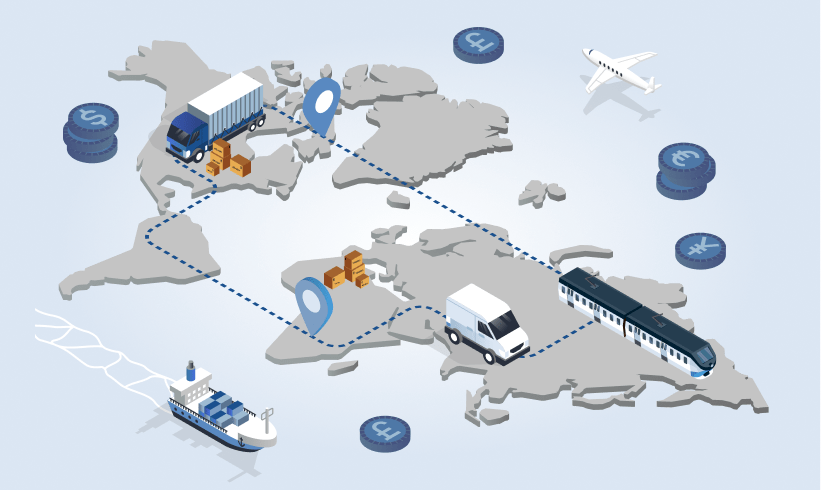
In today’s hyper-connected global marketplace, logistics and supply chain operations face mounting pressure to be faster, smarter, and more cost-efficient. From demand forecasting and inventory management to route optimization and predictive maintenance, every touchpoint is ripe for innovation. Enter Generative AI, a breakthrough technology that is reshaping the way supply chains operate.

Generative AI in supply chain management is rapidly gaining traction as companies seek to improve decision-making, streamline operations, and respond to disruptions in real-time. It’s helping businesses analyze massive datasets, uncover hidden patterns, and generate intelligent strategies that improve logistics performance and resilience.

According to recent studies, over 40% of supply chain businesses are already investing in Generative AI, a number that’s expected to rise sharply in the coming years.

Why Supply Chains Need AI Now More Than Ever

Traditional supply chains are often fragmented, data-heavy, and slow to adapt to disruptions. Generative AI offers a dynamic solution by analyzing vast datasets, recognizing patterns, and generating intelligent strategies that enhance decision-making and operational efficiency.

According to recent studies, over 40% of supply chain businesses are already investing in Generative AI a number that’s expected to rise sharply in the coming years.

What Is Generative AI in Supply Chain Management?

Generative AI refers to a class of artificial intelligence that can generate new data, predictions, or decisions based on the information it learns. In supply chain and logistics, this includes everything from predicting demand and generating optimized delivery schedules to simulating procurement strategies and improving warehouse planning.

At its core, Gen AI transforms traditional workflows by offering real-time, autonomous decision support.

Top Use Cases of Generative AI in Supply Chain & Logistics

1. Predictive Maintenance

AI algorithms monitor equipment performance and detect anomalies to predict mechanical failures before they occur, minimizing downtime and repair costs.

2. Inventory Optimization

Generative AI helps determine optimal stock levels based on demand fluctuations, seasonal trends, and historical data, avoiding both overstock and stockouts.

3. Demand Forecasting

Accurate demand predictions ensure smarter production planning, efficient resource allocation, and better service levels.

4. Route Planning and Delivery Optimization

By analyzing traffic, weather, and delivery schedules, AI generates real-time optimized delivery routes, cutting down on fuel costs and delays.

5. Procurement Automation

Gen AI can automate procurement workflows, suggest the best suppliers, and even simulate negotiations based on past performance.

6. Anomaly Detection

It identifies irregular patterns in logistics processes such as sudden delays or quality issues, enabling faster response and risk mitigation.

Benefits of Generative AI in Supply Chain Operations

  • Enhanced Decision-Making through real-time data insights
  • Reduced Operational Costs via automation and process optimization
  • Greater Resilience with predictive models that anticipate disruptions
  • Faster Response Times with automated alerts and real-time feedback
  • Improved Customer Satisfaction through accurate delivery and inventory management

Before You Implement: Key Considerations

Thinking of integrating Generative AI into your operations? Consider the following:

  • Assess current infrastructure and identify gaps
  • Ensure high-quality data inputs for optimal model accuracy
  • Train teams for a data-driven culture shift
  • Start small, then scale with proven use cases

Why Choose Nextbrain for Generative AI Services?

At Nextbrain, a leading Generative AI development company, we specialize in delivering custom Generative AI solutions tailored specifically for supply chain and logistics operations. Our expert team combines deep industry knowledge with cutting-edge AI technologies to help you achieve measurable business outcomes, such as faster delivery times, optimized inventory, and improved decision-making.

We don’t just develop AI systems—we ensure they seamlessly integrate with your existing workflows, enabling you to scale with confidence and efficiency.

Conclusion

The future of the supply chain is intelligent, automated, and data-driven. Generative AI is not just another tool; it’s a transformative force capable of rewriting the rules of logistics.

If you’re looking to improve your supply chain performance, reduce risks, and boost efficiency, Generative AI is your next step forward.

Let’s Get Started

Ready to take your logistics operations to the next level?
Connect with the AI experts at Nextbrain today. We’ll help you design, develop, and deploy your custom Generative AI solution—built for real-world impact.


FAQs

1. What is the main difference between traditional AI and Generative AI in supply chains?
Traditional AI focuses on pattern recognition. Generative AI not only detects patterns but also generates insights, plans, and forecasts in a dynamic environment.

2. Can Generative AI be used in real-time logistics decision-making?
Yes! Gen AI can analyze live data streams to provide real-time recommendations on routing, inventory, and more.

3. Is Generative AI suitable for small and medium logistics businesses?
Absolutely. With tailored solutions, even SMEs can benefit from scalable, cost-effective AI models that optimize operations.

AI Video Analytics Software for Retail: Understanding Footfall, Dwell Time, and Customer Behavior

In today’s data-driven world, the retail industry is undergoing a transformation fueled by artificial intelligence (AI). Among the most powerful tools in this transformation is AI video analytics software, which offers retailers deep, actionable insights by analyzing surveillance video in real time. From understanding footfall to tracking customer dwell time and behavior, this technology allows businesses to make smarter decisions that boost performance and enhance customer experience.

What is AI Video Analytics Software?

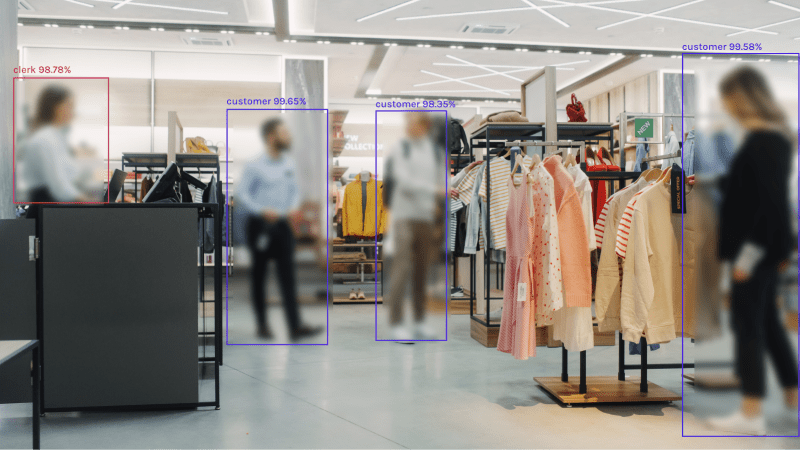
AI video analytics software uses advanced computer vision and machine learning algorithms to analyze video footage and extract meaningful data. Rather than simply recording or displaying video feeds, AI systems can detect, track, and interpret human activity within a store. This capability turns passive surveillance systems into intelligent retail tools that provide insights on crowd density, shopper movements, and engagement patterns.

Understanding Footfall: Why It Matters

Footfall, or the number of people entering a store, is a key performance metric in retail. It serves as a foundation for calculating conversion rates, optimizing staffing levels, and evaluating marketing campaign effectiveness.

How AI Enhances Footfall Counting:

  • Accuracy & Real-Time Insights: Traditional footfall counters like infrared beams or pressure mats often have limitations in accuracy. AI video analytics, on the other hand, uses real-time camera footage to count actual people, even in complex environments with groups or obstructions.
  • Zone-Based Analysis: Retailers can identify which parts of the store attract the most traffic, enabling better product placement and store layout decisions.
  • Time-Based Trends: By analyzing footfall trends over hours, days, or months, stores can optimize staffing and opening hours for maximum efficiency.
  • Integrated Footfall Counting Software: AI-powered footfall counting software combines video intelligence with data dashboards, helping retailers visualize and interpret footfall data effortlessly across multiple locations.

Dwell Time: The Silent Indicator of Engagement

Dwell time is the amount of time a customer spends in a specific area of the store. This metric can be a strong indicator of interest, engagement, or even confusion.

Why Dwell Time is Critical:

  • Product Interest: Longer dwell times near certain products may indicate high interest, which can guide inventory decisions and promotional focus.
  • Layout Optimization: If customers consistently spend less time in certain sections, it may suggest a problem with layout, signage, or product arrangement.
  • Queue Management: High dwell time at checkout counters can indicate long wait times, prompting a need for additional staff or self-checkout options.

AI-Powered Dwell Time Monitoring:

AI video analytics software can automatically detect when a person enters a predefined area and calculate the time they remain there. This allows for:

  • Heatmap visualization of store engagement
  • Alerting staff to unattended customers or long queues
  • Analyzing customer flow for seasonal or promotional events

Decoding Customer Behavior with AI

Understanding customer behavior is essential for creating a more personalized and frictionless shopping experience. AI video analytics enables behavioral insights far beyond what manual observation or surveys can deliver.

Key Behavioral Insights:

  1. Path Mapping
    AI tracks the movement patterns of customers across the store, helping retailers identify which areas are frequently visited and which are ignored. This informs better product placement and signage strategies.
  2. Product Interaction Detection
    AI systems can detect when a customer picks up, examines, or puts back a product. This data helps understand product appeal and customer hesitations.
  3. Demographic Segmentation
    Advanced video analytics can estimate demographics such as age group, gender, and emotion using facial analysis (while adhering to privacy standards). Retailers can tailor campaigns or in-store promotions accordingly.
  4. Group vs. Individual Behavior
    The software can differentiate between individuals and groups (e.g., families or friends shopping together), enabling more accurate footfall and behavior analysis.

Benefits of AI Video Analytics in Retail

1. Improved Customer Experience

By analyzing customer journey data, retailers can remove pain points such as poor signage, confusing layouts, or long queues, making the shopping experience smoother and more enjoyable.

2. Enhanced Marketing Effectiveness

AI video analytics helps measure how effective displays and campaigns are in drawing attention. Retailers can make data-driven adjustments to in-store marketing based on what works.

3. Optimized Store Layout

Data from dwell times and movement patterns can inform intelligent store layouts that encourage exploration and purchasing.

4. Data-Driven Staffing

Retailers can adjust staffing levels based on peak traffic times, reducing labor costs and improving service efficiency.

5. Loss Prevention & Security

Apart from customer insights, AI video analytics software also helps detect suspicious behavior, loitering, or theft attempts in real time, offering dual value as a security and business intelligence tool.

Use Cases Across Retail Environments

Supermarkets & Hypermarkets

  • Monitor high-traffic aisles
  • Identify bottlenecks in checkout zones
  • Track promotional zone engagement

Shopping Malls

  • Evaluate brand performance in different sections
  • Analyze footfall for rent pricing and tenant insights
  • Manage crowd control during sales or festive events

Fashion Retail

  • Detect fitting room usage and waiting times
  • Understand interest in new seasonal collections
  • Track display window performance

Addressing Privacy and Ethical Concerns

With great data power comes the need for responsible usage. AI video analytics software must:

  • Comply with GDPR or local data protection regulations
  • Anonymize or blur faces when not required
  • Avoid biometric storage unless absolutely necessary
  • Be transparent with signage about video surveillance and analytics

Retailers adopting AI video analytics should work with ethical vendors who prioritize data privacy, transparency, and compliance.

Future Outlook: The Rise of Smart Retail

As retail increasingly blends physical and digital experiences, AI video analytics software is becoming a core technology in creating “smart stores.” Integration with POS systems, inventory management, and even mobile apps is creating a new ecosystem where customer behavior directly influences store strategies in real-time.

Retailers who invest in AI-driven insights today will have a competitive edge tomorrow, not only in operational efficiency but also in customer loyalty and satisfaction.

Conclusion

AI video analytics software is transforming how retailers understand footfall, dwell time, and customer behavior. This intelligent technology goes far beyond traditional CCTV systems, offering real-time, actionable insights that empower data-backed decisions. Whether it’s optimizing layouts, improving service quality, or enhancing marketing campaigns, AI is at the heart of the next-gen retail experience.

By integrating tools like footfall counting software, retailers can harness the full power of video analytics and drive business growth with clarity, confidence, and efficiency. Implementing AI video analytics software for retail industry ensures not just operational excellence but also delivers a more personalized, secure, and engaging customer journey, ultimately setting the stage for long-term success in a highly competitive market.

Prevent Unsafe Behavior at Work: Empower Safety with AI Video Analytics

Workplace safety has always been a critical concern, especially in high-risk environments such as manufacturing plants, warehouses, construction sites, and logistics hubs. In these sectors, workers are consistently under pressure, often surrounded by hazardous equipment, vehicles, and materials. Unfortunately, under such demanding circumstances, safety protocols are sometimes overlooked. Recent research indicates that over 88% of workplace accidents are attributed to human error, manual oversights, or vulnerable behaviors.

Such oversights not only pose life-threatening risks but also contribute to a deteriorating workplace culture. The consequences of ignoring safety guidelines are not limited to physical injuries but also extend to legal liabilities and operational disruptions. This is where AI-powered safety solutions can make a transformative difference.

The Role of AI in Workplace Safety

AI technologies, especially computer vision, generative AI, and AI video analytics software, have ushered in a new era of workplace safety. These technologies are revolutionizing safety standards by proactively monitoring unsafe behaviors, detecting unauthorized access, and analyzing workplace dynamics in real-time. Through advanced surveillance and automation, AI generates actionable insights to prevent accidents before they escalate.

In this blog, we explore how AI-driven safety solutions are redefining modern workplace standards, with a focus on identifying vulnerable behaviors, enabling real-time alerts, and facilitating a proactive safety culture.

Identifying Common Unsafe Behaviors at Workplaces

Understanding the types of behaviors that lead to workplace incidents is the first step toward building a safer environment. Some of the most common unsafe practices include:

1. Lack of Personal Protective Equipment (PPE)

Failing to wear PPE in high-risk zones, such as helmets, gloves, or safety goggles, significantly increases the chances of injury. Workers must be compliant with PPE regulations at all times.

2. Unauthorized Zone Entry

Restricted zones are often demarcated for safety reasons. Workers entering these areas without proper authorization put themselves and others at serious risk.

3. Improper Use of Machinery

Operating machines without adequate training or ignoring safety protocols leads to mechanical failures and serious injuries.

4. Incorrect Lifting Techniques

In environments like warehouses and construction sites, lifting heavy materials without following proper techniques can result in severe musculoskeletal injuries.

5. Distraction from Mobile Phones

Mobile phone usage during work hours, particularly around machinery, leads to distraction-related accidents and unsafe outcomes.

6. Aggressive or Unsafe Behavior

Workplace aggression or carelessness, like rushing tasks, ignoring protocols, or horseplay—can quickly escalate into dangerous situations.

How Nextbrain’s AI-Powered Behavior Safety Solution Helps

Nextbrain Technologies has developed an advanced behavior safety software powered by computer vision for workplace safety, designed to monitor, detect, and respond to unsafe behaviors across industrial environments in real time.

From food manufacturing units to large-scale construction sites, Nextbrain’s Vision AI platform offers a comprehensive safety monitoring system that enhances operational efficiency while ensuring worker protection.

Key Features and Real-World Use Cases

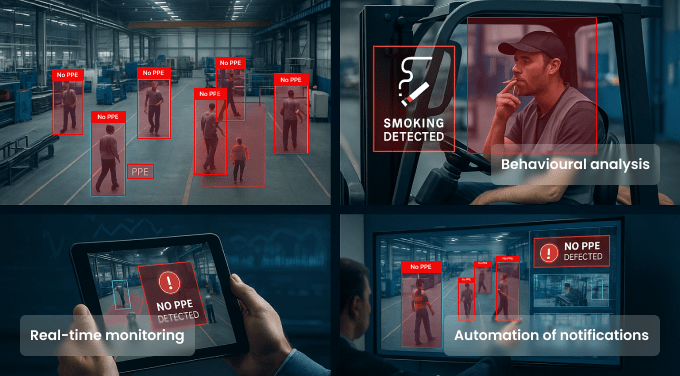
1. Behavioral Analysis

AI models are trained on specific datasets to detect and interpret human behavior patterns. For instance, if a driver is observed smoking while operating a vehicle, the system flags this as a safety violation and alerts supervisors immediately. The software can also recognize repeated behavioral patterns to assess risk levels over time.

2. Real-Time Monitoring

AI video analytics software enables 24/7 surveillance of the workplace. It constantly observes workers, machinery zones, and restricted areas. The system can identify unauthorized entries or violations like workers entering without PPE and trigger instant alerts to management for corrective action.

3. Automated Alert Mechanisms

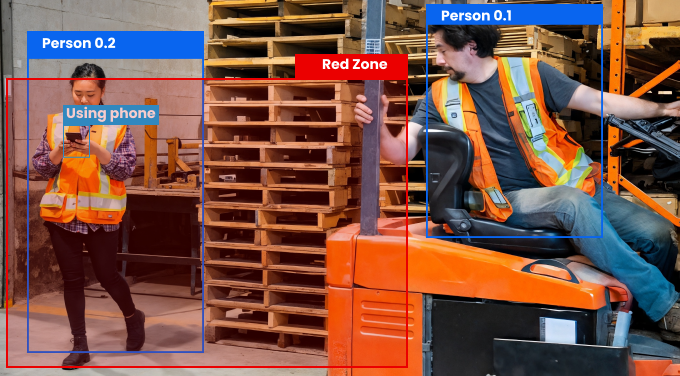
Once unsafe behavior is detected, the system sends real-time notifications to the concerned authorities. For example, in a manufacturing unit, if an employee enters a red zone without proper gear, the system automatically alerts the safety officer for immediate intervention.

4. Predictive Hazard Detection

Leveraging generative AI, the system can analyze ongoing activities and past incidents to predict future hazards. This proactive approach enables organizations to plan maintenance schedules, update safety protocols, and improve training processes to minimize risks.

The Transformational Impact of AI on Workplace Culture

AI isn’t just about automation, it is about cultivating a culture of safety and accountability. Organizations that adopt AI video analytics benefit from:

  • Reduced Workplace Accidents: Through continuous monitoring and immediate feedback.
  • Improved Compliance: Enforcing safety protocols across departments and shifts.
  • Cost Savings: Fewer accidents mean lower insurance costs, reduced downtime, and minimal legal implications.
  • Operational Efficiency: Ensuring that only trained personnel handle critical machinery and tasks.

Integration and Customization Capabilities

One of the standout features of Nextbrain’s safety solution is its seamless integration with existing camera systems and operational software. There’s no need to overhaul existing infrastructure; the AI software adapts to current setups, ensuring quick deployment and minimal disruption.

Whether it’s an SME or a large enterprise, organizations can scale the solution to suit their specific safety goals. Additionally, Nextbrain offers customization options that align with industry-specific requirements, making it ideal for logistics, food production, construction, and manufacturing sectors.

Conclusion

As industries continue to grow and workplace environments become more dynamic and demanding, ensuring worker safety has never been more important. AI-powered systems are no longer optional but essential tools for protecting workers, improving efficiency, and maintaining regulatory compliance.

At Nextbrain, we are committed to revolutionizing workplace safety by leveraging cutting-edge technologies like AI video analytics software, computer vision, and generative AI. From detecting unsafe behaviors to preventing serious accidents, our solutions are designed to secure work environments across industries.

Ready to Futureproof Your Workplace?

Looking to deploy AI in your safety operations? Connect with Nextbrain to explore how our AI-driven solutions can transform your workplace safety protocols and foster a secure, compliant, and productive environment.


Frequently Asked Questions (FAQs)

1. What is AI video analytics software?
AI video analytics software uses artificial intelligence to analyze video streams in real time. It detects anomalies, identifies patterns, and provides alerts for unsafe behavior, unauthorized access, and operational inefficiencies.

2. How does Nextbrain’s software enhance workplace safety?
Nextbrain’s AI-powered solution continuously monitors workplace activity, detects vulnerabilities, and sends real-time alerts. It minimizes human error, enforces compliance, and enhances situational awareness across facilities.

3. Can generative AI be used for workplace safety?
Yes. Generative AI can predict potential hazards, identify unsafe trends, and recommend preventive actions, thus enhancing workplace safety management systems.

4. Is the software compatible with existing systems and surveillance cameras?
Absolutely. Nextbrain’s computer vision AI integrates smoothly with current camera setups and safety systems, enabling organizations to modernize their safety protocols without replacing existing infrastructure.

Enhancing Industrial Safety: How Red Zone Monitoring with Computer Vision is Transforming Workplace Protection

As businesses continue evolving toward automation and smart technologies, safety concerns in industrial environments are becoming more complex and critical. Organisations around the world are focusing on reducing risks, enhancing compliance, and protecting their workforce. According to a recent survey, more than 39% of organisations prioritize workplace safety to prevent costly accidents and operational disruptions. With this shift, advanced technologies like computer vision are playing a significant role in reinforcing Environmental, Health, and Safety (EHS) systems.

Industrial facilities, especially those involving automated systems, robotics, or hazardous processes, are prone to accidents and falls. In the United States alone, over 2 million non-fatal injuries were recorded in 2023. As a result, organisations are adopting intelligent solutions to proactively monitor their operations and respond to incidents in real time. One of the most impactful technologies in this space is Red Zone Monitoring powered by Computer Vision, which provides effective safety oversight in high-risk areas.

Understanding Red Zone Monitoring and Computer Vision

Computer Vision, a subset of Artificial Intelligence (AI), enables machines to interpret and process visual data. In industrial settings, it plays a crucial role in Computer Vision in Industrial Safety by continuously monitoring environments, detecting hazards, ensuring regulatory compliance, and raising real-time alerts about unsafe behavior.

Red Zones are specific areas within a facility that carry heightened safety risks due to ongoing hazardous activities, heavy machinery, or limited access requirements. These zones require strict monitoring because even a small human error can result in severe consequences. Using computer vision in these zones ensures continuous oversight, helping mitigate risks proactively.

Why Computer Vision Matters in Red Zone Monitoring

Traditional manual safety monitoring often fails due to human error or fatigue. Computer vision systems integrate with existing CCTV infrastructure and provide seamless surveillance, identifying breaches, PPE (Personal Protective Equipment) violations, and unauthorized access. They operate 24/7 without fatigue, ensuring consistent vigilance.

Key functions include:

  • Identifying whether workers are wearing appropriate safety gear.
  • Detecting entry into restricted areas.
  • Recognizing hazardous behavior and environmental anomalies.
  • Sending automated alerts for immediate intervention.

By analysing video data in real-time, these AI systems act as digital eyes on the ground—preventing incidents before they escalate.

Vision AI’s Role in Industrial Safety

1. Real-time Safety Protocol Compliance

Vision AI actively monitors for compliance with protocols, such as PPE use and hygiene standards. If a worker enters a red zone without proper equipment, the system flags the violation immediately and notifies safety personnel.

2. Detection of Unsafe Behavior

Any suspicious or risky behavior—such as loitering near hazardous equipment or improper handling of tools—is instantly detected. Alerts are sent to supervisors for rapid response, preventing potential incidents.

3. Fall and Collision Prevention

In environments like construction or manufacturing, where workers interact with machinery, Vision AI detects proximity breaches and alerts individuals to prevent accidents. This is particularly useful in areas with moving equipment like forklifts or robotic arms.

4. Equipment Monitoring and Predictive Maintenance

AI systems monitor machinery for signs of malfunction, overheating, or wear and tear. Predictive maintenance reduces downtime and ensures safer operations, preventing equipment failure-related injuries.

Industry Applications of Red Zone Monitoring

Construction

Construction sites are dynamic and high-risk, involving cranes, scaffolding, excavation, and moving equipment. Computer vision tracks site conditions, flags unauthorised access, and monitors compliance with safety standards. For example, if a worker enters a crane operation zone without PPE, the system alerts both the worker and the supervisor.

Oil & Gas

This sector faces one of the highest occupational risks. Red zones often include drilling platforms, flammable substance storage, and high-pressure systems. Computer vision monitors these areas for leaks, unsafe behavior, or unauthorised personnel, thereby reducing exposure to potentially catastrophic events.

Manufacturing

Manufacturing environments include automated assembly lines, fast-moving machinery, and robotic systems. Red zone monitoring powered by vision AI ensures workers comply with PPE mandates and avoids unauthorized access. Real-time alerts prevent accidents and reduce operational disruption.

Warehousing & Logistics

Logistics hubs involve constant motion—forklifts, conveyors, and human operators share the same space. Vision AI improves safety by tracking worker movements, identifying risky behavior like standing too close to moving machinery, and ensuring visibility gear is worn.

Healthcare

In hospitals and laboratories, safety concerns revolve around hygiene, infection control, and compliance. Computer vision ensures PPE usage, monitors access to restricted areas, and detects unsafe interactions that could lead to contamination or biohazard exposure.

Why Businesses are Turning to Vision AI for Safety

With manual oversight proving insufficient in high-risk, complex environments, computer vision offers a scalable, automated solution. Vision AI helps:

  • Minimize accidents and liabilities.
  • Improve regulatory compliance.
  • Optimize safety team resources.
  • Enable data-driven decision-making with real-time insights.

Companies that prioritise workplace safety are increasingly turning to smart solutions like these to secure both infrastructure and personnel.

Nextbrain’s Role in Workplace Safety with Vision AI

At Nextbrain, we develop intelligent computer vision solutions tailored for modern industrial safety needs. Our AI Video Surveillance software integrates advanced AI algorithms that ensure precision, speed, and adaptability across complex environments. From predictive maintenance to red zone monitoring, our technology equips businesses with the ability to make data-driven safety decisions.

Key features of Nextbrain’s vision AI systems include:

  • High-accuracy real-time video analytics.
  • Automated compliance checks and alerts.
  • Industry-specific configurations (e.g., for manufacturing, healthcare, or construction).
  • Scalable, secure infrastructure.

Whether it’s monitoring PPE compliance or detecting potential hazards before they escalate, our platform is engineered to ensure workplace safety with maximum efficiency.

Conclusion

Red zones—high-risk areas in industrial settings—demand constant, accurate monitoring. Traditional methods often fall short in identifying every potential hazard or behavioral anomaly. This is where computer vision comes in, offering unparalleled visibility and real-time risk mitigation. From construction to healthcare, Vision AI is helping organisations make safety proactive rather than reactive.

As industries continue to embrace automation, integrating computer vision into safety infrastructure isn’t just a trend—it’s becoming a necessity.

Thinking of implementing Vision AI for red zone monitoring in your facility? Let Nextbrain help you build a safer, smarter workplace.

Frequently Asked Questions

What is a red zone in industrial facilities?
A red zone is a designated high-risk area within a workplace where the potential for accidents or hazardous exposure is significantly higher. Access is typically restricted and monitored closely.

How does computer vision improve safety?
By analyzing live video feeds using AI algorithms, computer vision detects unsafe behavior, PPE violations, and unauthorised access in real time, enabling immediate response and preventing accidents.

How does the system work?
The system captures visual data via IP cameras, processes it through AI algorithms, and sends alerts when risk conditions or policy violations are detected.

Why choose Nextbrain’s vision AI solution?
Nextbrain’s model ensures high precision, fast response, and robust performance across industries. Our computer vision technology is tailored for real-time surveillance, predictive analytics, and decision-making—offering full safety coverage for critical work zones.

Let me know if you’d like this content adapted into a downloadable PDF, blog format, or SEO-optimized web page.

Why the Bottled Water Industry Needs Computer Vision AI for Quality Control

In today’s rapidly advancing industrial landscape, every sector is embracing the transformative power of computer vision AI. So, why should the bottled water industry be left behind? Bottled water brands are under immense pressure to maintain flawless production and meet the ever-growing demand for high-quality hydration solutions. Gone are the days when quality inspection involved manually examining every single bottle. Today, the challenge lies in consistently upholding superior quality standards to ensure consumer safety, brand reputation, and regulatory compliance.

The bottled water market is booming, currently valued at nearly $302 billion globally, with projections indicating a compound annual growth rate (CAGR) of 5.5% through 2031. As competition intensifies, brands are turning to advanced technologies to maintain a competitive edge. In this article, we explore the critical role of bottle quality and how computer vision AI is revolutionizing quality control mechanisms, driving efficiency, and enhancing brand value.

Importance of Bottled Water Quality in a Competitive Market

Maintaining bottled water quality is more crucial than ever in a market flooded with choices. Here are key reasons why quality control is indispensable:

1. Consumer Safety

Providing safe, clean drinking water is the foundation of consumer trust. Contaminants or defects can harm customers and permanently damage a brand’s reputation.

2. Quality Differentiator

Computer vision for bottle quality control empowers brands to distinguish themselves in an oversaturated market. It ensures product consistency, which becomes a major differentiator for quality-conscious consumers.

3. Brand Reputation & Trust

Quality consistency helps establish a brand as reliable. Maintaining high standards builds consumer trust and protects the brand image from negative publicity or backlash.

4. Regulatory Compliance

Stringent industry standards and regulations require companies to ensure quality across all production phases. Vision AI aids in compliance, helping avoid penalties and legal challenges.

5. Financial Protection

Detecting defects early reduces product waste and prevents costly product recalls, safeguarding financial health and operational stability.

6. Long-Term Customer Loyalty

When customers trust a brand for its consistent quality, they are more likely to return. Vision AI helps in sustaining product excellence and customer satisfaction.

7. Operational Efficiency

Automating inspection processes through computer vision AI improves production line efficiency and resource optimization, leading to faster and more accurate operations.

How Computer Vision Helps in Automating Bottling Inspections

Computer vision AI enhances quality control by replacing traditional manual inspection methods with automated, high-precision systems. Here’s how it transforms various inspection stages:

1. Bottle Cap Inspection

Sealed bottles are non-negotiable for bottled water safety. Vision AI detects improperly sealed caps—including screw caps, tamper-evident caps, and push-pull caps. From detecting misplaced caps to identifying material flaws, Vision AI systems are trained to detect a variety of defects and adapt to future anomalies.

2. Bottle Fill Check

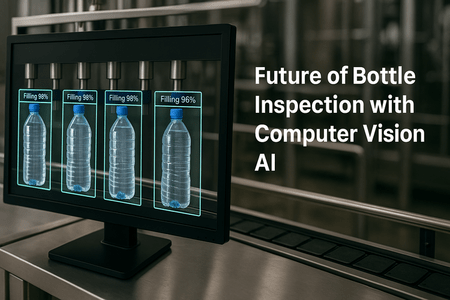
Manual checks of fill levels are often inaccurate. Vision AI systems can precisely measure the fill level of every bottle in real-time. Underfilled bottles may hurt brand reputation and customer satisfaction. AI eliminates this issue by ensuring each bottle meets volume specifications.

AI systems employ cameras installed along production lines, capturing images of moving bottles. These images are analyzed using machine learning algorithms to identify deviations in the manufacturing process.

3. Label Placement & Bottle Pack Print Check

Labels contain crucial information such as contents, batch numbers, and manufacturing dates. Computer vision AI ensures accurate label placement, alignment, and legality. Advanced systems even read and verify label content. This helps maintain packaging consistency, simplifies inventory management, and supports logistics operations—sometimes even enabling drone-based automation.

4. Contamination & Foreign Body Detection

Even the smallest foreign particles in bottled water can compromise safety. Computer vision systems, equipped with advanced imaging capabilities, detect tiny contaminants that might be missed by human inspectors. This ensures only pure, defect-free bottles are dispatched.

5. Structural Defect Detection

Bottles with cracks or deformities pose serious safety hazards. Vision AI systems detect such defects using multi-angle camera setups. Bottles are examined from different viewpoints to catch cracks, weak points, or manufacturing inconsistencies—significantly minimizing product defects.

6. Colour Inspection

AI-powered computer vision systems can inspect the color and transparency of the bottle or the liquid inside. This helps manufacturers maintain visual consistency and identify any unusual compositions or material usage issues, ensuring a uniform product appearance.

7. Seal Integrity Verification

Manual inspection for seal integrity is labor-intensive and error-prone. Computer vision AI systems provide high-resolution imaging to detect leaks, cracks, deformities, and pinholes. Deep learning algorithms improve detection accuracy over time, enhancing seal reliability and overall product safety.

Harnessing AI-Enabled Computer Vision for Bottle Inspection & Quality Control

Vision AI technology combines the power of computer vision and deep learning algorithms to automate bottle inspections. These systems use high-resolution cameras and sophisticated algorithms to scrutinize every inch of the bottle for defects, dimensional issues, and contaminants.

Major beverage companies like PepsiCo and Frito-Lay are already leveraging Vision AI to streamline their production lines and reduce defect rates. PepsiCo, for instance, uses machine learning across its supply chain to improve operational efficiency and maintain product quality.

Final Thought: Vision AI in Bottle Inspection

As industries worldwide integrate computer vision AI into their operations, the bottled water sector is rapidly evolving to meet consumer demands for quality and safety. Today’s consumers are more conscious about what they consume and demand uncompromising standards in bottled water. With these growing expectations, traditional inspection methods fall short.

At Nextbrain, we specialize in developing AI video analytics software and computer vision AI solutions tailored for the packaging and manufacturing industries. Our technologies are crafted to help companies across the globe stand out by maintaining exceptional quality control and operational efficiency.

With Vision AI, bottled water inspection has reached new levels of automation, precision, and reliability. It’s no longer a tedious, error-prone task but a streamlined process that guarantees product integrity and consumer satisfaction.

Interested in exploring Vision AI for your bottling operations? Reach out to our professionals at Nextbrain and discover how AI technologies can revolutionize your quality control processes.

Object Detection with AI: A Comprehensive Guide to Its Applications, Tools, and Use Cases

Object detection, a pivotal branch of computer vision, enables machines to identify and locate objects within digital images or video feeds. Powered by advanced artificial intelligence (AI) and deep learning algorithms, object detection technology is transforming multiple industries by enhancing safety, precision, efficiency, and automation. From spotting suspicious objects to counting people in crowded areas, AI-driven object detection is proving its value in real-world scenarios.

In this blog, we’ll explore what AI-powered object detection is, how it works, its wide-ranging applications, leading tools, and notable use cases that demonstrate its growing influence across sectors.

What Is Object Detection Powered by AI?

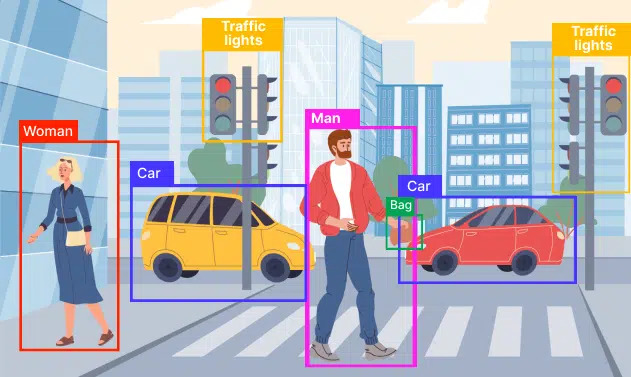
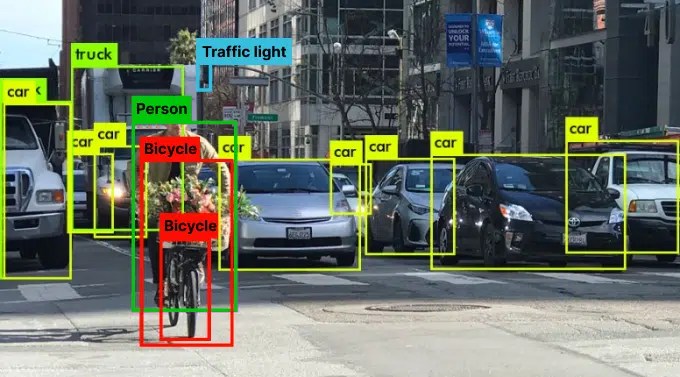
At its core, AI Object Detection is the capability that allows a computer to recognize and localize various objects in an image or video stream. Unlike simple image classification, which labels an entire image, AI Object Detection assigns labels to individual objects and pinpoints their locations within a frame.

The technology functions similarly to human perception—trained on vast datasets, AI learns to identify different types of objects, such as vehicles, people, machinery, or safety gear. Once trained, these systems can interpret and analyze new, unseen data in real-time, offering insights and automation capabilities that were previously out of reach.

How Does Object Detection Work?

Object detection is driven by two primary branches of artificial intelligence: machine learning (ML) and deep learning (DL). These systems rely on large amounts of annotated image or video data to train models. During this training process, the AI learns the characteristics of various objects, such as their shapes, textures, and patterns.

Deep learning models, particularly convolutional neural networks (CNNs), are widely used for object detection. Once trained, these models can identify new objects based on previously learned visual cues. Over time, with continuous learning, the AI improves in accuracy and adaptability.

Leveraging real-time computer vision, AI can monitor live video feeds, identify objects instantly, and trigger automated actions or alerts. The technology is often integrated with image segmentation, behavior analysis, number plate recognition, and tracking to deliver comprehensive, intelligent solutions.

Key Applications of Object Detection Across Industries

AI-enabled object detection is now a key component in several industrial applications, reshaping how businesses operate and make decisions.

1. Manufacturing: Defect Detection

In manufacturing, quality assurance is crucial. Object detection systems can identify defects or inconsistencies in machine parts and finished goods. By analyzing visual data, these systems spot cracks, alignment issues, or wear and tear, ensuring only high-quality products reach customers. This proactive monitoring helps avoid costly recalls and boosts customer trust.

2. Workplace Safety: PPE Detection

Ensuring worker safety in industrial settings is essential. Object detection AI can recognize whether workers are wearing required PPE such as helmets, goggles, safety vests, and masks. If safety gear is missing, the system can immediately alert supervisors, helping reduce the number of workplace accidents. With industrial safety becoming a priority, these smart systems play a vital role in enforcing safety compliance.

3. Smart Cities: Real-Time Urban Monitoring

Traffic Monitoring

Smart cities rely heavily on AI video analytics to manage traffic flow and reduce congestion. Object detection can analyze live traffic footage to detect bottlenecks, accidents, or violations. Real-time insights allow traffic control teams to make quick decisions and reduce delays.

Parking Management

By identifying vacant parking spaces using cameras and AI, object detection software can streamline urban parking systems. Real-time data helps drivers find available spaces, minimizing unnecessary driving and reducing emissions.

People Counting

Shopping malls, public transport stations, and event venues benefit from people counting capabilities. Object detection can track the number of individuals in a space, aiding crowd management, improving customer service, and ensuring safety protocols are followed.

4. Healthcare: Advanced Diagnostics

In the healthcare sector, object detection contributes significantly to medical imaging. It assists radiologists in identifying tumors, fractures, or abnormal growths. By flagging anomalies early, AI helps doctors make faster and more accurate diagnoses, leading to improved patient outcomes.

5. Autonomous Vehicles: Safe Navigation

Self-driving cars use object detection to identify pedestrians, other vehicles, road signs, and obstacles. This capability ensures the car can navigate safely and make decisions in real-time, reducing the chances of accidents and supporting smarter urban mobility.

6. Video Surveillance: Enhanced Security

Modern surveillance systems integrate object detection to identify unauthorized entries, detect suspicious behavior, and monitor facility activities. Whether in retail stores or manufacturing plants, AI-powered surveillance enhances security, operational efficiency, and employee productivity.

Leading Object Detection Tools & Frameworks

Developers and AI engineers use several cutting-edge tools to build and deploy object detection models:

  • YOLO (You Only Look Once): Known for its speed and accuracy in real-time object detection.
  • TensorFlow Object Detection API (by Google): Offers a collection of pre-trained models and tools for creating customized object detection applications.
  • PyTorch: A flexible deep learning framework often used for building custom models.
  • OpenCV: A powerful open-source library for image processing and computer vision tasks.
  • Microsoft Azure Computer Vision: Provides cloud-based tools and APIs for object detection and other AI vision tasks.

Each of these tools offers unique capabilities, helping businesses build efficient and scalable object detection systems.

Notable Industry Use Cases of AI Object Detection

Retail: Automated Inventory Management

Retail businesses use AI video analytics software for managing inventory automatically. Object detection can track shelf stock levels in real-time, update inventory records, and notify staff about low-stock items, leading to better customer satisfaction and optimized supply chain management.

Automotive: Smarter Navigation

Autonomous vehicle systems integrate object detection to recognize road users and environmental features. This capability ensures safer travel, accurate routing, and seamless traffic navigation, making roads safer and transportation more efficient.

Security Agencies: Intrusion Detection

Government and private security agencies leverage object detection to monitor restricted areas. These systems detect unauthorized access, loitering, or suspicious items and instantly alert security personnel, enhancing situational awareness.

Agriculture: Livestock & Crop Monitoring

In agriculture, AI video analytics helps monitor livestock and detect early signs of disease, nutrient deficiency, or pest infestation. Object detection ensures precision farming practices, resulting in better crop yields and reduced losses.

Final Thoughts

AI-powered object detection is revolutionizing how businesses approach safety, efficiency, and automation. With tools like TensorFlow, YOLO, and OpenCV, developers can build powerful, intelligent systems capable of identifying and localizing objects in real-time. Whether it’s improving road safety with autonomous vehicles, enhancing workplace safety with PPE detection, or streamlining retail inventory with smart cameras, the potential of object detection continues to grow.

At Nextbrain, a leading AI development company, we specialize in building innovative computer vision solutions tailored to various industries. Our expertise spans object detection, machine learning, deep learning, and AI video analytics, helping clients accelerate their digital transformation journeys.

Get in touch with our team to learn how you can implement custom AI object detection solutions for your business needs.

Exploring the Role of AI in Video Data Analytics for Smart City

As the world undergoes a massive digital transformation, cities too are embracing the revolution. The rise of smart cities is a testament to the power of technology in reshaping urban living, enhancing public services, and improving the overall quality of life for residents. One of the most impactful technological advancements driving this transformation is AI-powered data analytics. By embedding artificial intelligence into the urban fabric, smart cities are becoming more responsive, efficient, and secure.

Among the many applications of AI in smart cities, footfall analytics and people counting software stand out as game-changers. These technologies, powered by advanced video analytics, are instrumental in understanding human movement, managing urban spaces, and optimizing resource allocation. At Nextbrain, we specialize in designing and developing cutting-edge AI video analytics software that redefines how data is leveraged in smart cities.

Leveraging People Counting Sensors for Actionable Urban Insights

In the context of urban planning and management, knowing how people move within a city is invaluable. People counting software, supported by intelligent sensors and AI algorithms, plays a crucial role in monitoring foot traffic across different zones—such as transit hubs, shopping areas, public parks, and administrative buildings.

By collecting accurate data on pedestrian movement, city planners gain deep insights into congestion points, crowd patterns, and peak usage hours. This empowers governments and local bodies to make data-driven decisions that improve public safety, mobility, and infrastructure utilization. Whether it’s optimizing the flow of pedestrians or evaluating the success of public events, people counting technology ensures smart cities remain agile and responsive to changing dynamics.

Unlocking the Potential of Footfall Analytics

Footfall analytics has emerged as a key tool in understanding visitor behavior and movement across public spaces. Through the strategic placement of AI-powered cameras and sensors, city administrators can analyze patterns in visitor frequency, demographic distribution, popular routes, and even the duration of visits.

This wealth of data facilitates smarter decision-making across various domains—from retail strategy optimization to transport planning. For instance, analyzing footfall patterns can help retail businesses align their marketing campaigns with customer behavior, while city officials can use the same data to enhance public transportation routes or improve pedestrian walkways.

At Nextbrain, we build robust footfall analytics solutions that offer a comprehensive understanding of real-time urban dynamics—contributing to smarter resource deployment and better citizen experiences.

Enhancing Urban Security Through AI Video Analytics

Security has always been a fundamental pillar of smart city planning. Modern AI video analytics software has evolved to do much more than just record footage—it actively interprets video data in real time. Through features like facial recognition, object detection, and behavioral analysis, AI-powered surveillance systems can preemptively identify potential threats and respond to emergencies faster than traditional methods.

Smart video analytics can detect abnormal behavior, track suspicious activity, and alert authorities in real time. In addition to enhancing public safety, this technology supports crime prevention, aids in post-incident investigations, and helps in monitoring large crowds during public events.

Furthermore, these systems can detect smoke or fire early, automatically trigger alerts, and dispatch emergency response teams—potentially saving lives and minimizing property damage. At Nextbrain, our expertise in smart surveillance software development empowers cities to adopt more intelligent and proactive safety mechanisms.

Revolutionizing Traffic and Parking Management

Managing urban traffic remains one of the biggest challenges in today’s growing cities. Traffic congestion not only affects productivity but also leads to increased pollution and stress levels. AI-based smart traffic monitoring systems use real-time video feeds to analyze vehicle flow, detect bottlenecks, and even predict traffic jams before they happen.

AI video analytics for smart cities plays a critical role in regulating traffic lights, enforcing digital speed limits, and minimizing wait times at intersections. Automated data from surveillance cameras can be used to reroute traffic during peak hours or emergencies.

Similarly, smart parking management systems utilize video analytics and IoT sensors to detect available parking spaces, reduce search time, and streamline entry/exit processes. This reduces overall congestion and improves the efficiency of urban transportation systems.

Intelligent Queue Management and Public Mobility

Public services—such as transportation, healthcare, and government offices—often struggle with crowd management. Video surveillance systems equipped with AI can ease the burden by facilitating efficient queue management. By analyzing live foot traffic data, these systems can predict peak hours, manage waiting lines, and improve the layout of service areas like cycle paths and bus stops.

This results in a smoother flow of people and better customer experiences in public institutions. Moreover, these insights help in maintaining regulatory compliance and ensuring social distancing during health emergencies like pandemics.

Smarter Buildings and Occupancy Monitoring

The next wave of smart city innovation lies in smart building management. Using AI and video analytics, cities can monitor building occupancy, generate heat maps of crowd movement, and detect threshold breaches in real time. These insights not only enhance operational efficiency but also support energy conservation, safety compliance, and better space utilization.

Video data collected from surveillance systems can be analyzed to generate actionable insights such as identifying underutilized areas or scheduling cleaning and maintenance based on usage.

Real-Time Behavioral Analysis and Access Control

AI has empowered surveillance systems to understand human behavior with incredible precision. Behavioral analysis in public spaces can detect anomalies—such as loitering, aggression, or erratic movements—that may indicate criminal activity or public disturbances. When such behavior is identified, the system can instantly trigger alerts to law enforcement or emergency responders.

Additionally, AI-driven facial recognition can be used for access control, ensuring that only authorized individuals enter restricted zones. These technologies are vital in maintaining safety across schools, corporate campuses, transportation hubs, and government buildings.

The Future of AI-Powered Surveillance in Urban Spaces

As surveillance technology continues to advance, its role in smart cities is becoming more diverse. Beyond security, modern surveillance contributes to citizen comfort, environmental monitoring, and urban planning. Cameras are now integrated with data analytics tools that help decision-makers gain a real-time understanding of city operations.

With the right infrastructure, smart cameras can serve as the backbone for a connected and responsive city—driving sustainability, efficiency, and innovation across sectors.

Conclusion

Smart cities are no longer a futuristic vision—they are becoming a reality, driven by powerful AI technologies like footfall analytics, people counting software, and AI video analytics for smart cities. These technologies are revolutionizing how cities function, from traffic control and safety management to infrastructure planning and public service delivery.

At Nextbrain, we are proud to be at the forefront of this transformation, delivering intelligent AI video analytics software solutions tailored to the evolving needs of smart urban environments. With the power of real-time data, smart surveillance, and AI-driven insights, cities can unlock new levels of performance, sustainability, and quality of life for their citizens.

Next-Gen Manufacturing: How Generative AI is Redefining Production Processes

The diverse industrial sectors are playing at the forefront of embracing technological advancements from the outset of mechanization to the modern era of industry. Several emerging technologies are driving the industry revolution nowadays. Holding hands with generative AI, the traditional manufacturing struggles of supply chain disruptions are replaced by automation. Generative AI is paving the way for enhanced productivity, improved customer service and a unique ecosystem—Gen AI in manufacturing streamlines challenges like accelerating design iterations and scaling production.  Generative AI in Smart Manufacturing harnesses real-time sensor data and different data streams to enhance the latest processes.

As per the latest Rockwell Automation’s 9th Annual State of Smart Manufacturing Research Report 2024, it has been stated that gen AI is any manufacturer’s best investment priority for another year. In this blog post, we are going to explore the capability of generative AI in the manufacturing sector and emphasize the advantages of smart manufacturing companies. Generative AI has ushered in an era where machines act as creative partners that innovate, ideate and generate novel solutions depending on the data they have trained on. 

The importance of generative AI in smart manufacturing

In the smart manufacturing industry, generative AI revolutionizes industrial operations by optimizing the production process and improving the overall organizational efficiency. By harnessing the real-time data from interconnected devices. AI automates workflows, accelerates decision-making and lowers overall downtime. Generative AI replaces traditional methods with rapid iteration cycles enabling engineers to quickly explore different design options in natural language before fine-tuning them with conventional tools. 

What is the scope of generative AI in manufacturing?

What Is The Scope Of Generative AI In Manufacturing

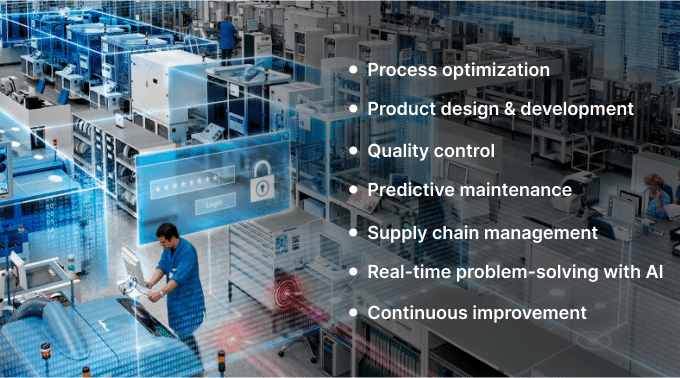
Gen AI is empowered to create results depending on insights and patterns curated from vast amounts of data. Across the manufacturing domains, it paves the way for unprecedented opportunities for efficiency and innovation employed in aspects like process optimization, product design, quality control and many more. In this context, let’s take a look at the different applications of GenAI in manufacturing.

Process optimization

Generative AI can suggest optimized manufacturing processes comprising production schedules, machine settings, and resource allocation. It results in enhanced efficiency and improved productivity.

Product design & development

Gen AI can effectively create  & recreate product designs considering multiple parameters comprising performance requirements and other manufacturing constraints. This potential accelerates the design process for manufacturers resulting in unique solutions.    

Quality control

Gen AI is increasingly influential in creating smart models for detecting and predicting defects in real time. It ensures superior product quality by diminishing the time and cost relating to quality control. 

Predictive maintenance

Generative AI proves influential in predicting errors in maintenance and equipment failures in real time. It ensures that manufacturing companies can implement proactive maintenance strategies effectively diminishing downtime.  

Supply chain management

Gen AI models are effectively beneficial for inventory optimization, demand forecasting and risk assessment. It allows manufacturing organizations to navigate complex global supply chains. 

Real-time problem-solving with AI

Manufacturing facilities generally confront challenges such as a lack of real-time visibility and equipment glitches. With the integration of Generative AI, manufacturing facilities can leverage real-time data from maintenance logs for identifying patterns and aberrations. Implementing preventive maintenance empowers vendors to step in immediately and Gen AI puts forth its plan of action for addressing the glitches. 

Continuous improvement

Generative AI enforces continuous learning and improvement for businesses. The technology is empowered to generate insights depending on real-time data and feedback. It enables manufacturers to meet current industry standards and anticipate future expectations.  

How is generative AI effective in manufacturing & related business?

Smart factories can significantly reduce overall organizational expenses ensuring that the right products are available at the right time in the market. If you are looking for the right AI development companythen you should be going through the major criteria that make the  company right for your project. As of the frontline, manufacturing companies should prioritize investments in Generative AI services to stay ahead of the curve. 

Strategic decision-making

Gen AI comes with an inner potential to analyze large volumes of data quickly administering actionable insights to manufacturing facilities for strategic decision-making.   

Resource optimization

Nowadays, manufacturing facilities are embracing generative AI which is turning out to be a transformative force in the industry. The innovation empowers manufacturing companies to recognize areas of resource optimization and costs too. Gen AI technology can be implemented harnessing advanced algorithms to administer a holistic view of resource utilization resulting in a streamlined operational process.

Advanced efficiency

Automating a multitude of aspects of generative AI supports the entire framework right from workflow optimization, ideation, and design to supply chain management and quality control. It helps in boosting product development and advancing operational efficiency. 

Probable use cases of generative AI in manufacturing

Generative AI application mainly relies on advanced technologies such as Generative adversarial networks (GANs) which allow machines to create new designs by learning from different patterns in extensive datasets. Automotive manufacturing facilities use GANs for generating and refining cars depending on consumer preferences. 

Computer vision

Vision AI assists in quality control detecting flaws during production, and gen AI paired with computer vision assists in simulating corrections effectively lowering defects without human intervention. 

Scalable solutions for smart manufacturing

Having growing complexities, manufacturers require a comprehensive solution for ensuring a seamless and scalable deployment across different use cases. 

Final thoughts

Gen AI can be integrated into the manufacturing processes by streamlining them through a technological stride. The technology empowers smart manufacturing by generating innovative insights. It helps in improving the design process, boosting product development and optimizing supply chain operations. The transformative technology enables manufacturers to enhance current operations and unveil new possibilities for creating value. It is important for manufacturing facilities to prioritize investments in Generative AI services to stay ahead of the curve and scale businesses in an ever-evolving business scenario. 

To know more about Generative AI, unveil the real value of generative AI in manufacturing and advancing the efficiency of our AI-driven manufacturing data analytics solutions.

Top AI technology trends that are driving revenue in restaurant businesses

In the rapidly evolving landscape of restaurant business chains, AI is playing a game-changer in elevating operations. The advent of AI has proved functional in elevating customer experience and operational efficiency with streamlined processes. Having a simplified Kitchen process to personalize customer interactions, AI tools are modifying the way restaurants function during a competitive scenario.  

Embracing advanced technology like AI and computer vision enables businesses to design specifically for restaurants, providing innovative features to address different aspects of restaurant management. In this blog post, we are going to explore the top AI trends for restaurants to drive more revenue. Artificial Intelligence can help you stay ahead of the curve and optimize your business performance. 

What is computer vision?

Computer vision has turned out to be a game-changer for restaurants as it offers valuable data regarding operations. Computer Vision AI can be trained to detect anything relevant to your business. With significant real-time kitchen data operators are capable of targeting inefficiencies, streamlining processes and improving and addressing productivity glitches. 

Machine learning is an advanced technology that enables computers to take in information and use complex algorithms to learn from it. It can also make predictions regarding events and human behaviour based on historical patterns. 

How AI in restaurants can make a difference?

AI is emerging as a more integral part of running a restaurant. In this context, we have delineated the major benefits of leveraging Artificial Intelligence in a restaurant business. 

Reducing cost                                         

Artificial Intelligence technologies can be used for automating tasks that involve taking reservations and entering orders into the POS.  

Customizing orders 

AI offers a sense of control during the ordering process which enables users to customize their orders to fit their requirements.

Lowering errors

Manual tackling of operations can often lead to errors that can go wrong in a restaurant. Automation of order placements can mitigate the issues relating to human errors. There are times when staff mishear a guest’s order and the guests unfortunately receive the wrong dish.  

Improving guest experience and finding new customers 

By adopting AI’s capability to perform simple tasks in your restaurant, one can free up staff. It helps in focussing on guests and provides them with the best possible experience.    

Find new customers

AI technologies can easily boost a restaurant’s marketing efforts enabling users to identify what kind of customers love your food. It is important to focus on your guests and provide them with the best possible experience.  

Computer Vision in Restaurants has been serving as a powerful way to streamline operations across the business chain. It eliminates several glitches and elevates customer satisfaction efficiently. 

Top use cases for restaurants harnessing computer vision

AI-powered menu optimization

AI plays a major role in optimizing menus by analyzing customer feedback and sales data. Harnessing a data-driven approach, restaurants can seamlessly recognize top-performing cuisines and promote them rigorously. 

Ordering kiosks

At the time of ordering in a variety of restaurants, certain eateries are taking it to the next level. Kiosks integrated with AI facial recognition technology can identify repeat visitors and tailor their experience depending on their past orders and choices. Guest data can be collected and the data used to provide personalized service right from recipe recommendations to targeted marketing. 

Speed of service        

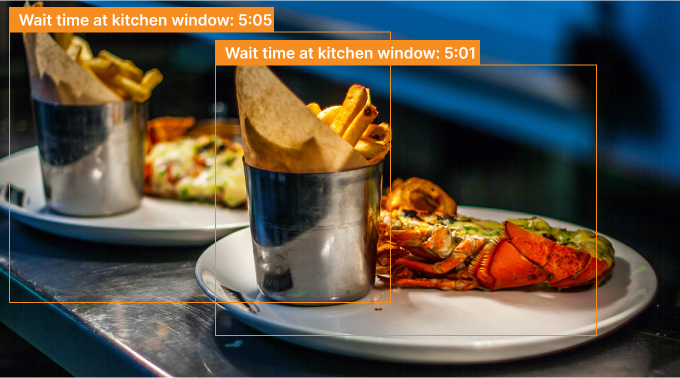
When it comes to restaurant business quality and speed are the two important factors that play a key to a successful business prospect. With computer vision, restaurants are capable of delivering delicious meals on time. As operators have immediate access to data regarding all orders in the kitchen, with AI they can manage customer expectations as they happen. AI Video analytics software powered by computer vision can monitor queue times and make immediate adjustments to remain consistent with the speed of service. 

Smart staffing & scheduling 

Scheduling employees and allocating resources can be a great task in a restaurant business. It is the place of the restaurant business where AI technology is becoming more popular. Using AI-powered software, restaurants can keep track of staffing and sales data to determine any trends. They can staff the restaurant appropriately for the traffic and sales. 

Integrated inventory & purchasing  

AI-powered software can easily keep track of historical inventory and purchasing data. Artificial Intelligence has a major impact on restaurant inventories and purchasing decisions with point of sale (POS). From making real-time recommendations to meeting inventory needs, Computer vision powered by AI can tailor purchasing decisions to meeting inventory needs. Powerful inventory management is crucial to preventing stockouts and food wastage. AI-enabled inventory management systems leverage machine learning and predictive algorithms to forecast demand and recommend optimal stock levels. It paves the way for the availability of stocks on time and ensures smooth operations. 

Data-based insights & predictions

Several major restaurant brands have begun using predictive AI technologies and forecasting orders. By analyzing historical data regarding what customers ordered, top brands can anticipate rushes. The store started using Vision AI technology to reduce wait times by a few seconds on average. The predictive technology can be harnessed by restaurants in different ways like managing inventories, staffing, menu pricing and so forth. 

Real-time backend data     

For restaurants, real-time data can be functional for the order fulfilment process with computer vision. It enables restaurant operators to identify the bottlenecks and address them immediately.  With the real-time actionable insights generated by Vision AI, restaurant managers can better manage orders and streamline the ordering process. 

Food quality control

Restaurants are always on the haul to improve their food quality to stay ahead of the competitive curve. With Computer Vision for Food Quality Control, restaurants can automate food inspection for consistency and safety reducing errors and waste.

Conclusion: Vision AI in restaurants is here to stay

During today’s competitive scenario, integration of computer vision and AI into QSRs, restaurant and cafe operations is a necessity. Are you looking for ways to navigate the new technology and secure it with Computer Vision for Restaurant Safety? Nextbrain can help you. By streamlining operations, enhancing customer interactions and offering valuable insights, we have crafted a marvelous AI technology that is helping the food and beverage industry in improving customer experience and boosting revenue. 

Do you want to know more about Computer vision AI? Feel free to reach us. We will help you achieve your goals.

Design a site like this with WordPress.com
Get started