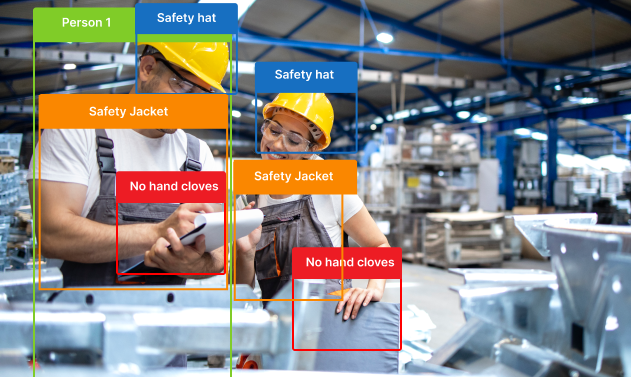
Retail Shelf Monitoring: How Computer Vision is Impactful for Retail Shelf Monitoring?

The retail industry has undergone a significant transformation with the adoption of advanced technologies like computer vision. Retail shelf monitoring, a critical aspect of retail management, ensures that shelves are well-stocked, organized, and appealing to customers. Traditional methods often rely on manual processes that are time-consuming and prone to human error. Computer vision, powered by AI, is revolutionizing retail shelf monitoring by providing real-time, accurate insights into shelf conditions.

Challenges in Traditional Retail Shelf Monitoring

  • Manual Errors: Dependence on human intervention often leads to missed discrepancies in stock levels or improper arrangement of products.
  • Time-Consuming: Regular manual checks are labor-intensive and reduce the efficiency of retail operations.
  • Inconsistent Data Collection: Variability in data collection affects decision-making, leading to suboptimal inventory management.
  • Customer Dissatisfaction: Empty shelves or misplaced products can negatively impact customer experience and sales.

Role of Computer Vision in Retail Shelf Monitoring

Computer vision leverages AI to analyze video and image data, offering several benefits for retail shelf management. The use of computer vision for retail shelf monitoring has revolutionized traditional practices by enabling:

  1. Real-Time Stock Monitoring
    • Cameras equipped with computer vision algorithms scan shelves continuously to detect low stock levels or empty spots.
    • Automated alerts ensure timely restocking, reducing the chances of lost sales due to unavailable products.
  2. Product Placement and Planogram Compliance
    • Ensures products are arranged according to the planogram—a predefined layout for shelf organization.
    • Identifies misplaced items and provides actionable insights for correction.
  3. Detecting Expired or Damaged Products
    • Scans product labels and packaging to identify expired or damaged goods, ensuring compliance with quality standards.
    • Improves brand image by maintaining product quality on shelves.
  4. Customer Behavior Insights
    • Tracks customer interactions with shelves to understand purchasing patterns and preferences.
    • Helps in designing better promotional strategies and shelf layouts to maximize sales.

How Computer Vision Enhances Retail Operations

  • Automation: Automates repetitive tasks like stock checking and planogram compliance, freeing employees for higher-value tasks.
  • Efficiency: Speeds up operations, ensuring faster responses to inventory issues.
  • Accuracy: Reduces human errors and ensures consistent data collection for informed decision-making.
  • Scalability: Easily deployable across multiple stores, making it an ideal solution for large retail chains.

Key Applications of Computer Vision in Retail Shelf Monitoring

  1. Inventory Optimization
    • Tracks stock levels and predicts replenishment needs using historical and real-time data.
    • Reduces overstocking and understocking, saving costs and enhancing customer satisfaction.
  2. Shrinkage Prevention
    • Identifies theft or misplaced products through advanced surveillance.
    • Minimizes inventory shrinkage and associated financial losses.
  3. Dynamic Pricing
    • Analyzes shelf conditions and market trends to enable dynamic pricing strategies.
    • Enhances profitability by optimizing pricing based on demand and competition.
  4. Promotional Effectiveness
    • Monitors the impact of promotional displays on customer engagement and sales.
    • Provides data-driven recommendations for future marketing campaigns.

Case Studies: Successful Implementation of Computer Vision

  1. Retail Giant X
    • Reduced out-of-stock scenarios by 30% using computer vision-enabled cameras.
    • Improved planogram compliance by 25%, leading to higher customer satisfaction.
  2. Supermarket Chain Y
    • Automated inventory management across 500+ stores with AI-powered shelf monitoring.
    • Achieved a 20% reduction in labor costs while enhancing operational efficiency.

Benefits of Using Computer Vision in Retail Shelf Monitoring

  • Enhanced Customer Experience: Ensures well-stocked and organized shelves, improving shopping experiences.
  • Cost Savings: Automates processes, reducing labor costs and minimizing losses due to errors or shrinkage.
  • Data-Driven Decisions: Provides actionable insights to optimize inventory, pricing, and promotions.
  • Competitive Advantage: Adopting advanced technologies positions retailers as industry leaders, attracting tech-savvy customers.

Future of Retail Shelf Monitoring with Computer Vision

The integration of computer vision with other technologies like IoT, machine learning, and big data analytics will further enhance its capabilities. Retailers can expect:

  • Personalized Customer Experiences: Leveraging data from shelf interactions to create tailored shopping experiences.
  • Predictive Analytics: Using historical data to anticipate inventory needs and customer preferences.
  • Seamless Omnichannel Integration: Aligning physical and online inventory for a unified shopping experience.

Creating an effortless shopping experience with AI

Conventional retail businesses continue to face customer acquisition difficulties. Ensuring an effective shopping experience is important in keeping customers coming back to the retail store. The future of retail shelf monitoring is quite exciting and for retailers, it has become important in improving customer experiences, optimizing inventory management processes and finally amplifying overall sales. Are you on the lookout for uninterrupted stockouts and product unavailability? Nextbrain’s AI Video analytics software is specially designed to cater to the definite requirements of retail industries and others. Our system is designed to enable retailers to streamline operations, reduce costs, and deliver unique customer experiences.
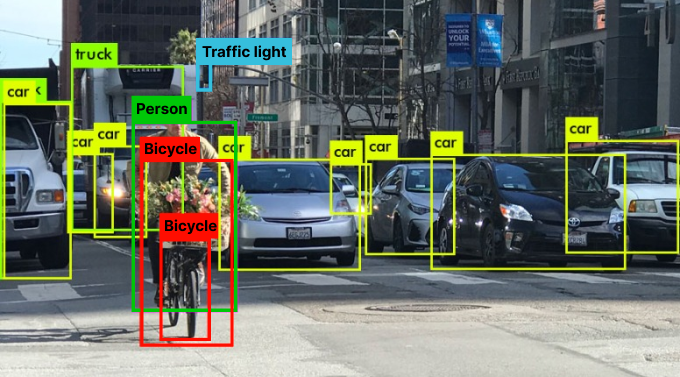
AI Video Analytics for Smart Cities: Unlocking New Possibilities in Urban Management

The concept of a smart city is rapidly evolving, blending urban management with the power of technology to enhance the quality of life for residents, improve efficiency, and optimize resources. One of the most impactful innovations driving smart cities is the integration of AI video analytics. With the exponential increase in video data generated by surveillance cameras, sensors, and other IoT devices in urban environments, AI-powered video analytics is revolutionizing how cities function and how citizens experience daily life.

This article delves into the role of AI in video data analytics for smart cities, focusing on its applications, benefits, and future possibilities.

What is AI Video Analytics?

AI video analytics involves using artificial intelligence algorithms to analyze video footage in real-time or post-processing to extract valuable insights. It employs machine learning (ML) and computer vision technologies to detect patterns, identify objects, and interpret activities without requiring human intervention. This technology can process vast amounts of data collected from various sources, such as CCTV cameras, traffic monitoring systems, and public safety devices.

In the context of smart cities, AI video analytics enhances public safety, optimizes traffic management, enables smarter resource allocation, and supports urban planning, making it a crucial component in the development of intelligent urban ecosystems.

Key Applications of AI Video Analytics in Smart Cities

1. Enhanced Public Safety and Security

One of the most significant advantages of AI video analytics in smart cities is its ability to improve public safety. With cities becoming more densely populated, ensuring the safety of citizens is a top priority. AI-powered video surveillance systems can monitor large areas and detect suspicious behaviors or incidents, such as thefts, vandalism, or accidents, in real-time.

  • Real-Time Incident Detection: AI can detect events like fights, loitering, or the presence of unattended bags and alert authorities immediately. This leads to faster response times and more effective interventions.
  • Crowd Monitoring: AI can also track crowd sizes, ensuring that gatherings do not exceed safe limits, which is crucial for events, protests, or public gatherings.
  • License Plate Recognition (LPR): AI-based LPR systems can automatically recognize vehicle plates, assisting in identifying stolen cars or locating wanted vehicles.

2. Traffic and Transportation Management

Urban transportation systems often struggle with congestion, inefficiencies, and safety risks. AI video analytics plays a pivotal role in transforming traffic management and optimizing transportation.

  • Traffic Flow Monitoring: AI can analyze video feeds from traffic cameras to assess real-time traffic flow. By identifying congestion patterns and bottlenecks, AI can help in rerouting traffic to alleviate congestion, reduce travel times, and improve overall traffic efficiency.
  • Smart Traffic Lights: AI video analytics can dynamically adjust traffic light timings based on real-time traffic conditions, minimizing delays and improving traffic movement.
  • Accident Detection: AI-powered systems can quickly identify accidents or traffic incidents by analyzing video footage. Alerts can be sent to emergency responders, significantly reducing response times and potentially saving lives.

3. Smart Infrastructure and Maintenance

Smart cities rely on data-driven insights to manage infrastructure efficiently. AI video analytics can provide valuable information to improve urban infrastructure and ensure timely maintenance.

  • Infrastructure Health Monitoring: AI can monitor the condition of roads, bridges, and public spaces using video analytics. For instance, AI can detect cracks, wear, or damage to roads by analyzing footage from surveillance cameras or drones, enabling early maintenance interventions.
  • Waste Management: AI-powered video analytics can track waste levels in public bins and dumpsters. This data can optimize waste collection routes and schedules, improving the efficiency of waste management services and reducing environmental impact.

4. Urban Planning and Development

AI video analytics contributes significantly to urban planning by providing real-time data on how citizens interact with public spaces. This can help urban planners design spaces that are more accessible, efficient, and tailored to the needs of the community.

  • Footfall Analysis: AI can track pedestrian movement in public spaces like parks, shopping districts, or transport stations. This helps identify popular locations and peak times, enabling better design and planning decisions to accommodate foot traffic and reduce overcrowding.
  • Building Usage Patterns: AI video analytics can assess the use of public buildings and facilities. For example, it can help determine how often public libraries, community centers, or public transport stations are being used, providing valuable data for optimizing facility maintenance and scheduling.

5. Environmental Monitoring and Sustainability

Smart cities are committed to becoming more sustainable and environmentally friendly. AI video analytics aids in environmental monitoring, helping cities monitor air quality, noise pollution, and overall sustainability.

  • Air Quality Monitoring: AI can integrate video feeds from air quality monitoring devices, analyzing pollution levels and their impact on specific areas of the city. By correlating this data with weather patterns and traffic conditions, AI can provide actionable insights for better air quality management.
  • Green Space Management: Video analytics can monitor the health of urban green spaces, parks, and trees. By analyzing video data, AI can detect when these areas need maintenance, irrigation, or pest control.

6. Public Health Monitoring

In the wake of global health challenges like the COVID-19 pandemic, AI video analytics has proven essential in monitoring public health and enforcing health protocols in smart cities.

  • Social Distancing and Mask Compliance: AI-powered cameras can monitor social distancing measures and mask compliance in public spaces. If violations are detected, alerts can be sent to authorities or individuals to take corrective action.
  • Temperature Screening: In hospitals, airports, and public buildings, AI-based thermal cameras can quickly detect individuals with elevated body temperatures, assisting in early identification of potential health risks.

Benefits of AI Video Analytics in Smart Cities

  1. Increased Efficiency: By automating the analysis of video data, AI reduces the need for manual monitoring and intervention, saving time and human resources.
  2. Real-Time Decision Making: AI enables real-time responses to incidents, making it easier to address issues like traffic congestion, accidents, or safety threats promptly.
  3. Cost Savings: With AI handling many monitoring and analysis tasks, cities can allocate resources more efficiently, leading to cost savings in various sectors like traffic management, security, and infrastructure maintenance.
  4. Improved Quality of Life: The integration of AI video analytics leads to smarter, safer, and more sustainable urban environments, ultimately enhancing the quality of life for residents.

Challenges and Future of AI in Smart Cities

While AI video analytics presents many benefits, there are challenges that must be addressed to fully harness its potential in smart cities.

  • Privacy Concerns: The extensive use of surveillance cameras in public spaces raises concerns about privacy. Ensuring that AI video analytics is used responsibly and in compliance with privacy laws is crucial.
  • Data Security: The massive amounts of data generated by AI systems require robust security measures to prevent data breaches or misuse.
  • Integration and Interoperability: For AI video analytics to function optimally in a smart city, it needs to seamlessly integrate with existing infrastructure, including sensors, IoT devices, and urban management systems.

The future of AI video analytics in smart cities is bright, with advancements in deep learning and edge computing promising even more sophisticated and efficient systems. As technology continues to evolve, AI video analytics will play an even more integral role in creating smarter, safer, and more sustainable cities.

Conclusion

AI video analytics software is transforming smart cities by providing real-time insights into public safety, traffic management, urban planning, environmental monitoring, and more. Its ability to process vast amounts of video data efficiently makes it a cornerstone in the development of intelligent urban ecosystems. By embracing AI video analytics, cities can become safer, more efficient, and more responsive to the needs of their residents, ultimately improving the quality of life for all. As AI technology continues to evolve, its role in shaping the future of smart cities will only grow, driving further innovations in urban management.

Exploring Automatic Number Plate Recognition (ANPR) System Harnessing Computer Vision

Automatic Number Plate Recognition (ANPR) systems represent a transformative blend of computer vision and artificial intelligence, enabling automated identification and processing of vehicle license plates. This technology has seen widespread adoption across industries like transportation, law enforcement, and logistics, offering unprecedented accuracy and efficiency.

How ANPR Systems Work

ANPR systems harness the power of computer vision algorithms to identify and process number plates. Here’s a breakdown of the process:

  1. Image Acquisition
    Cameras capture images or video of vehicles, often positioned strategically on roads, parking lots, or toll booths.
  2. Preprocessing
    The captured images are preprocessed to improve clarity. Techniques such as noise reduction, contrast enhancement, and edge detection are employed.
  3. Plate Localization
    Using algorithms like contour detection or region proposal networks, the system isolates the number plate from the image. This crucial step in the number plate detection system ensures that the system focuses on the relevant area of the image for further processing.
  4. Character Segmentation
    Once localized, characters on the plate are segmented for individual recognition.
  5. Optical Character Recognition (OCR)
    OCR models identify and convert the segmented characters into alphanumeric text.
  6. Data Matching
    The extracted information is cross-referenced with databases for validation or analysis.

Applications of ANPR Systems

ANPR systems have a wide range of applications across various sectors:

  1. Traffic Management:
    • ANPR systems aid in monitoring and managing traffic flow by detecting vehicles violating speed limits, red lights, or other traffic rules.
  2. Law Enforcement:
    • Law enforcement agencies use ANPR for identifying stolen vehicles, tracking criminal activities, and ensuring compliance with registration and insurance requirements.
  3. Toll Collection:
    • ANPR enables automated toll collection on highways, reducing congestion and eliminating the need for manual intervention.
  4. Parking Management:
    • Automated systems in parking lots utilize ANPR to facilitate entry and exit, calculate parking fees, and enhance security.
  5. Smart Cities:
    • In smart city initiatives, ANPR contributes to real-time surveillance, traffic optimization, and urban planning.
  6. Border Security:
    • At border checkpoints, ANPR systems ensure secure and efficient processing of vehicles.
  7. Fleet Management:
    • Logistics and transportation companies use ANPR to monitor their fleets, track deliveries, and ensure compliance with regulations.

Advantages of ANPR Systems

  1. Accuracy and Speed:
    • With high precision and rapid processing, ANPR systems outperform manual methods in identifying license plates.
  2. Automation:
    • ANPR eliminates the need for human intervention in repetitive tasks, saving time and resources.
  3. Scalability:
    • The systems can be integrated with existing infrastructure, enabling large-scale deployment across cities and industries.
  4. Enhanced Security:
    • By flagging unauthorized or suspicious vehicles, ANPR enhances safety in sensitive areas.
  5. Cost-Effectiveness:
    • Over time, the automation and efficiency of ANPR reduce operational costs for businesses and governments.

Challenges in ANPR Systems

  1. Variability in Plate Designs:
    • Different countries and regions have diverse license plate formats, colors, and fonts, making standardization challenging.
  2. Environmental Factors:
    • Weather conditions, lighting, and motion blur can affect image quality and recognition accuracy.
  3. Data Privacy:
    • Storing and processing vehicle data raises concerns about user privacy and data protection.
  4. Hardware Limitations:
    • The cost and maintenance of high-quality cameras and processing units can be a barrier for widespread adoption.
  5. Regulatory Compliance:
    • Legal and regulatory frameworks vary across jurisdictions, impacting the deployment and use of ANPR systems.

Future Trends in ANPR Technology

The evolution of ANPR systems is closely tied to advancements in AI and computer vision. Key trends include:

  1. Deep Learning Integration:
    • Advanced neural networks enhance character recognition, even in challenging conditions such as dirty or damaged plates.
  2. Edge Computing:
    • Processing data at the edge (near the camera) reduces latency and bandwidth requirements, enabling faster and more efficient operations.
  3. Cloud-Based Solutions:
    • Cloud integration allows for centralized data management, scalability, and interoperability with other systems.
  4. Multilingual Support:
    • Future systems will accommodate multiple languages and scripts, broadening their applicability.
  5. Enhanced Security Protocols:
    • With growing concerns over data privacy, robust encryption and anonymization techniques will become standard.
  6. Integration with IoT:
    • IoT-enabled ANPR systems will facilitate seamless connectivity with smart city infrastructure, enhancing urban mobility.

Wrapping up

Automatic number plate recognition is a crucial AI technology that provides different advantages for distinct applications. The advantages of ANPR are far-reaching and involve traffic management, toll booth records, retail park security, and journey time analysis. Is your organization looking to take advantage of the powerful technology? Nextbrain’s AI video analytics software comes with a wide plethora of features that are useful in manufacturing, traffic management, construction, healthcare and many other industries.                                            

Do you want to know more about AI video surveillance technology and ANPR? Connect with our professionals.

Delving Deeper into Queue Management with Cutting-Edge Computer Vision

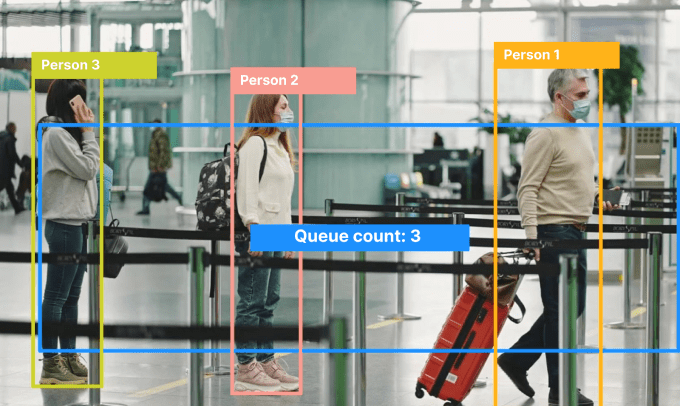
Queue management has always been a critical aspect of customer service and operational efficiency across industries. With the advent of cutting-edge technologies, particularly computer vision, queue management systems are undergoing a significant transformation. These advancements enable businesses to enhance customer experiences, optimize staff allocation, and reduce waiting times through automation and intelligent analysis.

The Role of Computer Vision in Queue Management

Computer vision, a branch of artificial intelligence, enables machines to interpret and analyze visual data. In queue management, it empowers organizations to monitor real-time foot traffic, measure queue lengths, and predict wait times with remarkable precision. Unlike traditional methods that rely on manual oversight or basic sensors, computer vision offers a more comprehensive and accurate solution by leveraging video analytics.

Key Applications of Computer Vision in Queue Management

1. Real-Time Queue Monitoring

Computer vision systems analyze video feeds from cameras installed in facilities to monitor queues in real time. By identifying patterns, the technology can:

  • Detect long queues and send alerts to managers using a smart queue management system.
  • Measure waiting times to evaluate service efficiency.
  • Identify bottlenecks to ensure swift intervention.

2. Predictive Analytics for Staff Allocation

By studying historical data and analyzing current trends, computer vision systems can predict peak times and recommend optimal staff allocation. This proactive approach prevents queues from escalating and enhances resource management.

3. Customer Flow Optimization

Computer vision enables businesses to direct customer flow effectively. For instance, retail stores and airports can use visual cues, such as digital signage, to guide customers to less crowded areas, reducing congestion and improving the overall experience.

4. Enhancing Self-Service Systems

Queue management solutions powered by computer vision integrate seamlessly with self-service kiosks. They can monitor usage patterns, detect underutilized kiosks, and guide customers toward available ones. This not only improves service speed but also boosts kiosk efficiency.

5. Data-Driven Insights for Decision-Making

Computer vision provides actionable insights based on queue patterns, customer behavior, and peak times. These insights enable businesses to design better layouts, improve workflows, and implement effective strategies for reducing wait times.

Benefits of Computer Vision in Queue Management

1. Improved Customer Experience

Long queues and extended waiting times are among the most common customer complaints. With computer vision, businesses can minimize these issues by identifying and addressing them promptly, resulting in higher customer satisfaction.

2. Operational Efficiency

Automation reduces the need for manual supervision, freeing up staff to focus on critical tasks. Accurate data also allows businesses to streamline operations, optimize layouts, and manage resources effectively.

3. Cost Savings

Efficient queue management translates to better resource utilization and reduced operational costs. By predicting peak times and automating processes, businesses can avoid overstaffing or underutilizing resources.

4. Scalability and Versatility

Computer vision systems are highly scalable and can be adapted to various environments, from small retail stores to large airports. They’re also versatile, capable of integrating with existing infrastructure and software solutions.

Industries Benefiting from Computer Vision in Queue Management

1. Retail

Retailers use computer vision to monitor checkout lines, assess customer satisfaction, and implement dynamic staffing models. This ensures smoother operations during peak shopping times and sales events.

2. Healthcare

Hospitals and clinics leverage computer vision to manage patient queues, reduce waiting times, and improve the efficiency of front-desk operations. This contributes to a more seamless patient journey.

3. Airports

With thousands of travelers passing through daily, airports rely on computer vision for security checkpoints, baggage claims, and boarding queues. By optimizing these processes, they enhance passenger experiences and maintain stringent security protocols.

4. Hospitality

Hotels and restaurants use computer vision to manage queues at receptions, buffets, and concierge services. The technology helps maintain high service standards while minimizing delays.

5. Public Transport

Bus stations, train terminals, and metro systems use computer vision to monitor ticket counters, boarding platforms, and security checkpoints, ensuring smooth passenger flow.

Challenges in Implementing Computer Vision for Queue Management

Despite its numerous advantages, implementing computer vision solutions comes with challenges:

  • Privacy Concerns: Collecting and analyzing video data can raise privacy issues. Businesses must ensure compliance with regulations like GDPR to protect customer data.
  • Integration Complexities: Incorporating computer vision into existing systems requires careful planning and investment.
  • Initial Costs: While the long-term benefits are significant, the upfront investment in cameras, software, and infrastructure can be high.
  • Accuracy in Complex Scenarios: Factors like poor lighting, crowded environments, and diverse customer behaviors can impact system accuracy.

The Future of Queue Management with Computer Vision

The advancements in artificial intelligence and deep learning continue to drive the evolution of computer vision technology. Future innovations are likely to include:

  • Emotion Recognition: Assessing customer emotions to provide personalized experiences and identify dissatisfaction early.
  • Augmented Reality (AR): Guiding customers through AR interfaces to reduce confusion and waiting times.
  • Integration with IoT: Leveraging IoT devices for comprehensive monitoring and data sharing across systems.

Wrapping up

With technological progress, AI is evolving rapidly across different businesses. The effective integration of AI in queue management businesses is capable of elevating the customer experience and boosting operational efficiency. Are you looking to optimize queue times for your retail business? Leverage our smart AI queue detection system for delivering highly personalized customer experience and advanced customer segmentation. At Nextbrain, we have a dedicated team of professionals with relevant expertise and technical knowledge in crafting tailor-made solutions for businesses. Our AI technology is designed to solve distinctive challenges faced by industries across the globe.

Get in touch with our professionals to know more about AI-based queue detection systems.

Unveiling the Potential of Computer Vision AI in the Oil and Gas Industry

Artificial Intelligence (AI) continues to reshape industries, offering innovative solutions that redefine how businesses operate. Among its transformative advancements, computer vision AI stands out for its ability to create immense potential for innovation and efficiency. This cutting-edge technology is driving industries to adopt custom applications that leverage AI’s powerful capabilities. As companies aim to stay competitive, the oil and gas sector has emerged as a key area where computer vision AI is revolutionizing operations, improving productivity, and maximizing returns.

This article delves into the significant applications and use cases of computer vision AI in the oil and gas industry, showcasing how it is enabling companies to achieve greater operational efficiency and safety standards.

Technology Trends in AI for the Oil and Gas Industry

Technological advancements in AI have transformed the way oil and gas companies approach operational challenges. The integration of computer vision AI and machine learning (ML) has opened new avenues for real-time data processing, decision-making, and automation.

One of the most significant breakthroughs is the ability to deploy large-scale deep-learning applications. These systems, powered by high-performance computing and connected endpoints, enable businesses to analyze complex situations more efficiently than ever before. Unlike conventional sensors, computer vision relies on cameras, which provide a contactless, data-rich process for monitoring and analyzing intricate industrial environments.

Adopting AI and ML algorithms is not just an upgrade but a fundamental shift in operational methodologies, pushing companies to embrace a data-driven, automated future.

Key Applications of Computer Vision AI in Oil and Gas

1. Remote Monitoring of Oil and Gas Production

Real-time monitoring of oil and gas facilities is crucial for optimizing production processes. By leveraging AI video analytics software, companies can track the status of load pumps and other critical equipment, improving operational efficiency.

Advanced sensors integrated with computer vision AI play a pivotal role in driving the digital transformation of the industry. These sensors gather high-value information from big data, enabling operators to make informed decisions that enhance output and reduce downtime.

2. Pipeline Inspection and Maintenance

Pipelines are the lifelines of the oil and gas industry, making their maintenance a top priority. With computer vision AI, deep learning algorithms analyze remote sensing data to detect and assess damage with unparalleled accuracy.

Pixel-level processing of images helps pinpoint the exact location and severity of potential issues in a fraction of the time taken by manual inspections. This capability ensures faster and more effective pipeline repairs, reducing the risk of leaks and environmental damage.

3. Wireline Spooling Automation

Wirelines are essential tools for reservoir assessments and well operations. Proper handling of these tools is crucial to prevent cable damage during retrieval.

Computer vision AI automates the spooling process, ensuring precise handling of the tool string. This reduces human error, minimizes equipment damage, and improves the overall safety and efficiency of oil and gas operations.

4. Corrosion Detection

Corrosion poses a significant risk to structural systems in the oil and gas sector. Traditionally, inspections relied on manual labor, which could be expensive, time-consuming, and prone to errors.

By applying deep learning techniques, computer vision systems can automate rust detection using camera feeds. This results in accurate and cost-effective corrosion monitoring, enabling proactive maintenance and extending the lifespan of critical infrastructure.

5. Fire and Intrusion Detection

Workplace safety is paramount in the oil and gas industry, where hazardous conditions and valuable equipment increase the risk of theft, vandalism, and accidents.

Computer vision algorithms, paired with AI, monitor operation sites in real-time for potential threats, such as unauthorized access or fire hazards. These systems send instant alerts to relevant authorities, ensuring swift responses to emergencies.

Additionally, AI-powered surveillance systems analyze camera feeds to enforce safety protocols, such as preventing slips on slippery surfaces or identifying fire risks. This enhances both worker safety and facility security.

6. Methane Leak Detection

Methane emissions are a significant environmental concern for the oil and gas industry. Computer vision AI leverages regular infrared cameras to detect methane leaks with high precision.

Automated systems streamline the process, achieving detection accuracy rates of up to 99%. Deep learning models, such as convolutional neural networks (CNNs), are trained to identify leaks, enabling faster and more efficient mitigation efforts.

7. Analog Tool Recognition

In remote power substations and oil facilities, many tools and gauges remain analog. Computer vision AI can be trained to read these instruments automatically, using color segmentation techniques to determine the position of pointers and scale marks.

This application reduces manual errors, improves accuracy, and prevents dangerous accidents associated with incorrect readings.

8. Fingerboard Latch Surveillance

Fingerboard latches play a crucial role in maintaining drilling rig safety. By deploying computer vision models, companies can achieve real-time surveillance of these components.

Vision AI solutions provide visual confirmation of latch conditions, ensuring that drilling operations are conducted safely and efficiently.

9. Predictive Maintenance and Equipment Failure Detection

Proactive maintenance is essential for minimizing downtime and avoiding costly equipment failures. Computer vision AI enables real-time monitoring of equipment performance, identifying anomalies that indicate potential issues.

Deep learning models are trained to detect these anomalies during automated inspections, allowing operators to schedule maintenance before a failure occurs. This predictive approach not only saves time and money but also enhances workplace safety.

The Role of Computer Vision AI in Enhancing Operational Efficiency

The integration of computer vision AI into oil and gas operations delivers significant benefits:

  • Enhanced Worker Safety: By automating hazardous tasks and monitoring environments in real-time, computer vision reduces risks to personnel.
  • Cost Optimization: Automation lowers operational costs by streamlining inspection and maintenance processes.
  • Improved Decision-Making: Real-time data analysis enables faster and more informed decisions, boosting overall productivity.
  • Environmental Protection: Leak detection and corrosion monitoring minimize environmental damage, aligning with sustainability goals.

Conclusion: Unlocking the Future with Computer Vision AI

Computer vision AI is revolutionizing the oil and gas industry by addressing its unique challenges and operational demands. From improving safety standards to optimizing production and reducing costs, this technology offers a comprehensive solution for modernizing workflows.

As a leading provider of Computer Vision for the Oil and Gas industry, Nextbrain specializes in creating custom solutions tailored to industry needs. With a team of experienced professionals, we deliver cutting-edge applications that empower businesses to harness the full potential of computer vision AI.

To explore how our expertise can drive your business forward, connect with us today and embark on a journey toward smarter, safer, and more efficient operations.

The Role of Footfall Counters in Revolutionizing Retail Solutions

In today’s digital era, staying ahead in the retail industry requires adopting innovative technologies that drive growth and enhance customer experiences. One such technology making waves is the footfall counting system, which has transcended its initial purpose of merely counting customers. Retail people counting systems now offer comprehensive insights into customer behavior, preferences, and movement patterns within a store. These insights empower retailers to craft a more engaging and tailored shopping experience, aligning with business goals and customer expectations.

This article delves into the transformative power of footfall counters, explaining their operations, benefits, and how they can redefine the retail landscape.

Understanding Footfall Counting Systems

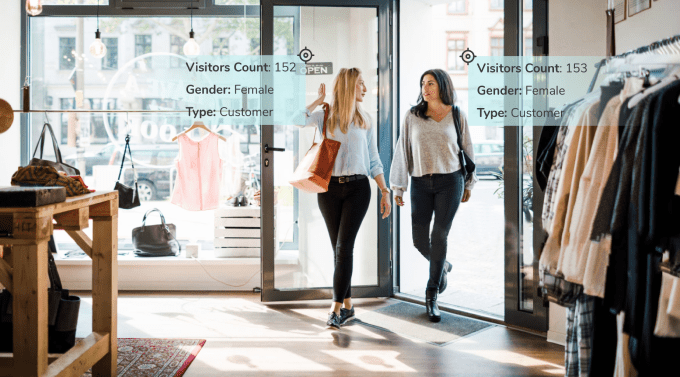
Footfall counting software is a powerful tool that monitors and analyzes customer movements, providing critical data on store entry, exit, and traffic patterns. By leveraging this data, retailers gain a clear picture of their store’s foot traffic, enabling strategic decisions such as optimal product placements and efficient resource allocation.

For instance, the analysis of customer movement patterns reveals high-traffic zones within the store. Retailers can use these hotspots to display high-margin or promotional products, ensuring maximum visibility and accessibility. On the other hand, areas with low foot traffic can be reevaluated and optimized to attract more customers. This might involve redesigning the layout or introducing digital signage to capture attention.

The integration of footfall counting software in retail operations not only streamlines data collection but also enables dynamic adjustments based on real-time customer behavior, setting the foundation for a smarter, data-driven retail environment.

How Footfall Counters Benefit Retail Solutions

1. Enhancing Personalized Shopping Experiences

Footfall counting systems are a game-changer in delivering personalized shopping experiences. By understanding customer preferences and behavior, retailers can tailor promotions, marketing campaigns, and product placements to resonate with their target audience. For example, analyzing the times of peak footfall can help schedule promotional events or optimize staff allocation, ensuring smooth operations and better customer satisfaction.

Additionally, these systems enable retailers to fine-tune their store layouts, creating an environment that seamlessly aligns with customer expectations. The result is not only an enhanced shopping experience but also increased sales and customer loyalty.

2. Optimizing Store Layouts

Footfall counters offer valuable insights into customer pathways and motion patterns. By tracking these trajectories, retailers can strategically design their store layouts to guide customers toward specific products or sections. This ensures that high-traffic areas are utilized effectively, showcasing products with higher profit margins or seasonal promotions.

Conversely, underutilized areas can be revamped to attract more attention. For instance, placing eye-catching displays or introducing promotional content in these zones can help draw customers, creating a balanced flow throughout the store.

3. Strategic Marketing and Promotions

Retail footfall data is instrumental in planning and executing targeted marketing campaigns. By identifying peak shopping hours and high-traffic days, retailers can schedule promotional events to coincide with times when customer presence is highest. This ensures that marketing efforts reach a larger audience, maximizing their impact.

Moreover, analyzing footfall trends over time can help retailers identify seasonal patterns or customer preferences, enabling them to stock up on trending products or plan inventory more efficiently.

4. Demographic and Behavioral Analysis

Modern footfall counting systems often include features that enable demographic analysis, providing insights into customer age, gender, and shopping preferences. This data is invaluable for curating product assortments and promotions tailored to specific demographic groups.

For example, if a store sees a higher influx of younger customers during weekends, it can promote trendy or youth-focused products during these times. Similarly, understanding customer preferences across different age groups can help retailers diversify their offerings to appeal to a broader audience.

5. Dwell Time Analysis

Dwell time analysis focuses on understanding how long customers spend in specific areas or looking at particular products. By measuring this, retailers can identify which products or displays are capturing attention and which are being overlooked.

Optimizing these insights allows for better product placement, ensuring that high-interest items are placed in prominent locations. Additionally, dwell time analysis helps in designing engaging displays that keep customers interested and encourage longer stays, increasing the likelihood of purchase.

Key Components of People Counting Software

A robust footfall counting system typically consists of the following components:

  • Object Detection and Tracking: Tracks individual customers as they move through the store, enabling accurate data collection on movement patterns.
  • Heatmap Identification: Visualizes high and low traffic areas within the store, providing actionable insights for optimizing layouts and product placements.
  • Entry and Exit Monitoring: Tracks the number of customers entering and exiting the store, offering a clear picture of overall foot traffic.

These components work together to provide a comprehensive understanding of customer behavior, enabling data-driven decisions that drive growth.

Footfall Counting Technology: A Retail Game-Changer

The advanced capabilities of footfall counting technology go beyond mere number crunching. By delivering detailed insights into customer pathways and behaviors, these systems empower retailers to create more engaging and profitable shopping environments.

For example, a high-traffic aisle can be transformed into a promotional hotspot for premium products, while less-visited sections can be revamped to attract attention. This strategic use of space not only enhances the customer experience but also boosts sales potential.

Leveraging Store Traffic Analytics

1. Capturing Footfall Data

The first step in leveraging store traffic analytics is capturing accurate footfall data. This involves deploying people counting systems that track customer movements and gather data points such as peak footfall times and traffic intensity across different departments.

2. Analyzing High-Traffic Areas

Comprehending high-traffic areas enables retailers to align their promotional efforts effectively. For instance, placing digital signage or promotional displays in these zones ensures maximum visibility, drawing customer attention and driving sales.

3. Enhancing Customer Purchase Experiences

By analyzing customer shopping habits and in-store journeys, retailers can gain valuable insights into preferences and behaviors. These insights help in strategizing targeted marketing efforts and improving customer engagement, ultimately leading to increased loyalty and sales.

Final Thoughts

In the ever-evolving retail landscape, embracing innovative technologies like footfall counting software in retail has become imperative. These systems provide a clear understanding of customer behavior, enabling retailers to craft personalized shopping experiences, optimize store layouts, and execute data-driven marketing strategies.

Footfall counting software in retail is more than just a tool—it is a powerful solution that bridges the gap between customer expectations and business goals. By analyzing customer pathways and behavior, retailers can ensure visibility and accessibility, driving sales and fostering sustained growth.

If you’re looking to transform your retail operations with actionable insights, Nextbrain offers advanced footfall counting software in retail, tailored to meet the unique needs of businesses. Empower your store with cutting-edge technology and step into the future of retail solutions.

Unveiling the Power of Computer Vision AI in Mining: Enhancing Safety Standards

The mining industry is among the most hazardous sectors globally, dealing with complex processes, heavy machinery, volatile environmental conditions, and the constant risk of accidents. While technological advancements have long played a role in improving safety, none have been as transformative as artificial intelligence (AI), specifically computer vision AI. This next-gen technology has rapidly become a key tool for enhancing safety standards in mining operations, significantly reducing risks to workers, optimizing processes, and fostering a safer work environment.

What is Computer Vision AI?

Computer vision AI is a branch of artificial intelligence that allows computers and systems to gain meaningful insights from visual data, such as images or video footage. Using advanced algorithms, this technology can “see” and interpret objects, people, or any other elements in a scene just as the human eye does. By leveraging machine learning models, computer vision AI can identify patterns, detect irregularities, and continuously improve its capabilities over time.

In mining, computer vision is deployed for several use cases, ranging from worker monitoring and equipment safety to environmental hazard detection, all in real-time.

The Role of Safety in the Mining Industry

Mining is fraught with inherent dangers—collapsing tunnels, equipment malfunctions, exposure to hazardous gases, and even human error can all lead to life-threatening accidents. Therefore, safety in mining isn’t merely a legal obligation but an ethical imperative. With worker safety always being a priority, mining companies are investing heavily in technologies that can minimize these risks.

Traditional safety measures have included training programs, personal protective equipment (PPE), and regular manual inspections. However, these measures have limitations, particularly in terms of real-time responsiveness. This is where computer vision AI comes into play—providing constant, real-time monitoring to ensure a proactive approach to mining safety.

Key Applications of Computer Vision AI in Mining Safety

1. Real-Time Hazard Detection

One of the greatest benefits of computer vision AI in mining is its ability to detect hazards in real time. Cameras equipped with AI can scan an entire mine site for signs of danger, such as structural instabilities in tunnels, falling rocks, or dangerous equipment malfunctions. By identifying these issues before they escalate, the AI system can alert supervisors and workers immediately, giving them the chance to evacuate or address the problem safely.

For example, AI-powered systems can monitor underground operations for signs of ground movement, indicating an impending cave-in. This real-time monitoring allows workers to evacuate before disaster strikes, significantly reducing injuries and fatalities.

2. Worker Safety and Monitoring

Computer vision AI is a game-changer in terms of monitoring worker behavior. Cameras outfitted with AI software can track workers’ adherence to safety protocols, such as wearing PPE (helmets, gloves, goggles), following proper operational procedures, and maintaining safe distances from hazardous areas. If a worker fails to comply with safety standards, the system can immediately flag the issue to the relevant authorities, ensuring that safety regulations are upheld at all times.

In addition, fatigue monitoring has become an important aspect of worker safety. AI systems equipped with facial recognition can detect signs of worker exhaustion or distraction, thereby preventing accidents that might occur due to lack of focus.

3. Machine and Equipment Monitoring

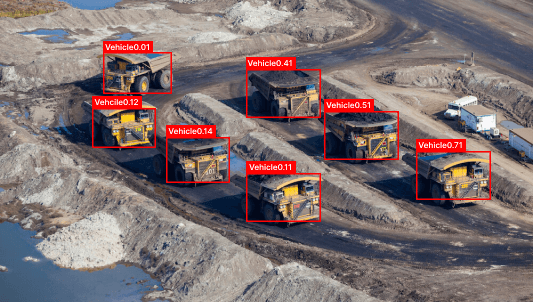
Heavy machinery is central to mining operations, but it also poses a significant risk to workers if not properly monitored and maintained. Computer vision AI can analyze machinery in real time, ensuring that it operates within safe parameters. If a machine shows signs of wear or malfunction, the system can notify the maintenance team before it causes an accident.

Some AI-driven systems are capable of predicting when equipment is likely to fail, using data gathered from cameras and sensors. This proactive approach to maintenance not only enhances safety but also improves operational efficiency, as machinery downtime is reduced.

4. Environmental Monitoring

Mines are environments that are constantly changing due to the extraction process. Environmental hazards like gas leaks, dust clouds, and unstable ground can pose significant threats to workers’ health and safety. Computer vision AI, integrated with environmental sensors, can detect these hazards in real-time. For example, in cases of gas leaks, AI-powered cameras can detect gas levels and send out automatic alerts to workers and supervisors, enabling rapid responses.

Additionally, dust clouds generated by mining activities can be harmful if inhaled. AI systems can monitor air quality and assess when conditions become dangerous, allowing for quick implementation of safety measures like evacuation or enhanced ventilation.

Benefits of Computer Vision AI for Mining Safety

1. 24/7 Monitoring and Instant Alerts

Unlike human monitors, computer vision AI systems can operate 24/7 without fatigue. The AI is always active, constantly analyzing the environment for safety hazards. This continuous monitoring enables instant alerts, giving workers and management more time to react to emerging threats. Whether the issue is equipment malfunction, environmental hazards, or a worker not wearing the necessary PPE, AI ensures that nothing goes unnoticed.

2. Reduced Human Error

Human error remains one of the most common causes of accidents in mining operations. Fatigue, distractions, or simple oversight can lead to catastrophic consequences. By integrating AI, many of these errors can be mitigated. AI-driven systems provide unbiased and consistent monitoring, ensuring that even the smallest deviations from safety protocols are flagged and dealt with.

3. Improved Emergency Response Times

In the unfortunate event of an accident, the swift response is crucial. AI-powered systems can immediately detect an accident and provide critical data about the location and nature of the incident. By pinpointing where help is needed, these systems can drastically reduce emergency response times, potentially saving lives.

4. Predictive Safety Insights

Predictive maintenance and safety analytics are emerging as key benefits of computer vision AI in mining. Using data collected from video footage, AI can identify patterns that might indicate future hazards, such as machines that are frequently operating under stress or tunnels that are becoming unstable. This foresight allows for preemptive action to mitigate risks before they manifest into accidents.

5. Enhanced Compliance with Safety Regulations

Mining operations are subject to stringent safety regulations. Computer vision AI helps companies adhere to these standards by automatically enforcing safety protocols and providing verifiable documentation that procedures are being followed. This ensures that mining companies remain compliant while creating a safer working environment.

The Future of AI in Mining Safety

As computer vision AI technology continues to evolve, its role in mining safety will only grow. Future innovations might include more advanced predictive analytics, fully autonomous equipment monitoring, and integrated AI systems that communicate across various platforms to provide comprehensive safety oversight.

Mining companies that invest in AI-powered safety solutions will not only reduce the risk of accidents but also foster a culture of safety among their workforce. With reduced downtime, improved operational efficiency, and fewer accidents, the return on investment for these AI systems is immense.

Conclusion

From elevating industry safety standards to ensuring compliance with security regulations, AI video surveillance software has revolutionized the entire definition of mining workplace safety. The game-changing shift towards innovative safety management systems emphasizes the relevance of protecting workers through AI technology. Looking forward to the role of AI in the mining industry, the entire globe is expecting deeper integration with emerging technologies for more advanced safety solutions. Are you in search of a transformative force in the mining industry? Then we got it covered for you. Nextbrain specializes in crafting advanced AI video analytics software for different industries across the globe. Leveraging world-class tools and technologies we create the best solutions for shaping a safer and efficient mining future.

Unlocking efficiency and safety in warehouse docks with computer vision solutions

Warehouse docks play a pivotal role in the supply chain process, and efficient, safe dock operations can be the difference between seamless order fulfillment and costly delays. Computer vision, a branch of artificial intelligence (AI) that enables systems to interpret and process visual data from the world, offers innovative solutions to improve both the safety and efficiency of these high-traffic areas. In this guide, we’ll explore how computer vision enhances warehouse dock operations, from reducing accidents to optimizing productivity.

The Challenges of Traditional Warehouse Dock Operations

Warehouse docks are hubs of constant activity, including unloading trucks, stacking inventory, and preparing shipments. However, traditional operations face multiple challenges, such as:

  1. High Accident Risk: Dock areas are busy with forklifts, loaders, and human traffic, making them prone to accidents and injuries.
  2. Limited Visibility: Inadequate visibility due to confined spaces or poor lighting can lead to handling errors, accidents, and delays.
  3. Inefficient Processes: Manual monitoring of workflows and asset movements can result in bottlenecks, especially during peak hours.
  4. Costly Damage and Wastage: Improper handling and lack of tracking systems can cause product damage and inventory mismanagement.

Computer vision solutions can address these issues with advanced visual monitoring and real-time analytics, transforming warehouse docks into optimized, safe spaces.

Enhancing Efficiency with Computer Vision

1. Real-Time Asset Tracking and Inventory Management

Computer vision technology provides a comprehensive Computer Vision Solution for Warehouse Safety that enhances asset tracking and inventory management within warehouse docks. By implementing computer vision cameras and integrating them with inventory management systems, operators can:

  • Monitor Stock Levels: Computer vision helps automatically count items and detect low inventory levels, alerting workers to restock or rearrange as necessary.
  • Identify and Track Assets: With object recognition, computer vision can distinguish between different types of goods and track them throughout the warehouse, minimizing errors.
  • Reduce Downtime: Quick identification and tracking of items mean faster loading and unloading times, reducing bottlenecks and improving throughput.

This level of visibility helps operators streamline operations, making the entire process faster and more efficient while significantly boosting overall safety in the workspace.

2. Automation of Repetitive Tasks

Warehouse docks often involve repetitive tasks that can be time-consuming and prone to human error. Computer vision can automate several tasks, such as:

  • Automated Sorting: By recognizing items and scanning barcodes, computer vision systems can guide conveyor belts to sort goods for specific destinations, reducing manual labor.
  • Quality Control: Vision-based inspection systems can quickly identify defects or damages in products and packaging, ensuring that only quality goods are shipped out.
  • Verification of Loading Processes: Cameras with AI algorithms can check if trucks are loaded correctly, following load balancing guidelines and optimizing space utilization.

Automation helps in reducing the workload on employees, freeing them up for more complex tasks, and ensures consistent quality and process adherence.

3. Improved Workflow Optimization

By continuously monitoring activities, computer vision can identify bottlenecks and suggest optimizations for layout and processes. For instance:

  • Pathway Optimization: Computer vision can analyze traffic patterns and suggest better pathways for forklifts and loaders to reduce congestion.
  • Dynamic Staffing Decisions: Real-time analytics from computer vision systems provide insights into peak times, helping managers allocate staff effectively.
  • Enhanced Docking Procedures: Systems can monitor trucks’ arrival and departure times, ensuring an optimized docking schedule to reduce waiting times and improve load/unload efficiency.

These improvements directly contribute to time savings and enhance the overall efficiency of dock operations.

Elevating Safety Standards with Computer Vision

1. Real-Time Hazard Detection

Warehouse docks are rife with potential hazards. Computer vision systems equipped with AI algorithms can detect:

  • Human Proximity to Machinery: By identifying zones where humans and machinery overlap, the system can issue alerts if workers get too close to operating forklifts or other equipment, preventing accidents.
  • Falling or Unstable Objects: Computer vision cameras can detect items stacked precariously, warning workers or triggering alerts to prevent accidental falls or injuries.
  • Spill Detection: Liquid spills on warehouse floors are slip hazards. Vision systems can identify spills quickly, alerting maintenance teams to clean them up before anyone is harmed.

These features ensure the safety of workers by identifying and addressing hazards proactively.

2. Monitoring Compliance with Safety Protocols

Adhering to safety protocols is crucial for minimizing risks, and computer vision helps enforce compliance in several ways:

  • PPE Detection: Computer vision can automatically verify that workers are wearing required personal protective equipment (PPE) like hard hats, gloves, and reflective vests. If non-compliance is detected, supervisors are notified immediately.
  • Safety Zone Enforcement: The system can designate specific areas as “safety zones” where only authorized personnel or machinery can operate, reducing the chances of unauthorized access.
  • Speed Monitoring: Computer vision tracks the speed of forklifts and other vehicles in the dock area, alerting operators if they exceed safe speed limits.

Enforcing safety measures through real-time monitoring not only reduces the risk of accidents but also fosters a culture of safety.

3. Reducing Human Errors in Loading and Unloading

One of the major contributors to dock accidents is human error. Computer vision solutions reduce these errors by:

  • Guiding Operators in Real-Time: Visual cues or augmented reality overlays can guide operators during loading and unloading, helping them avoid collisions or damage.
  • Automatic Detection of Dock Door Status: Vision systems can detect if a dock door is left open or not properly secured, which can prevent unauthorized access or accidental falls.
  • Monitoring Forklift Usage: Computer vision systems can observe and record forklift operations, helping identify risky behaviors such as sharp turns, speeding, or improper lifting techniques.

These error-reducing features ensure safer operations and minimize the chances of injury or product damage.

Real-Life Applications and Success Stories

Several companies are already reaping the benefits of computer vision in warehouse dock operations. Some real-life applications include:

  • Amazon’s Fulfillment Centers: Amazon uses computer vision for real-time monitoring and asset tracking, which enables rapid order fulfillment and reduces bottlenecks.
  • Walmart’s Safety Monitoring: Walmart implemented computer vision to track the use of PPE and detect potential safety hazards, significantly reducing incidents in high-traffic areas.
  • UPS Dock Safety: UPS uses computer vision to optimize dock operations by monitoring loading and unloading times, ensuring dock doors are secure, and reducing the chances of safety breaches.

The Future of Computer Vision in Warehouse Docks

As technology advances, computer vision solutions for warehouse docks are expected to become even more sophisticated. Future developments may include:

  • Integration with Robotics: Computer vision can work in tandem with robotic systems for automated loading and unloading, further reducing human involvement and risk.
  • Advanced Predictive Analytics: Using historical data, computer vision systems could predict busy times and adjust operations to prepare for increased loads.
  • Thermal Imaging for Temperature-Controlled Goods: Computer vision with thermal imaging capabilities could monitor temperature-sensitive products, ensuring they are stored and handled correctly.

The future of warehouse docks looks increasingly automated and safe, with computer vision paving the way for smarter, more resilient operations.

Conclusion

The warehousing industry is rapidly evolving, with digital technologies playing a crucial role in driving optimal business performance. By adopting best practices and strategically designing layouts, storage, and operations, warehouses can minimize delays and disruptions, ensuring a smooth workflow. AI Video Analytics Software enhances key aspects of the warehouse, from streamlining processes to boosting safety during unloading, fostering a culture of continuous improvement.

Nextbrain provides scalable, adaptable solutions tailored to the unique needs of modern warehouses, empowering businesses to stay ahead in a competitive landscape. Ready to elevate your warehouse operations with the transformative power of AI Video Analytics Software? Discover Nextbrain’s AI-powered video surveillance systems, designed to deliver advanced technology and intelligent solutions across various industries, driving operational excellence and safety

Role of Computer Vision in Revolutionizing the Aviation Industry

The aviation industry, with its high demand for precision, safety, and efficiency, increasingly integrates advanced technologies to enhance operations. Among these innovations, computer vision—a form of artificial intelligence (AI) enabling machines to interpret and analyze digital images—plays a transformative role. By employing computer vision, aviation has improved airport security, streamlined operations, and elevated safety standards. With the growth of airlines and air traffic, airports are increasingly adopting this technology to enhance operational efficiency and address the critical challenges in aviation.

Challenges Facing the Aviation Industry

The aviation industry faces a myriad of challenges that impact both day-to-day operations and long-term sustainability. Here are some key obstacles:

  1. Safety: Safety remains the foremost priority in aviation, with extensive regulations, training programs, and advanced safety protocols in place. Ensuring passenger and crew safety requires constant vigilance and robust systems that can quickly identify and address potential risks.
  2. Security: With persistent threats from terrorism and other security concerns, aviation authorities are under constant pressure to maintain and upgrade security protocols. Adapting to new threats and implementing preventive measures are essential for passenger safety and confidence.
  3. Cost Control: Operating an airline is costly, and expenses related to airport maintenance, labor, fuel, and airport fees heavily impact profitability. Balancing operational efficiency and service quality without inflating costs is an ongoing challenge for airlines.
  4. Regulatory Compliance: The aviation industry is regulated at multiple levels—local, national, and international. Compliance requires time, resources, and adaptations to new regulatory demands, which can be challenging without the support of streamlined digital tools.

Key Applications of Computer Vision in Aviation

1. Enhanced Security and Surveillance

The aviation industry leverages AI Video Analytics Software along with computer vision and IoT technologies to enhance security and surveillance measures. This software enables object detection, facial recognition, and passenger behavior monitoring through IP cameras, detecting potential security breaches, theft, and vandalism. By using AI Video Analytics Software, the aviation sector can identify threats in real-time, streamline operations, and improve passenger flow throughout airport facilities. The technology empowers security personnel to respond more effectively, contributing to an overall safer and more secure environment.

2. Real-Time Passenger Tracking

Computer vision technology also facilitates the real-time tracking of passenger movements. By monitoring crowd density and analyzing passenger behavior at checkpoints, boarding gates, and baggage handling areas, computer vision enables airports to manage crowd flow and ensure a smooth experience. Security risks can be flagged in real time, and processes at security checkpoints and boarding gates can be streamlined for efficiency and passenger safety.

3. Predictive Maintenance

The demand for predictive maintenance in aviation is growing, with market forecasts estimating growth from USD 1.5 billion in 2020 to USD 3.8 billion by 2025. Computer Vision for Aviation Safety enhances predictive maintenance by identifying potential faults in aircraft components and predicting maintenance needs to enable timely repairs. This proactive approach prevents costly breakdowns and boosts operational safety by detecting issues before they escalate. Through real-time monitoring, computer vision systems analyze wear and tear on aircraft, allowing airlines to optimize maintenance schedules, minimize downtime, and ensure safe and reliable operations.

4. Object Detection and Recognition

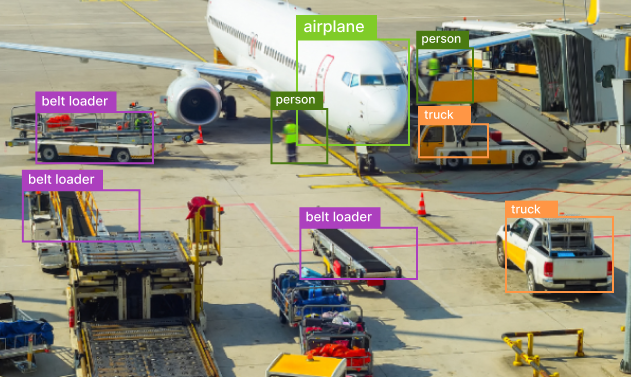
Object detection is a vital application of computer vision that enhances safety and operational efficiency in aviation. In airport settings, computer vision detects and tracks objects, such as unattended baggage or misplaced items, in real time. It also contributes to security screening, baggage scanning, and runway surveillance. For example, cameras equipped with computer vision algorithms help identify prohibited items in baggage, expediting the scanning process while ensuring safety compliance.

5. Intelligent Baggage Handling

Computer vision enhances baggage handling by using deep learning to automate baggage tracking, minimizing the chances of lost luggage. Machine vision systems read baggage labels, track trolley locations, and match baggage data with the airline database. Additionally, AI-driven object detection identifies suspicious items in luggage, playing a significant role in security. These advancements streamline baggage logistics and improve the efficiency of ground operations.

6. Facial Recognition for Passenger Verification

Facial recognition, a widely adopted technology powered by computer vision, verifies passenger identities at check-in, security checkpoints, and boarding gates. The system compares a passenger’s face with pre-registered images, allowing for a seamless boarding process. It also enhances security by identifying potential threats or unauthorized individuals. Airports use these facial recognition systems to ensure all passengers have boarded and to identify suspects if security incidents arise.

7. Cargo Inspection

Cargo security is crucial in aviation. With computer vision algorithms, AI-powered cargo inspection systems can detect dangerous items like explosives, weapons, or narcotics. By employing deep learning, these systems analyze image data from cargo inspections and can quickly flag suspicious patterns. Neural networks trained on annotated images can recognize threats efficiently, helping streamline cargo screening processes and reduce the time needed for inspections.

8. Airport Perimeter Security and Surveillance

Computer vision-based surveillance systems enhance airport security by monitoring perimeters for unauthorized access or suspicious activities. Cameras equipped with AI can identify potential security threats, detect individuals attempting to breach restricted areas, and analyze patterns of movement. This level of security is essential for airports, where monitoring extensive areas manually is challenging. AI systems enable airports to respond to threats faster, maintaining a secure environment for passengers and staff.

9. Crowd Monitoring and Management

Computer vision helps airport authorities manage crowds by monitoring real-time data on crowd density, movement patterns, and unusual activities. These systems reduce false alarms during security checks and allow airport personnel to manage large crowds effectively, which is particularly useful during peak travel seasons. They can also detect unusual events like fire or smoke in real time, adding an extra layer of safety.

10. Missile Guidance in Defense Applications

Beyond civilian applications, computer vision plays a critical role in military aviation for missile guidance and target detection. Advanced image processing and AI sensors in missile systems provide precision in targeting by identifying objects based on their motion and location. This technology enhances targeting accuracy, making it essential for defense systems that require precise and reliable guidance.

Key Takeaways

Computer vision technology is revolutionizing the aviation industry, enabling advancements in safety, efficiency, and operational accuracy. From streamlining security processes to ensuring predictive maintenance, computer vision applications are becoming integral to airport and airline operations. However, adopting these technologies requires overcoming challenges, such as data processing demands and integration with existing systems. Despite these hurdles, the benefits of computer vision are substantial, and its role in aviation will likely continue to grow as technology evolves, paving the way for safer and more efficient air travel.

Powerful PPE Detection: How Computer Vision AI Proves Beneficial in Automotive Parts Manufacturing

In the fast-paced world of automotive parts manufacturing, ensuring safety and compliance with Personal Protective Equipment (PPE) regulations is paramount. With the increase in workplace safety standards and the potential for significant liabilities from non-compliance, manufacturers are turning to advanced technologies like computer vision AI to bolster their safety protocols. This article explores how computer vision AI enhances PPE detection in automotive parts manufacturing, ultimately improving safety, efficiency, and productivity.

Understanding the Importance of PPE in Automotive Manufacturing

Personal Protective Equipment (PPE) encompasses a variety of gear designed to protect workers from hazards that can cause injury or illness. In automotive parts manufacturing, where heavy machinery, toxic substances, and potential hazards abound, PPE is not just a regulatory requirement but a vital component of workplace safety. Common forms of PPE in this environment include helmets, gloves, goggles, ear protection, and safety footwear.

Ensuring that all workers are appropriately equipped with the necessary PPE can reduce workplace accidents, enhance employee morale, and minimize downtime due to injuries. However, manually monitoring compliance can be challenging, especially in large manufacturing facilities where numerous workers are present simultaneously.

The Role of Computer Vision AI in PPE Detection

Computer vision AI leverages advanced algorithms and machine learning techniques to analyze visual data from cameras in real-time. By deploying these systems in automotive manufacturing environments, organizations can automate the monitoring of PPE compliance among employees. Here’s how computer vision AI proves beneficial in this context:

1. Real-Time Monitoring and Alerts

One of the most significant advantages of computer vision AI is its ability to provide real-time monitoring of workers’ PPE compliance. By utilizing strategically placed cameras throughout the manufacturing facility, AI algorithms can detect whether workers are wearing the required PPE. With the integration of AI Video analytics software, the system can immediately analyze video feeds to ensure compliance. If a worker is identified without the necessary equipment, the system can alert supervisors via notifications or alarms. This proactive approach ensures that safety violations are addressed promptly, reducing the risk of accidents.

2. Data-Driven Insights

Computer vision AI systems can collect and analyze vast amounts of data over time, providing valuable insights into PPE compliance trends. By tracking compliance levels across different shifts, departments, and times of day, manufacturers can identify patterns or areas where non-compliance is more frequent. This data can inform training programs, helping to target specific issues and reinforce safety protocols among workers.

3. Improving Training and Awareness

The integration of computer vision AI in PPE monitoring can also enhance training programs. By analyzing data on compliance trends, manufacturers can develop targeted training sessions that address common shortcomings. For example, if the system identifies that workers in a specific area consistently forget to wear safety goggles, tailored training can be implemented to reinforce the importance of this protective measure. Additionally, visual feedback from the AI system can be used in training sessions to demonstrate the correct use of PPE.

4. Reducing Human Error

Manual PPE compliance checks are prone to human error. Supervisors may overlook violations, especially in busy environments where they need to manage multiple tasks simultaneously. Computer vision AI mitigates this risk by providing an objective, consistent monitoring solution that operates without fatigue. This reliability reduces the likelihood of accidents stemming from oversight and ensures a safer working environment.

5. Streamlining Compliance Reporting

In many manufacturing sectors, maintaining records of PPE compliance is crucial for regulatory purposes. Computer vision AI can automate this reporting process by generating comprehensive compliance reports based on real-time data. These reports can include metrics such as the percentage of workers wearing PPE at any given time, compliance trends, and incident reports related to PPE violations. This streamlined approach simplifies regulatory compliance and provides a clear audit trail.

6. Integrating with Existing Systems

Many automotive parts manufacturers already use various digital tools and systems for operations management. Computer vision AI can be seamlessly integrated with existing software platforms, enhancing overall operational efficiency. For instance, AI-powered PPE detection systems can interface with workforce management tools to monitor compliance alongside employee attendance and productivity metrics. This integration enables manufacturers to develop a holistic view of their operations, optimizing both safety and efficiency.

7. Enhancing Worker Accountability

The presence of computer vision AI systems can foster a culture of accountability among workers. Knowing that their compliance with PPE regulations is being monitored can encourage employees to take personal responsibility for their safety and that of their colleagues. This cultural shift can lead to a more engaged workforce that prioritizes safety, thereby reducing the likelihood of injuries and accidents.

8. Cost-Effectiveness and ROI

Implementing computer vision AI for PPE detection can initially require an investment in technology and infrastructure. However, the long-term benefits often outweigh these costs. By reducing workplace accidents, minimizing downtime, and improving compliance, manufacturers can achieve a substantial return on investment (ROI). Additionally, fewer accidents lead to lower insurance premiums and reduced liability costs, further enhancing financial benefits.

Challenges and Considerations

While the benefits of computer vision AI in PPE detection are significant, manufacturers must also consider potential challenges:

  • Implementation Costs: Initial setup costs for cameras, software, and infrastructure can be high. Manufacturers must weigh these costs against potential savings.
  • Privacy Concerns: Monitoring employees through cameras raises privacy concerns. Clear policies and communication about the purpose of monitoring are essential to address these issues.
  • Technological Limitations: While AI technology is advancing rapidly, it is not infallible. Manufacturers should be aware of the potential for false positives or negatives in compliance detection.

Conclusion

Incorporating computer vision AI for PPE detection in automotive parts manufacturing offers a transformative solution to enhance workplace safety and compliance. By leveraging real-time monitoring, data-driven insights, and automation, manufacturers can significantly reduce the risk of workplace injuries and foster a culture of safety. While challenges exist, the long-term benefits—ranging from improved safety and reduced costs to enhanced employee morale—make computer vision AI a powerful ally in the quest for safer manufacturing environments. As technology continues to evolve, its role in ensuring PPE compliance will likely become even more critical, solidifying its place as a cornerstone of modern manufacturing practices.

Design a site like this with WordPress.com
Get started