AI Video Analytics: Unveiling Ways It Boosts Brick-and-Mortar Stores

Brick-and-mortar stores are continually adapting to survive in a competitive retail landscape dominated by eCommerce giants. Artificial Intelligence (AI) video analytics has emerged as a powerful tool for physical stores to not only stay competitive but also gain insights that drive customer experience, enhance security, and optimize store operations. The technology leverages AI algorithms to analyze video footage in real-time, offering actionable data that can transform retail environments.

This article explores the numerous ways AI video analytics boosts brick-and-mortar stores, enhancing their performance and long-term viability.

1. Understanding Customer Behavior and Preferences

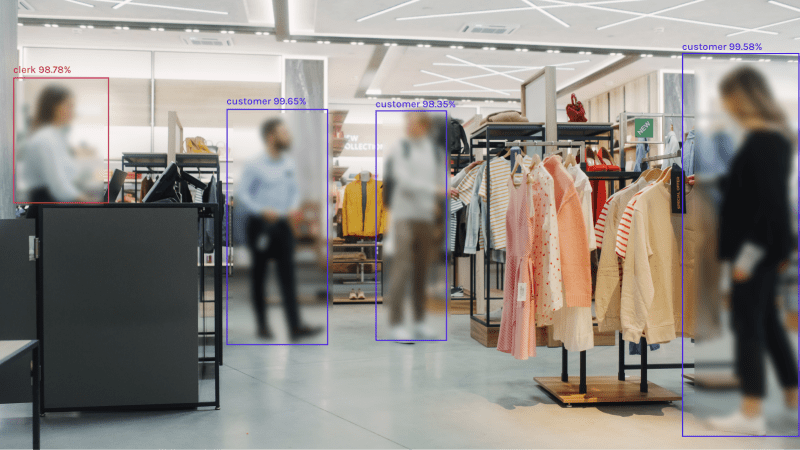
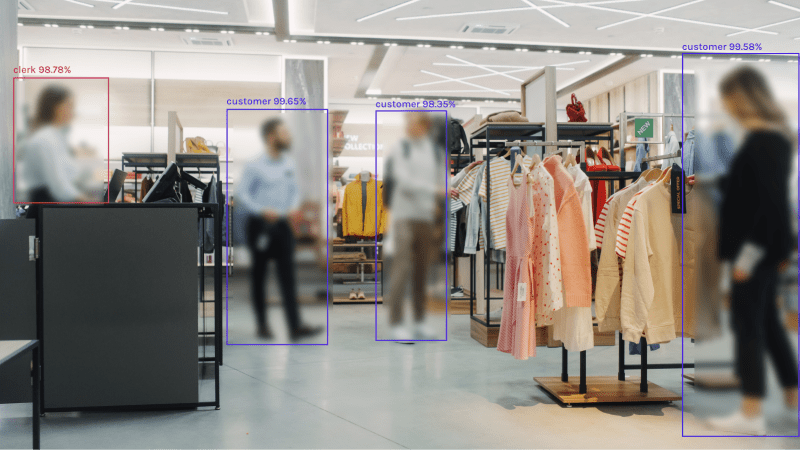
One of the most significant advantages AI video analytics brings to brick-and-mortar stores is the ability to understand customer behavior. AI Video analytics software analyzes video feeds to identify patterns in how customers navigate the store, which products they linger on, and which items they ignore. This data is vital in creating customer profiles, helping store managers:

  • Optimize store layout: By understanding traffic patterns, stores can strategically place high-margin products in high-traffic areas.
  • Personalized marketing: With AI Video analytics software, retailers can tailor in-store marketing efforts based on customer demographics and behavior, increasing sales.
  • Enhance product placements: The software allows retailers to make data-driven decisions on which products to promote based on real-time customer interactions with product displays.

By using AI Video analytics software, brick-and-mortar stores can gain deeper insights into customer preferences, leading to better decision-making and a more engaging in-store experience.

2. Footfall Analytics and Store Traffic Monitoring
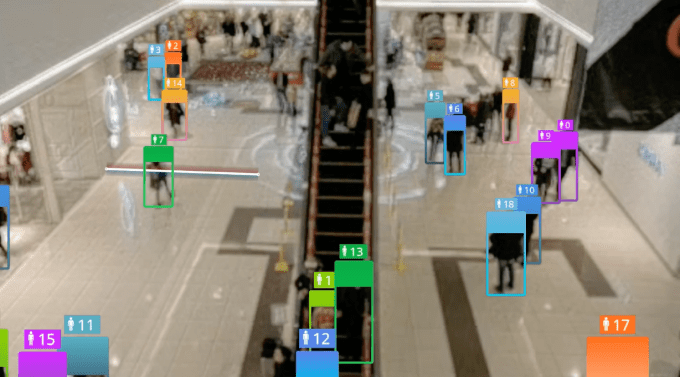
AI video analytics provides accurate footfall counting, which gives retailers an in-depth understanding of customer traffic patterns. The integration of footfall counting software allows stores to track how many people enter and exit the premises, providing valuable insights that can drive operational efficiency. The data collected can:

  • Measure store performance: By analyzing peak hours and footfall data, stores can adjust staffing levels and marketing efforts accordingly.
  • Optimize operational efficiency: Managers can adjust inventory and promotions based on real-time insights into the number of visitors.
  • Evaluate marketing campaigns: Footfall analytics can measure the effectiveness of advertising campaigns, helping store owners understand which promotions attract more customers.

Additionally, AI-driven footfall counters can segment customers by demographic features such as age and gender, offering detailed insights into the types of people who visit the store. This is particularly helpful for refining marketing strategies and improving the customer experience.

3. Customer Service Enhancement through Queue Management

Long waiting times are one of the primary reasons for customer dissatisfaction in brick-and-mortar stores. AI video analytics can address this issue by monitoring queues in real-time. The system can:

  • Detect bottlenecks: By identifying areas where customer queues are forming, the store can dispatch more staff to assist, ensuring a smooth shopping experience.
  • Reduce wait times: AI-powered systems can predict when checkout lanes will become busy and alert staff in advance to open more counters.
  • Improve customer satisfaction: With real-time queue management, stores can reduce wait times and improve the overall shopping experience, leading to higher customer retention.

4. Loss Prevention and Security Enhancements

Shrinkage due to theft and fraud is a major concern for brick-and-mortar retailers. AI video analytics can significantly enhance store security by enabling:

  • Real-time theft detection: AI systems can analyze suspicious behaviors such as loitering near high-value items or unusual movements, sending immediate alerts to security personnel.
  • Employee monitoring: Video analytics can also help prevent internal theft by tracking employee behavior and identifying any irregular activities.
  • Fraud detection: AI systems can detect fraudulent activities like fake returns or price tag switching in real-time, helping retailers protect their assets.

The use of AI for security reduces the need for constant human surveillance, allowing store staff to focus more on customer service and less on security concerns.

5. Enhanced Marketing Campaigns with Heat Maps
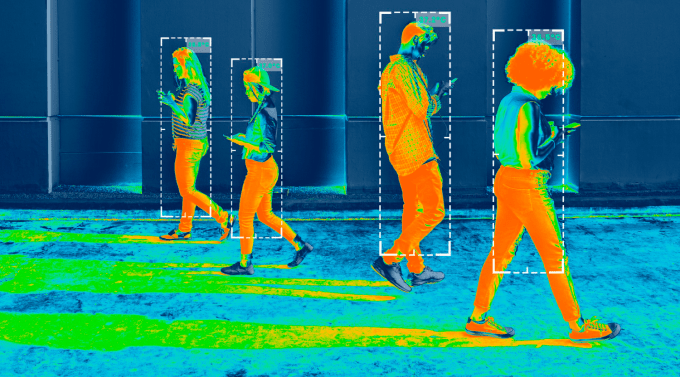
AI video analytics can generate heat maps, which show the most and least visited areas of a store. This data provides insights into customer preferences and behaviors, allowing for more effective marketing strategies. Heat maps can help:

  • Optimize product placement: By identifying areas with the highest traffic, retailers can place promotional items or best-selling products where they are most likely to catch customers’ attention.
  • Refine store layout: Heat maps provide insights into which areas of the store are underused, allowing managers to redesign layouts to improve customer flow and enhance engagement with products.
  • Test marketing strategies: By tracking customer movements, retailers can experiment with different product placements, displays, or layouts to see what works best for driving sales.

6. Personalized Customer Engagement

AI video analytics allows brick-and-mortar stores to engage customers in a more personalized way. By combining video data with other customer data, retailers can:

  • Deliver targeted offers: Stores can send personalized promotions or discounts to customers’ smartphones based on their behavior in-store, creating a more tailored shopping experience.
  • Recognize loyal customers: AI systems can identify returning customers and notify staff, allowing them to offer personalized greetings or rewards, enhancing the overall experience.
  • Track customer sentiment: AI can analyze facial expressions to gauge customer satisfaction, giving retailers insights into whether their in-store strategies are working.

7. Improved Store Operations and Efficiency

Operational efficiency is a key concern for brick-and-mortar retailers, and AI video analytics can help in the following ways:

  • Automate inventory management: By monitoring stock levels and tracking customer interactions with products, AI systems can notify managers when certain items are running low or when products aren’t selling as expected.
  • Optimize staff allocation: Video analytics can identify peak shopping times, helping managers deploy the right number of staff at the right time to ensure smooth operations.
  • Monitor cleaning and maintenance: Video analytics can track how often specific areas are used and alert staff when cleaning is needed, ensuring a safe and pleasant shopping environment.

These operational improvements lead to higher productivity, reduced costs, and a better shopping experience for customers.

8. Data-Driven Decision-Making

Perhaps the most significant benefit AI video analytics brings to brick-and-mortar stores is the ability to make data-driven decisions. Retailers can:

  • Analyze real-time data: AI video analytics provides real-time insights, allowing stores to react quickly to changing customer needs or operational challenges.
  • Predict trends: By analyzing historical video data, AI systems can identify trends and make predictions about future customer behavior, helping retailers stay ahead of the competition.
  • Benchmark performance: Retailers can use video analytics data to compare store performance across different locations, identifying areas for improvement or potential growth opportunities.

Conclusion

Since last year AI-driven data video analytics have become one of the significant tools for retailers to optimize business processes, satisfy customer demands and build marketing strategies. It can effectively monitor retail processes effectively contributing to increasing the work efficiency of retail employees. Are you looking for the best AI video analytics? Nextbrain is the leading AI development company creating world-class AI Security Video Analytics Software for different industry verticals. The company comprises expert developers having years of experience in leveraging modern technologies and trends in curating end-to-end solutions for businesses. Connect with expert professionals of Nextbrain and acknowledge the techs involved in AI video analytics.
Redefining Hospitality Safety: How Vision AI Elevates Hotel Operations and Workplace Safety

The hospitality industry has always been at the forefront of customer service and experience, but it faces unique challenges when it comes to safety and security. With an ever-evolving landscape of potential risks—from theft and vandalism to guest safety and employee wellbeing—hotels must leverage innovative technologies to protect their assets and ensure a secure environment. One of the most promising technologies in this realm is Vision AI. By integrating AI-driven video analytics into hotel operations, establishments can redefine safety protocols, enhance operational efficiency, and improve the overall guest experience.

Understanding Vision AI in Hospitality

Vision AI refers to the use of artificial intelligence and computer vision technology to analyze video feeds in real-time. This sophisticated technology can process visual information, detect patterns, and identify anomalies, providing actionable insights that can be applied in various contexts. In the hospitality sector, computer vision AI in hospitality can significantly enhance security measures, operational workflows, and customer service, ensuring a safer and more efficient environment.

Enhancing Security Measures with Vision AI

Real-Time Surveillance

Traditional security systems often rely on passive surveillance, where cameras simply record footage without any intelligent analysis. Vision AI transforms this paradigm by providing real-time monitoring capabilities. AI algorithms can analyze live video feeds, detecting unusual behavior such as unauthorized access to restricted areas or suspicious gatherings. This proactive approach allows security personnel to respond promptly to potential threats, mitigating risks before they escalate.

Facial Recognition

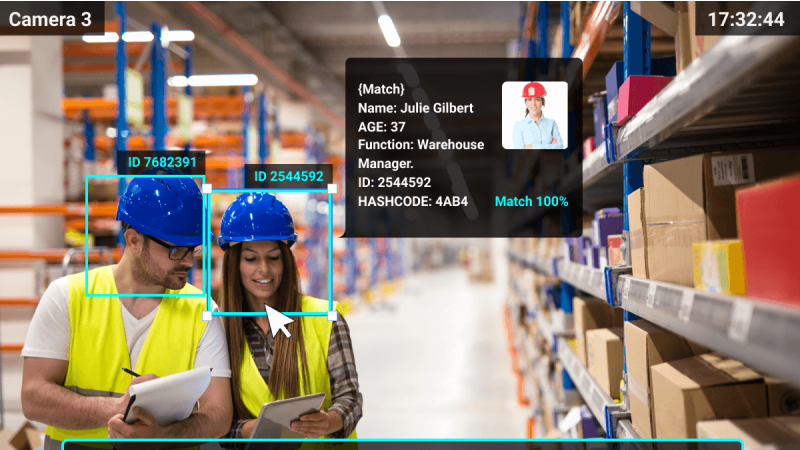
Facial recognition technology, powered by Vision AI, offers another layer of security for hotels. By identifying guests and staff members, hotels can ensure that only authorized individuals have access to specific areas, such as employee-only zones or secure storage facilities. Additionally, if a known offender is identified, security can take immediate action, potentially preventing theft or harm to guests.

Crowd Management

Managing crowds in hotels, especially during peak seasons or events, can be challenging. Vision AI can monitor guest movement patterns, helping hotel staff identify congested areas and facilitating better crowd control. By analyzing foot traffic, hotels can optimize staffing levels and allocate resources more efficiently, ensuring a smoother experience for guests.

Emergency Response

In the event of an emergency—whether it’s a fire, medical issue, or security threat—Vision AI can assist in quick decision-making. By analyzing live footage and identifying the location of the incident, security personnel can relay critical information to first responders, ensuring a rapid and effective response. Additionally, AI-driven analytics can help assess the overall safety of the environment during emergencies, allowing for more informed decisions regarding evacuation or containment.

Elevating Operational Efficiency

Staff Monitoring and Safety

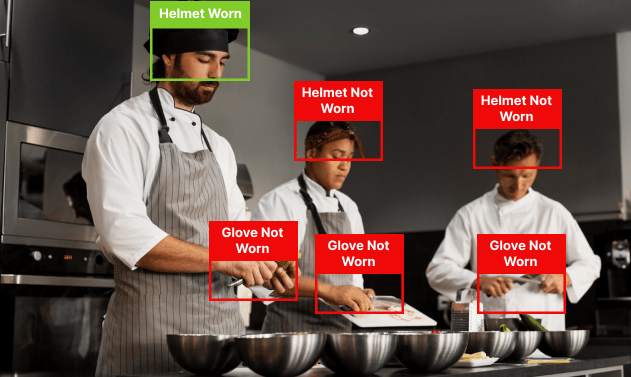
The safety of hotel staff is just as crucial as guest safety. Vision AI can monitor staff activities, ensuring compliance with safety protocols and identifying potential hazards. For instance, in areas such as kitchens or maintenance zones, AI can detect unsafe behaviors, like improper use of equipment or lack of personal protective gear. By addressing these issues in real-time, hotels can create a safer working environment and reduce the risk of accidents.

Streamlining Guest Services

Vision AI can also enhance guest services, leading to improved satisfaction and safety. For instance, AI can analyze guest behavior patterns, allowing staff to anticipate needs and provide personalized service. If a guest appears lost or confused, staff can be alerted to offer assistance proactively. This level of attentiveness not only enhances the guest experience but also contributes to overall safety by ensuring that guests feel supported and secure.

Predictive Maintenance

By leveraging AI to analyze video footage of equipment and infrastructure, hotels can identify maintenance needs before they become serious issues. For example, if an AI system detects a leak in a plumbing area or identifies wear and tear on furniture, maintenance teams can be dispatched to address the problem proactively. This predictive maintenance approach helps prevent accidents and maintains a safe environment for both guests and staff.

Improving Guest Experience and Satisfaction

Enhanced Privacy

While security is paramount, guests also value their privacy. Vision AI can help strike the right balance by providing security without intrusive surveillance. With AI-driven analytics, hotels can monitor common areas and ensure safety without compromising the comfort and privacy of individual guests. This approach fosters a sense of security while allowing guests to enjoy their stay without feeling overly monitored.

Personalization

Vision AI can also contribute to personalized guest experiences. By analyzing guest preferences and behaviors, hotels can tailor services and offers that resonate with their clientele. For example, if the system detects that a guest frequently visits the gym, the hotel can send personalized fitness-related offers or information, enhancing their overall stay and satisfaction.

Seamless Check-in and Check-out

Vision AI can streamline the check-in and check-out processes, reducing wait times and enhancing guest satisfaction. By utilizing facial recognition technology, hotels can allow guests to check in without the need for traditional front desk interactions. This not only improves efficiency but also minimizes potential safety risks associated with large crowds at the reception area.

Conclusion

Computer vision AI in hospitality has become a transformative power reshaping safety protocols and operational efficiency to guests. For hospitality and hotel operations, technology has turned out to be a cornerstone in elevating their establishments. The hotel industry is evolving rapidly embracing AI-enabled technology as an effective tool for automating operations. Are you on the lookout for the best AI surveillance solutions for your hotel business? Nextbrain is the leading AI development company comprising experienced professionals who create best-in-class solutions for businesses. 

Impact of AI Video Analytics: Top 10 Ways it Can Improve Hospital Safety & Security Standards

The healthcare sector is under constant pressure to provide high-quality care while maintaining a secure and safe environment for patients, staff, and visitors. Hospitals face numerous challenges, from managing large volumes of people to preventing security breaches, all while ensuring patient confidentiality and safety. AI video analytics has emerged as a transformative technology that can significantly enhance hospital safety and security standards. 

Here’s a look at the top 10 ways AI video analytics can improve hospital safety and security:

Real-Time Monitoring and Incident Response

AI video analytics can monitor hospital environments in real-time, detecting unusual activities or security breaches instantly. The system can automatically alert security personnel about potential threats, such as unauthorized access to restricted areas, ensuring a swift response. This capability reduces the time between an incident occurring and the response, which is critical in emergency situations.

Enhanced Access Control

Hospitals have areas that require restricted access, such as operating rooms, intensive care units, and pharmaceutical storage. AI video analytics software can work in tandem with access control systems to verify identities and monitor entry points. The technology can detect and flag unauthorized personnel attempting to access these areas, thus preventing potential security threats or breaches of confidentiality.

Patient Monitoring and Safety

Patient safety is a top priority in healthcare settings. AI video analytics can continuously monitor patients, especially those in critical care or with conditions requiring constant observation. The system can detect falls, sudden movements, or signs of distress, automatically notifying medical staff to intervene promptly. This proactive monitoring can prevent accidents and ensure timely medical attention.

Improved Visitor Management

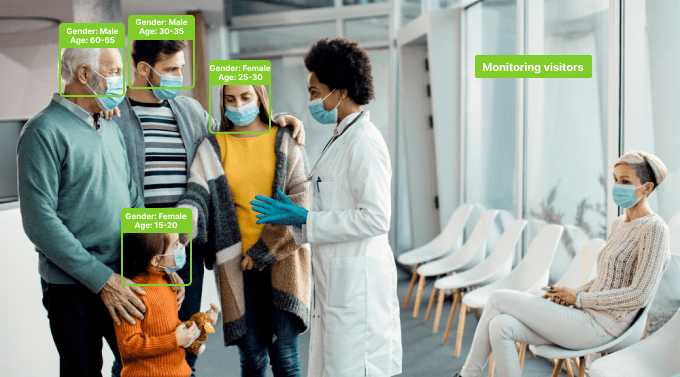
Hospitals often deal with a high volume of visitors, which can be difficult to manage effectively. AI video analytics for healthcare safety can enhance visitor management by tracking the movement of people throughout the facility. The technology can detect loitering, unauthorized access to restricted areas, or any suspicious behavior. This ensures that only authorized individuals are present in sensitive areas, enhancing overall security, while also improving the flow of visitors to prevent congestion or mismanagement.

Crowd Management and Social Distancing

Hospitals can become crowded, especially during peak hours or emergency situations. AI video analytics can help manage crowds by monitoring patient and visitor flow, identifying bottlenecks, and ensuring that social distancing measures are observed. This is particularly important during pandemics or outbreaks when maintaining distance can be crucial to preventing the spread of infections.

Detection of Aggressive Behavior

Aggressive behavior in hospitals, whether from patients, visitors, or staff, poses a significant safety risk. AI video analytics can detect signs of aggression, such as raised voices or physical altercations, and immediately alert security personnel. Early detection allows for rapid de-escalation of potentially dangerous situations, protecting everyone involved.

Asset Protection and Loss Prevention

Hospitals house expensive medical equipment and pharmaceuticals that need to be safeguarded against theft or misuse. AI video analytics can monitor these assets, detecting any unauthorized attempts to move or tamper with them. The system can also track the movement of medical supplies, ensuring that they are used appropriately and reducing the risk of loss or theft.

Operational Efficiency

Beyond safety and security, AI video analytics can contribute to the operational efficiency of a hospital. By monitoring the flow of patients, staff, and equipment, the system can identify inefficiencies or areas where processes can be streamlined. For example, it can detect when a waiting room is becoming overcrowded, prompting staff to speed up patient intake or redistribute resources.

Compliance with Health and Safety Regulations

Hospitals must comply with numerous health and safety regulations, and failure to do so can result in significant penalties. AI video analytics can ensure that these regulations are followed by monitoring hygiene practices, such as handwashing or the use of personal protective equipment (PPE). The system can alert management if any lapses occur, helping to maintain compliance and reduce the risk of infection.

Data-Driven Insights for Continuous Improvement

AI video analytics generates vast amounts of data that can be used to improve hospital safety and security continuously. By analyzing trends and patterns in the data, hospitals can identify areas of risk or opportunities for improvement. For example, if the system detects a pattern of unauthorized access attempts in a particular area, the hospital can take steps to reinforce security measures in that location.

Conclusion

After observing a complete analysis of the AI video analytics software, it becomes clear that video intelligence has been able to spread to a vast array of situations. AI-driven video surveillance and analytics have been a major development in the technology industry. Nextbrain is one of the leading AI software development companies having many years of expertise in creating premium quality solutions for different industry verticals. By harnessing AI analytics as part of surveillance will be able to improve safety measures within the healthcare facility.

Transforming Mining Safety: The Impact of Computer Vision AI

The mining industry is renowned for its hazardous working conditions, with risks such as cave-ins, explosions, toxic exposure, and equipment failures being prevalent. As mining companies strive to enhance safety standards, the integration of advanced technologies, particularly Computer Vision AI, is emerging as a game-changer. By harnessing the power of AI-driven computer vision systems, the mining sector can significantly mitigate accidents, refine safety protocols, and boost operational efficiency. This article delves into how Computer Vision AI is revolutionizing safety within the mining industry.

What is Computer Vision AI?

Computer Vision AI involves using machine learning algorithms and neural networks to enable computers to interpret and make decisions based on visual data. In mining, this technology is employed to analyze real-time footage captured by cameras placed in mines, processing plants, and on vehicles. This analysis helps in detecting potential hazards, monitoring worker behavior, and ensuring adherence to safety regulations.

Boosting Operational Efficiency

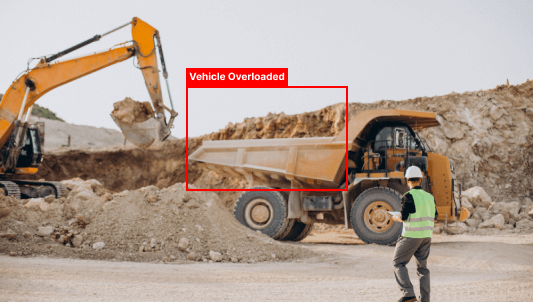
While enhancing safety is a primary concern, Computer Vision AI also plays a crucial role in optimizing operational efficiency. By automating the monitoring of mining activities, AI systems can pinpoint inefficiencies and streamline processes. For instance, AI can oversee the loading and unloading of materials, ensuring that trucks and conveyors operate efficiently without overloading, which could lead to accidents.

Computer Vision AI for mining safety extends its benefits beyond just risk mitigation. It aids in identifying operational bottlenecks and improving process flows. AI systems can track worker movements and behaviors, spotting patterns that may indicate fatigue or distraction—common causes of accidents in mining. By addressing these issues, mining companies can create a safer and more productive work environment, demonstrating the dual advantage of AI in enhancing both safety and efficiency.

Autonomous Mining Vehicles

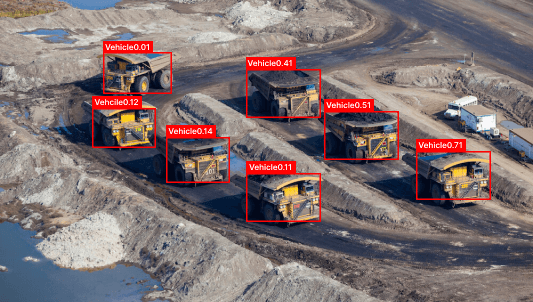
The introduction of autonomous vehicles has greatly reduced the risk of accidents involving heavy machinery in mining. Computer Vision AI is integral to these autonomous systems, enabling vehicles to navigate complex mining environments safely. By processing visual data from multiple cameras and sensors, these vehicles can detect obstacles, avoid collisions, and follow optimal paths, reducing the risk of human error.

Autonomous mining vehicles equipped with Computer Vision AI are not only safer but also more efficient, operating continuously without the need for breaks.

Emergency Response and Incident Analysis

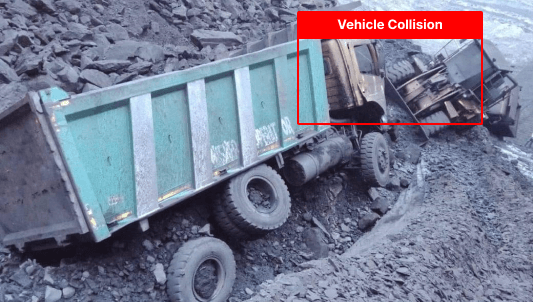
In the event of an accident, Computer Vision AI can be instrumental in emergency response and incident analysis. AI-powered cameras provide real-time footage of the incident, assisting emergency teams in assessing the situation and responding promptly.

Moreover, AI systems analyze footage before, during, and after incidents to identify root causes and provide insights into preventing similar accidents in the future. This data-driven approach helps mining companies continually refine their safety protocols and reduce the likelihood of future incidents.

Real-Time Hazard Detection

One of the standout advantages of Computer Vision AI in mining is its ability to detect hazards in real-time. Given the dynamic nature of mining environments, AI-powered systems continuously monitor conditions to identify signs of structural instability, hazardous gases, or unsafe equipment usage.

For instance, AI systems can detect cracks in mine walls or ceilings, providing early warnings before collapses occur. They can also monitor gas levels, raising alarms if toxic gases like methane or carbon monoxide reach dangerous levels. By offering real-time alerts, Computer Vision AI helps prevent accidents that could lead to injuries or fatalities.

Enhancing Worker Safety with PPE Monitoring

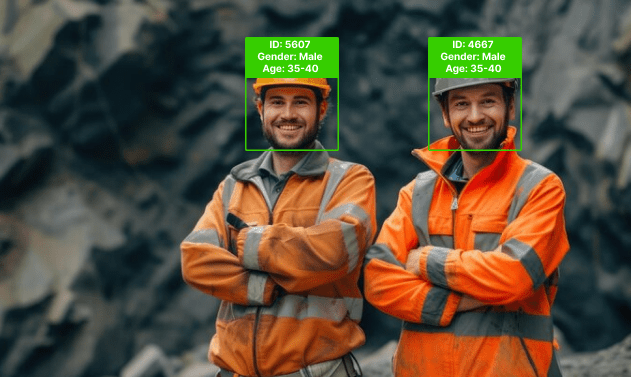
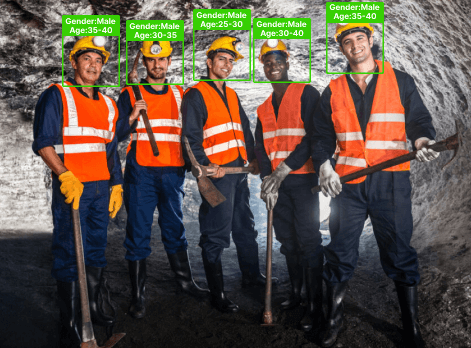
Personal Protective Equipment (PPE) is essential for worker safety in hazardous mining environments. Ensuring that all workers consistently wear and correctly use their PPE can be challenging. Computer Vision AI systems address this by monitoring workers as they enter and operate in mines, automatically checking for compliance with PPE requirements.

These systems can detect whether a worker is wearing necessary gear such as helmets, safety glasses, and gloves. If a worker is found without the required PPE, the system can immediately alert supervisors or halt operations until the issue is resolved. This automated monitoring not only improves worker safety but also ensures strict adherence to safety protocols.

Equipment Monitoring and Maintenance

Mining operations depend heavily on machinery and equipment, and failures can have severe consequences. Computer Vision AI is critical for real-time monitoring of equipment conditions. By analyzing visual data from cameras and sensors, AI systems can detect signs of wear and tear, overheating, or other issues that could lead to equipment failures.

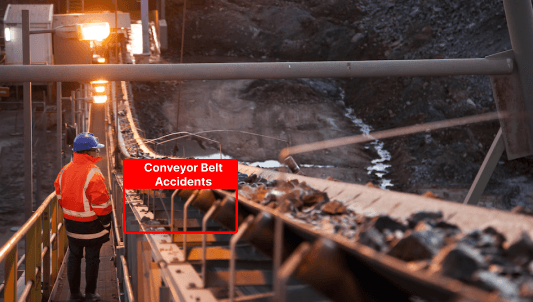
For example, AI can assess the condition of conveyor belts, identifying frayed edges or misalignments that might cause breakdowns. It can also monitor drilling equipment for excessive vibration or abnormal movements, signaling potential malfunctions. Early detection of these issues enables predictive maintenance, reducing the risk of equipment failure and associated accidents.

Challenges and Considerations

Despite the significant benefits, implementing Computer Vision AI in mining comes with challenges. The harsh conditions in mines—such as low light, dust, and vibrations—can impact the accuracy of AI systems. Ensuring that AI algorithms are trained to handle these conditions is essential for reliable performance.

Moreover, integrating AI technology requires substantial investment in infrastructure and technology. Mining companies must balance these costs with the potential safety and efficiency gains.

The rise of AI also raises concerns about job displacement. While AI enhances safety and efficiency, it may reduce the need for certain manual roles. Addressing these concerns involves retraining workers and creating new opportunities within the industry.

The Future of Mining with Computer Vision AI

As technology advances, the role of Computer Vision AI in mining is poised to expand. Future developments may include more advanced AI algorithms capable of predicting and preventing accidents with even greater accuracy. The integration of AI with technologies like the Internet of Things (IoT) and big data analytics will further enhance monitoring and management of mining operations.

The adoption of Computer Vision AI marks a significant step forward in improving safety standards in mining. By leveraging AI, mining companies can create safer work environments, protect their workers, and enhance operational efficiency, paving the way for a more sustainable and responsible industry.

Conclusion

Computer Vision AI is transforming the mining industry by enhancing safety measures and reducing accident risks. From real-time hazard detection and PPE monitoring to equipment maintenance and autonomous vehicles, AI is helping mining companies achieve safer and more efficient operations. The incorporation of AI video analytics software further amplifies the effectiveness of these safety measures, ensuring continuous monitoring and real-time responses to potential hazards. While challenges remain, the potential benefits of AI in mining are substantial, promising a safer and more sustainable future for this critical industry.

AI Detection of Weapons and Violence: Leveraging Real-Time Security Intelligence for Enhanced Public Safety

In today’s rapidly evolving world, ensuring public safety is a paramount concern for cities, organizations, and institutions. The integration of artificial intelligence (AI) into security systems has emerged as a transformative approach, enhancing the ability to detect weapons and violent behavior in real-time. This article explores how AI-powered detection systems are revolutionizing public safety by offering advanced, real-time intelligence to prevent incidents before they escalate.

The Evolution of Security Intelligence

Historically, security measures relied heavily on manual monitoring and traditional surveillance methods. Security personnel would review footage from CCTV cameras, analyze reports, and respond to incidents based on predefined protocols. While these methods provided a foundational level of security, they were often reactive rather than proactive.

With the advent of AI, particularly in the realm of AI in detecting weapons and violence, the landscape of security intelligence has shifted dramatically. AI systems are now capable of analyzing vast amounts of video data in real-time, identifying potential threats with unprecedented accuracy and speed. This shift from manual to automated processes allows for more proactive measures, potentially preventing violent incidents before they occur.

How AI Detection Works

AI detection systems for weapons and violence typically utilize advanced algorithms and deep learning techniques to process video feeds from security cameras. Here’s a breakdown of how these systems operate:

  1. Data Collection: High-resolution cameras placed in strategic locations capture continuous video footage. These cameras may be installed in public spaces, transportation hubs, educational institutions, and other areas requiring enhanced security.
  2. Preprocessing: The raw video data is preprocessed to improve clarity and remove noise. This step is crucial for accurate detection, as it ensures that the AI system can focus on relevant features and ignore irrelevant information.
  3. Feature Extraction: AI algorithms analyze the video data to identify key features indicative of weapons or violent behavior. For instance, the system may detect the shape and movement of objects to determine if they resemble known weapon profiles.
  4. Threat Detection: Using deep learning models, the system classifies objects and actions in the video feed. For example, if the AI identifies an object that resembles a firearm or observes aggressive movements consistent with violence, it triggers an alert.
  5. Alert Generation: When a potential threat is detected, the system generates real-time alerts for security personnel. These alerts include detailed information such as the location, time, and nature of the threat, enabling a swift response.
  6. Continuous Learning: AI systems continuously learn and adapt based on new data and feedback. This iterative learning process improves the system’s accuracy over time, reducing false positives and enhancing threat detection capabilities.

Benefits of AI Detection Systems

The integration of AI in detecting weapons and violence offers several key benefits:

  1. Enhanced Accuracy: AI systems can analyze video feeds with high precision, distinguishing between real threats and harmless objects. This level of accuracy minimizes the risk of false alarms and ensures that security personnel can focus on genuine threats.
  2. Real-Time Monitoring: Unlike traditional methods that rely on post-incident analysis, AI detection systems provide real-time monitoring. This immediate feedback allows for quicker responses, potentially preventing incidents before they escalate.
  3. Scalability: AI-powered systems can handle large volumes of data and scale to cover extensive areas. This scalability is particularly valuable in environments with multiple surveillance points, such as airports, stadiums, and city centers.
  4. Proactive Security Measures: By identifying potential threats early, AI systems enable proactive security measures. For instance, if the system detects a person carrying a weapon, security personnel can intervene before the individual reaches a sensitive area.
  5. Reduced Human Error: Manual monitoring is susceptible to human error and fatigue. AI systems, on the other hand, operate continuously without the risk of distraction or oversight, ensuring consistent and reliable surveillance.
  6. Cost Efficiency: While the initial investment in AI technology may be significant, the long-term benefits include reduced reliance on human security personnel and fewer incidents requiring costly interventions.

Case Studies and Applications

Several real-world applications and case studies highlight the effectiveness of AI detection systems:

  1. Public Transportation: In some metropolitan areas, AI detection systems have been implemented in subway stations and bus terminals. These systems monitor passenger behavior, detecting suspicious activities such as the presence of weapons or aggressive behavior. In one instance, an AI system successfully identified an individual carrying a concealed firearm, leading to a timely intervention by security personnel.
  2. Educational Institutions: Schools and universities have adopted AI-powered surveillance to enhance campus security. By monitoring common areas such as hallways and entrances, these systems can detect potential threats and alert campus security, thereby improving the overall safety of students and staff.
  3. Event Venues: Large event venues, such as sports stadiums and concert halls, use AI detection systems to ensure the safety of attendees. These systems can identify weapons or violent behavior in crowded environments, allowing security teams to address potential threats before they escalate.

Challenges and Considerations

While AI detection systems offer numerous benefits, there are also challenges and considerations to address:

  1. Privacy Concerns: The use of AI in surveillance raises privacy issues. It’s essential to balance security measures with individual privacy rights, ensuring that surveillance systems are used responsibly and ethically.
  2. False Positives: Although AI systems are highly accurate, they are not infallible. False positives can occur, leading to unnecessary disruptions. Continuous refinement of algorithms and regular updates are necessary to minimize false alarms.
  3. Integration and Maintenance: Implementing AI detection systems requires integration with existing security infrastructure and ongoing maintenance. Ensuring compatibility and regular updates is crucial for optimal performance.
  4. Data Security: The handling and storage of video data must comply with data protection regulations. Ensuring robust security measures to protect sensitive information is vital.

The Future of AI in Public Safety

As technology advances, the future of public safety is increasingly intertwined with AI-driven solutions. AI Video Analytics software is one of the most promising innovations in this field. This cutting-edge technology leverages artificial intelligence to analyze video footage in real-time, offering enhanced surveillance capabilities and automated threat detection.

AI Video Analytics software is set to revolutionize public safety by providing more accurate and timely insights into potential risks. By processing vast amounts of video data, this software can identify suspicious behavior, monitor crowd movements, and detect anomalies that might indicate security threats. The integration of AI allows for proactive responses, reducing the time required to address potential issues and improving overall public safety measures.

Looking ahead, the role of AI Video Analytics software will likely expand, incorporating more advanced features such as predictive analytics and deeper integration with other smart city technologies. This evolution will not only enhance the efficiency of public safety operations but also contribute to creating safer urban environments.

Conclusion

It can be concluded that future developments will majorly focus on advancing the speed and accuracy of detection models integrating more advanced AI capabilities. It expands the use of open-source tools and datasets effectively improving the capability to detect and respond to threats. Are you in search of AI detection software for your working facility infrastructure? At Nextbrain, we have a core team of dedicated professionals with years of experience in developing expert solutions for different businesses. Nextbrain provides a comprehensive evaluation and industry-leading solutions for protecting and connecting different environments. 

Connect with our professionals to know more about AI detection of weapons and violence.

Generative AI’s Impact on the Future of Digital Signage

Digital signage has revolutionized the way businesses, educational institutions, healthcare facilities, and public spaces communicate with their audiences. From retail stores to corporate offices, digital displays have become an integral part of delivering timely and relevant information. However, the integration of generative AI is poised to further transform digital signage, making it more dynamic, personalized, and effective. This article explores how generative AI is impacting the future of digital signage and what this means for various industries.

Personalized Content Generation

One of the most significant impacts of generative AI on digital signage is its ability to create personalized content in real time. Unlike traditional digital signage, which often displays static or pre-scheduled content, generative AI can analyze data from various sources—such as customer demographics, behavior patterns, and even external factors like weather conditions—to create tailored messages for specific audiences.

For example, in a retail setting, generative AI can analyze a customer’s previous purchases, browsing history, and in-store behavior to generate personalized promotions or product recommendations displayed on digital signage. This level of personalization enhances the customer experience and can lead to higher conversion rates.

Dynamic and Adaptive Visuals

Generative AI can also revolutionize the aesthetics of digital signage by creating dynamic and adaptive visuals. Traditional digital signage content is often designed by human creatives, which can be time-consuming and limited by human imagination. Generative AI can automate this process by generating visuals that adapt to the environment or the audience in real time.

In corporate settings, for example, generative AI can create visuals for digital signage that adapt to different times of the day, events, or employee preferences. This capability allows businesses to keep their digital signage content fresh and engaging without constantly updating it manually.

Enhanced Interactivity

Generative AI can significantly enhance the interactivity of digital signage, making it more engaging and responsive to user inputs. Traditional digital signage is often passive, displaying information without any interaction from the audience. With generative AI, digital signage can respond to user actions, such as gestures, voice commands, or even facial expressions.

In a healthcare environment, for instance, generative AI can power interactive digital signage that helps patients navigate the facility, answer common questions, or even provide personalized health information based on patient data. This level of interactivity not only improves user experience but also makes digital signage a more valuable tool for communication and engagement.

Real-Time Data Integration

Generative AI excels at processing and analyzing vast amounts of data in real time. This capability is particularly valuable for digital signage that needs to display information based on real-time data inputs. Whether it’s stock market updates, news feeds, social media trends, or live sports scores, generative AI can generate and display content that reflects the latest information.

In the context of smart cities, generative AI can power digital signage software that displays real-time traffic updates, public transportation schedules, or emergency alerts. This real-time data integration ensures that the information displayed on digital signage is always current and relevant, enhancing its utility for both residents and visitors.

Cost Efficiency and Scalability

The use of generative AI in digital signage can lead to significant cost savings and scalability. Traditionally, creating high-quality content for digital signage requires hiring designers, content creators, and technicians to manage and update the content. Generative AI can automate much of this process, reducing the need for human intervention and lowering operational costs.

Moreover, generative AI allows businesses to scale their digital signage efforts more easily. With AI-generated content, businesses can quickly expand their digital signage networks across multiple locations without the need for extensive human resources. This scalability is particularly beneficial for large enterprises, retail chains, and global brands.

Innovative Advertising Opportunities

Generative AI opens up new possibilities for innovative advertising on digital signage. Advertisers can leverage AI to create hyper-targeted campaigns that dynamically adjust based on audience demographics, behavior, and contextual factors. This level of customization can lead to more effective advertising and higher ROI.

For example, a digital billboard powered by generative AI can analyze the demographics of people passing by and generate advertisements tailored to that specific audience. If the AI detects a predominance of young adults, it might display ads for trendy fashion brands or tech gadgets. Conversely, if the audience skews older, the AI might generate ads for luxury products or travel packages.

Content Diversity and Creativity

Generative AI can generate content in various formats, including text, images, videos, and even 3D animations. This versatility allows digital signage to display a diverse range of content, catering to different audience preferences and enhancing engagement.

In an educational setting, for instance, generative AI can create educational content in multiple formats—such as interactive quizzes, informative videos, or 3D models—that are displayed on digital signage. This diversity of content not only keeps students engaged but also caters to different learning styles.

Sustainability and Environmental Impact

The integration of generative AI in digital signage can also contribute to sustainability efforts. By optimizing content generation and display schedules, AI can reduce energy consumption and minimize the environmental impact of digital signage networks. For example, AI can adjust the brightness and contrast of digital displays based on ambient lighting conditions, reducing power usage during the day.

Moreover, generative AI can help businesses reduce waste associated with traditional advertising methods, such as printed posters and billboards. By shifting to digital signage powered by AI, businesses can eliminate the need for physical materials and reduce their carbon footprint.

Conclusion

Generative AI is continuously evolving and becoming more accessible to different industry verticals. It has empowered businesses to create innovative experiences tailored to the individual viewer. AI for digital signage has improved the overall digital medium across industries. As a top Generative AI development company, Nextbrain guides you through the potential applications of the technology and enables you to have a complete idea about generative AI.

Exploring the Role of AI in Video Data Analytics for Smart Cities

The concept of smart cities is no longer a futuristic vision but an evolving reality, driven by the rapid advancements in technology. At the heart of this transformation is Artificial Intelligence (AI), particularly in the realm of video data analytics. By integrating AI with video surveillance systems, cities can harness the power of data to enhance security, optimize traffic management, improve public services, and create a more efficient urban environment. This article explores the pivotal role AI plays in video data analytics for smart cities, highlighting its applications, benefits, and future prospects.

The Evolution of Smart Cities

Smart cities are urban areas that use different types of electronic methods, sensors, and data to manage assets, resources, and services efficiently. This includes data collected from citizens, devices, and assets, which is then processed and analyzed to monitor and manage traffic, transportation systems, power plants, water supply networks, waste management, crime detection, and other community services.

In recent years, AI video analytics for smart cities has emerged as a crucial component of this transformation. Traditional video surveillance systems have long been a part of urban infrastructure, but the integration of AI has revolutionized how these systems function and contribute to smart city initiatives. By leveraging AI video analytics, smart cities can gain deeper insights from video data, enabling more effective monitoring and management of urban environments.

The Role of AI in Video Data Analytics

AI-driven video data analytics refers to the use of machine learning algorithms, deep learning models, and computer vision to analyze video footage in real-time or retrospectively. Unlike traditional video surveillance, which relies on human operators to monitor live feeds and detect incidents, AI enables automated analysis of video data, identifying patterns, detecting anomalies, and providing actionable insights.

1. Enhancing Public Safety and Security

One of the most significant applications of AI in video data analytics is in enhancing public safety and security. AI algorithms can analyze video feeds from multiple cameras across a city to detect unusual activities or behaviors, such as loitering, unauthorized access, or suspicious objects. These systems can also identify individuals involved in criminal activities through facial recognition, even in crowded environments.

For instance, AI-powered surveillance cameras can alert law enforcement to potential threats, enabling a quicker response to incidents such as thefts, assaults, or vandalism. This proactive approach not only helps in preventing crimes but also ensures that citizens feel safer in their urban environments.

2. Traffic Management and Accident Prevention

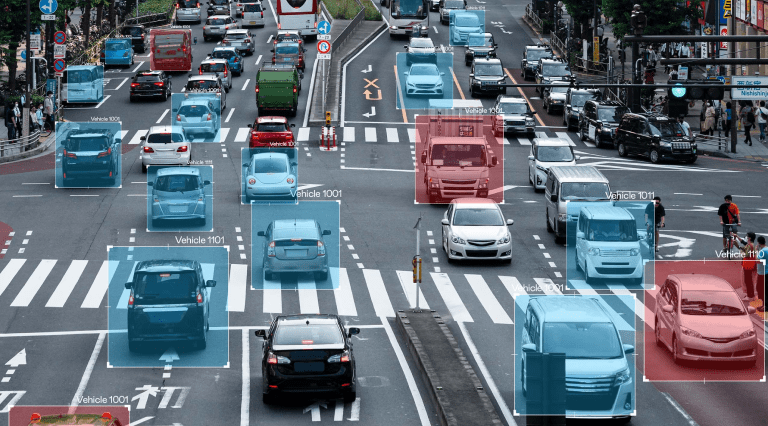
Traffic congestion is a common problem in urban areas, leading to delays, increased pollution, and accidents. AI video analytics software can play a crucial role in managing traffic flow by analyzing real-time video data from traffic cameras. AI systems can detect traffic jams, accidents, or violations such as running red lights or illegal parking. They can also predict traffic patterns based on historical data and suggest optimal routes for drivers, thereby reducing congestion.

In addition, AI can be used to monitor pedestrian crossings, ensuring that vehicles stop when necessary and reducing the likelihood of accidents. By integrating AI with smart traffic lights, cities can dynamically adjust signal timings based on the current traffic conditions, improving the overall efficiency of the transportation system.

3. Optimizing Public Services

AI in video data analytics can also be used to optimize various public services, such as waste management, energy distribution, and emergency response. For example, AI can analyze video footage to determine the volume of waste in public bins and schedule pickups when necessary, reducing the frequency of collections and lowering operational costs.

In the case of energy distribution, AI can monitor the usage patterns captured on video to identify areas of high energy consumption and suggest measures to optimize energy use. Similarly, during emergencies such as natural disasters, AI can analyze video feeds to assess damage, identify affected areas, and prioritize rescue operations, ensuring that resources are deployed where they are needed most.

4. Enhancing Environmental Monitoring

Environmental sustainability is a key focus of smart cities, and AI video analytics can contribute significantly to this goal. AI systems can analyze video data from surveillance cameras to monitor air and water quality, detect illegal dumping of waste, or track wildlife activity in urban areas. This data can then be used to implement measures that protect the environment and ensure the sustainable development of the city.

For instance, AI-powered drones equipped with cameras can be deployed to monitor remote or inaccessible areas, providing real-time data on environmental conditions. This information can help city planners and environmental agencies to make informed decisions about land use, pollution control, and conservation efforts.

5. Supporting Urban Planning and Development

Urban planning is a complex process that requires accurate data on population density, traffic patterns, and land use. AI video analytics software can provide valuable insights into these areas by analyzing video footage from different parts of the city. For example, AI can track the movement of people and vehicles, identify trends in population growth, and monitor the development of new infrastructure projects.

This data can be used by city planners to design more efficient public spaces, optimize transportation networks, and ensure that new developments are aligned with the city’s overall growth strategy. By providing real-time insights, AI can also help planners to quickly adapt to changing conditions, such as sudden increases in population or unexpected traffic patterns.

Future Prospects and Challenges

As smart cities continue to evolve, the role of AI in video data analytics will become even more critical. Advances in AI technology, such as improved machine learning models and more sophisticated computer vision algorithms, will enable even more accurate and efficient analysis of video data. However, there are also challenges to overcome, including concerns about privacy, data security, and the ethical use of AI.

To address these challenges, cities will need to implement robust data protection measures, ensure transparency in the use of AI systems, and engage with citizens to build trust. Additionally, the integration of AI into urban infrastructure will require significant investments in technology and training, as well as collaboration between public and private sectors.

Conclusion

With each passing time, smart cities are continuously evolving. Right from optimizing congestion flow to revolutionizing retail strategies, Footfall analytics powered by AI has major functionalities. As the leading video analytics software development company, Nextbrain harnesses the power of footfall analytics to unveil new levels of sustainability. AI-powered data analytics have empowered organizations with improved decision-making and real-time control. Data analytics from servers to cameras diminishes infrastructure and data volume transferred.

A Guide to Video Analytics: Applications and Opportunities

Artificial Intelligence (AI) has revolutionized numerous industries, with video analytics standing out as one of the most transformative applications. AI video analytics refers to the automated process of analyzing video footage using advanced algorithms to detect, classify, and track objects, behaviors, and events. This technology is rapidly evolving, offering a range of applications and opportunities across various sectors. In this guide, we’ll explore the key applications of AI video analytics and the potential opportunities it unlocks for businesses and organizations

Understanding AI Video Analytics

AI video analytics involves the use of algorithms and machine learning techniques to analyze video footage. Unlike traditional video surveillance, which relies heavily on human operators to monitor and interpret video data, AI video analytics automates these processes, providing faster, more accurate, and actionable insights.

Applications of AI Video Analytics.

Improving Retail Operations

The retail industry is leveraging AI video analytics for retail industry to gain deeper insights into customer behavior and optimize operations. This technology helps retailers make data-driven decisions that can significantly impact their bottom line.

  • Customer Behavior Analysis: AI can track customer movements within a store, analyzing foot traffic patterns, dwell times, and interaction with products. This information helps retailers optimize store layouts, product placements, and promotional strategies.
  • Loss Prevention: AI video analytics can detect suspicious behaviors that might indicate shoplifting or employee theft, reducing inventory shrinkage and associated losses.
  • Queue Management: AI can monitor checkout lines and alert staff when queues are getting long, ensuring that additional registers are opened to maintain customer satisfaction.

By providing actionable insights, AI video analytics enables retailers to enhance customer experiences, increase sales, and reduce operational inefficiencies.

Enhancing Security and Surveillance

Security is perhaps the most prominent application of AI video analytics. Traditional surveillance systems rely heavily on human operators, who can be prone to fatigue and errors. AI video analytics software overcomes these limitations by offering continuous, real-time monitoring with a high level of accuracy.
  • Intrusion Detection: AI can automatically detect unauthorized access or suspicious activities in restricted areas, immediately alerting security personnel. This reduces response times and enhances overall security.
  • Facial Recognition: AI-powered facial recognition systems can identify individuals in real-time, even in crowded environments. This is particularly useful in high-security areas like airports and government buildings.
  • Behavior Analysis: AI video analytics can analyze behaviors to detect anomalies, such as loitering or unattended baggage, which might indicate potential security threats.

These capabilities make AI video analytics an essential tool in enhancing security infrastructure, minimizing risks, and improving response efficiency.

Boosting Manufacturing Productivity

In the manufacturing sector, AI video analytics plays a crucial role in enhancing productivity, ensuring safety, and maintaining quality control. AI Video analytics in manufacturing offers significant benefits that drive operational excellence.

  • Quality Assurance: AI systems can inspect products on production lines, identifying defects or anomalies with greater precision and speed than human inspectors. This ensures that only high-quality products reach the market.
  • Predictive Maintenance: AI can monitor equipment performance in real-time, detecting signs of wear or malfunction before they lead to breakdowns. This helps in scheduling timely maintenance, reducing downtime, and extending the lifespan of machinery.
  • Safety Compliance: AI video analytics can monitor workers to ensure they are following safety protocols, such as wearing protective gear or maintaining safe distances from hazardous machinery. This reduces the risk of accidents and ensures compliance with safety regulations.

By integrating AI video analytics, manufacturers can improve efficiency, reduce costs, and maintain high safety and quality standards.

Optimizing Traffic Management

AI video analytics is increasingly being used in smart cities to manage traffic more efficiently, reduce congestion, and enhance road safety.

  • Traffic Flow Monitoring: AI systems can analyze traffic patterns in real-time, optimizing signal timings and suggesting alternate routes to alleviate congestion.
  • Incident Detection: AI can detect accidents, stalled vehicles, or other incidents on the road and alert authorities for a swift response. This reduces the time it takes to clear obstructions and restore normal traffic flow.
  • Pedestrian Safety: AI video analytics can monitor pedestrian crossings and adjust signal timings to ensure safety, especially in high-footfall areas.

These applications are instrumental in creating more efficient and safer urban environments, contributing to the overall goal of developing smart cities.

Revolutionizing Healthcare Monitoring

AI video analytics is making significant strides in the healthcare industry by enhancing patient monitoring, ensuring safety, and improving operational efficiency. AI Video analytics for Healthcare safety are vital components in this transformation.

  • Patient Monitoring: AI systems can monitor patients in real-time, detecting falls, sudden movements, or other signs of distress. This is particularly valuable in elderly care facilities and hospitals, where timely intervention can save lives.
  • Operational Efficiency: AI can analyze video feeds in hospitals to optimize the use of space, manage patient flow, and improve the allocation of resources such as staff and equipment.
  • Infection Control: AI video analytics can monitor compliance with hygiene protocols, such as handwashing and mask-wearing, reducing the spread of infections in healthcare settings.

By leveraging AI video analytics, healthcare providers can offer better patient care, improve operational efficiency, and ensure a safer environment for both patients and staff.

Enhancing Hospitality and Customer Experience

The hospitality industry is using AI video analytics to elevate guest experiences, streamline operations, and enhance security.

  • Personalized Guest Services: AI can analyze guest behavior and preferences, allowing hotels to offer personalized services such as tailored room settings, customized recommendations, and targeted promotions.
  • Operational Efficiency: AI can monitor staff performance and optimize workflows, ensuring that services are delivered promptly and efficiently. This includes everything from housekeeping to front desk operations.
  • Security and Safety: AI video analytics can enhance security in hotels by monitoring common areas for suspicious activities, ensuring that guests feel safe throughout their stay.

Through these applications, AI video analytics helps hospitality businesses differentiate themselves by offering exceptional experiences and ensuring smooth operations.

Opportunities in AI Video Analytics

The rapid advancement of AI video analytics presents numerous opportunities for innovation and growth. Here are some key areas where businesses can capitalize on this technology:

  • Custom Solutions: As businesses have unique needs, there is a growing demand for customized AI video analytics solutions tailored to specific industries or applications.
  • Integration with IoT: Integrating AI video analytics with Internet of Things (IoT) devices offers enhanced data collection and analysis capabilities, leading to smarter decision-making and automation.
  • Ethical AI Development: As AI video analytics becomes more widespread, ensuring ethical use, particularly in areas like privacy and data security, will be crucial. Businesses that prioritize ethical AI development will have a competitive advantage.
  • AI in Emerging Markets: There is significant potential for AI video analytics in emerging markets, where infrastructure development and urbanization are accelerating. Businesses that enter these markets early can establish a strong foothold.

Conclusion

Searching out for AI Video analytics software solutions? A vast array of applications can easily customize use cases. At Nextbrain, we have worked with both the private and public sectors. Right from leading brands to government agencies, our AI-enabled video analytics is created with expertise to provide real-time alerts and detect accurately. Connect with our expert professionals to know more about AI-enabled video analytics.

Computer Vision in Agriculture – The Best Applications

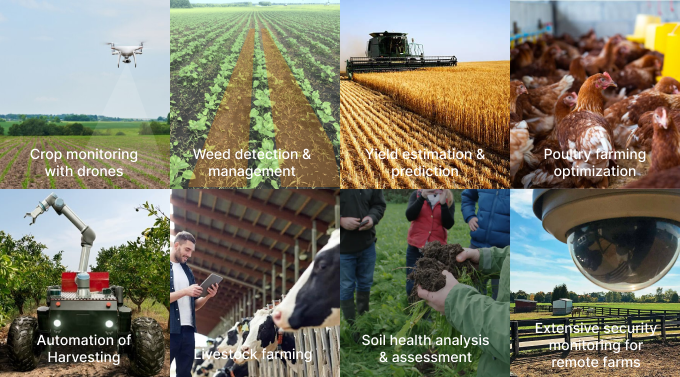
The agricultural sector is undergoing a significant transformation driven by advancements in technology, particularly in the field of computer vision. As we move through 2024, the adoption of computer vision in agriculture is enabling farmers to enhance productivity, optimize resource use, and ensure sustainability. Here are some of the most impactful applications of computer vision in agriculture:

1. Crop Monitoring and Health Assessment

Application: Computer vision systems, integrated with AI video analytics software, can analyze images captured by drones or satellites to monitor crop health in real-time. These systems use algorithms to detect early signs of disease, pest infestations, and nutrient deficiencies.

Impact:

  • Early Detection: Farmers can take corrective actions before the issues become severe, reducing crop loss.
  • Resource Optimization: Targeted use of pesticides and fertilizers minimizes environmental impact and reduces costs.

2. Precision Agriculture

Application: Computer vision is integral to precision agriculture, which involves the precise application of inputs like water, fertilizers, and pesticides based on the specific needs of different areas within a field.

Impact:

  • Increased Yields: Ensures that crops receive the right amount of inputs at the right time.
  • Cost Reduction: Reduces the overall use of resources, lowering operational costs.
  • Environmental Sustainability: Minimizes runoff and leaching, protecting local ecosystems.

3. Automated Harvesting

Application: Computer vision enables the development of autonomous harvesting robots that can identify ripe fruits and vegetables and pick them without human intervention.

Impact:

  • Labor Shortage Mitigation: Addresses the issue of labor shortages in agriculture.
  • Consistent Quality: Ensures that only ripe produce is harvested, maintaining quality.
  • Operational Efficiency: Harvesting can be done faster and more efficiently.

4. Soil and Plant Analysis

Application: Using computer vision, farmers can analyze soil composition and plant characteristics to make informed decisions about planting, irrigation, and fertilization.

Impact:

  • Improved Soil Health: Regular monitoring helps maintain soil fertility and structure.
  • Optimized Planting: Ensures that the right crops are planted in the right soil conditions, enhancing growth and yield.

5. Livestock Monitoring

Application: Computer vision systems can monitor livestock behavior and health, detecting signs of illness or distress early.

Impact:

  • Enhanced Animal Welfare: Early detection of health issues ensures timely treatment.
  • Productivity Gains: Healthy animals are more productive, leading to higher yields in dairy and meat production.
  • Cost Savings: Reduces veterinary costs by preventing the spread of diseases.

6. Weed and Pest Management

Application: Computer vision helps in identifying and classifying weeds and pests, enabling precise application of herbicides and pesticides.

Impact:

  • Selective Treatment: Only affected areas are treated, reducing chemical use.
  • Cost Efficiency: Lowers the cost of weed and pest control.
  • Sustainability: Reduces the impact on non-target species and the environment.

7. Yield Prediction

Application: Computer vision algorithms can analyze various factors like plant height, leaf area, and growth patterns to predict crop yield accurately.

Impact:

  • Better Planning: Helps farmers make informed decisions about storage, marketing, and resource allocation.
  • Risk Management: Provides insights into potential yield variations due to environmental factors, allowing for proactive measures.

8. Sorting and Grading

Application: In post-harvest processes, computer vision systems are used to sort and grade produce based on size, color, and quality.

Impact:

  • Quality Assurance: Ensures that only high-quality produce reaches the market.
  • Efficiency: Speeds up the sorting process, reducing labor costs.
  • Market Value: Helps farmers get better prices for their produce by maintaining consistent quality.

9. Irrigation Management

Application: Computer vision can be integrated with IoT devices to monitor soil moisture levels and plant water needs, enabling precise irrigation.

Impact:

  • Water Conservation: Reduces water usage by ensuring irrigation is done only when necessary.
  • Energy Savings: Lowers the energy costs associated with pumping water.
  • Crop Health: Ensures plants receive optimal water levels, enhancing growth and yield.

10. Climate Resilience

Application: Computer vision helps farmers adapt to changing climate conditions by providing insights into crop performance under different environmental stresses.

Impact:

  • Risk Reduction: Helps mitigate the risks associated with extreme weather events.
  • Sustainable Practices: Encourages the adoption of farming practices that are resilient to climate change.
  • Yield Stability: Ensures consistent yields despite climatic variations.

Conclusion

Looking for ways to build a computer vision application in smart farming and agriculture? Our integrated platform offers exceptional end-to-end tools and machine learning model frameworks to develop, deploy, and scale deep learning vision solutions. To gain complete control over their operations, farmers should adopt AI-driven solutions for real-time produce monitoring and problem-solving. As a leading computer vision software development company, Nextbrain delivers world-class applications to support a variety of industries. With proven expertise in advanced technologies, we create best-in-class applications tailored for agriculture.

The Transformation of Object Detection Through AI: Major Use Cases and Applications

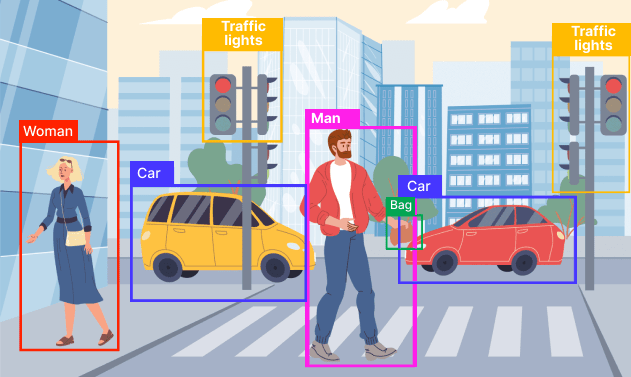
Object detection, a subset of computer vision and machine learning, involves identifying and locating objects within an image or video stream. AI has profoundly transformed this field, making object detection more accurate, efficient, and versatile. This transformation has led to a plethora of applications across various industries. Here’s a detailed exploration of how AI has revolutionized object detection, including its key use cases and applications.

1. Advancements in Object Detection Technology

Object detection has evolved significantly due to advancements in AI. Traditionally, object detection was performed using hand-crafted features and traditional machine learning algorithms. However, modern techniques primarily rely on deep learning and neural networks, particularly convolutional neural networks (CNNs). CNNs have revolutionized the field by enabling automatic feature extraction and learning complex patterns, leading to more accurate and robust object detection models.

Key Technologies:

  • Convolutional Neural Networks (CNNs): CNNs are designed to automatically and adaptively learn spatial hierarchies of features from input images. They have become the backbone of modern object detection.
  • Region-Based CNNs (R-CNNs): R-CNNs improved object detection by generating region proposals and classifying each region. However, they were computationally expensive.
  • Fast R-CNN and Faster R-CNN: These variants improved speed and accuracy by integrating region proposal networks and end-to-end training.
  • You Only Look Once (YOLO): YOLO introduced real-time object detection by framing the problem as a single regression task, significantly improving detection speed.
  • Single Shot MultiBox Detector (SSD): SSD enhanced object detection by predicting bounding boxes and class scores directly from feature maps, providing high speed and accuracy.

2. Major Use Cases of AI-Driven Object Detection

AI-driven object detection has diverse applications across multiple domains. Here are some notable use cases:

a. Autonomous Vehicles

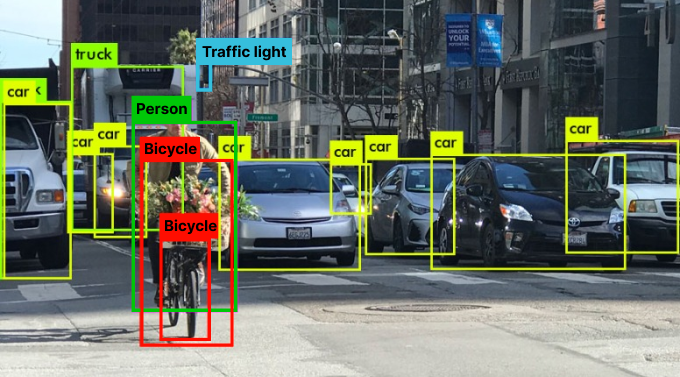
In the realm of autonomous driving, object detection plays a critical role. Self-driving cars rely on AI to identify and track objects such as pedestrians, other vehicles, traffic signs, and road markings. The accurate detection of these objects is essential for safe navigation and decision-making. AI models analyze data from cameras and sensors to provide real-time feedback to the vehicle’s control systems.

b. Healthcare and Medical Imaging

In healthcare, AI-powered object detection enhances medical imaging techniques. AI algorithms are used to detect and diagnose abnormalities in X-rays, MRIs, and CT scans. For instance, object detection can identify tumors, fractures, and other anomalies, assisting radiologists in making more accurate diagnoses and treatment plans. This technology also aids in monitoring the progression of diseases and evaluating the effectiveness of treatments.

c. Retail and Inventory Management

Retailers use AI object detection to optimize inventory management and enhance customer experience. Automated systems can track stock levels, manage inventory, and prevent theft by detecting unusual activities. For example, AI-powered cameras can monitor store shelves, identify out-of-stock items, and trigger restocking alerts. In addition, object detection can facilitate cashier-less checkout systems by automatically identifying items in a customer’s cart.

d. Security and Surveillance

AI-driven object detection has transformed security and surveillance by enabling advanced monitoring systems. Surveillance cameras equipped with object detection algorithms can identify suspicious activities, track individuals, and analyze patterns. This technology is used in various settings, including public spaces, airports, and corporate environments, to enhance safety and respond to potential threats promptly. AI video analytics software is often integrated into these systems to provide deeper insights and more nuanced analysis, improving the overall effectiveness of surveillance operations.

e. Manufacturing and Quality Control

In manufacturing, AI object detection is used to improve quality control and automation. AI systems can inspect products on production lines for defects, ensuring that only high-quality items reach the market. For instance, object detection can identify flaws in packaging, monitor assembly processes, and verify the integrity of finished goods. This technology reduces human error, increases efficiency, and maintains high production standards.

f. Agriculture and Environmental Monitoring

In agriculture, AI-powered object detection aids in monitoring crop health, identifying pests, and managing farm operations. Drones and cameras equipped with object detection algorithms can analyze crop conditions, detect diseases, and estimate yields. Similarly, in environmental monitoring, AI can track wildlife, assess habitat changes, and monitor environmental impacts, contributing to conservation efforts and sustainable practices.

3. Challenges and Future Directions

Despite its advancements, AI-driven object detection faces several challenges. Some of these include:

  • Accuracy and Robustness: Ensuring high accuracy across diverse environments and conditions remains a challenge. Variations in lighting, occlusion, and object appearance can affect detection performance.
  • Computational Resources: Complex AI models often require substantial computational power and memory, which can be a barrier for real-time applications and deployment on resource-constrained devices.
  • Bias and Fairness: AI models may inherit biases present in the training data, leading to biased or unfair outcomes. Addressing these biases is crucial for ensuring equitable and reliable object detection systems.
  • Privacy Concerns: In surveillance and security applications, there are concerns about privacy and data protection. Balancing security needs with individual privacy rights is an ongoing issue.

The future of object detection will likely involve continued improvements in model accuracy, efficiency, and adaptability. Advances in edge computing, lightweight models, and privacy-preserving techniques will enhance the deployment and effectiveness of object detection systems across various domains.

Conclusion

Object detection relies on advanced deep learning algorithms, with tools like TensorFlow and YOLO playing a crucial role. These tools are highly effective and deliver impressive results. As a leading AI development company, Nextbrain specializes in computer vision, object detection, machine learning, deep learning, and more. AI has revolutionized digital transformation, offering significant advancements. To learn more about AI development and create your own object detection system, connect with our experts today.

Design a site like this with WordPress.com
Get started