Transformative Advantages of People Counting in Smart Buildings and Offices

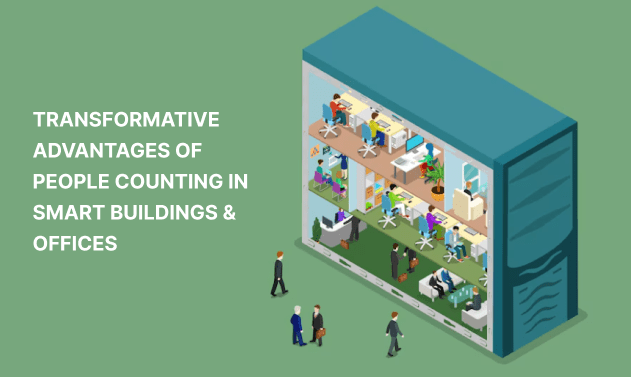
As technology advances, the concept of smart buildings and offices is becoming increasingly prevalent. One of the core components driving this transformation is people counting technology. This technology leverages sensors, cameras, and artificial intelligence (AI) algorithms to track and analyze the number of people in various spaces. The integration of people counting systems offers a multitude of transformative advantages that enhance the functionality, efficiency, and overall experience of smart buildings and offices. In this essay, we will explore these advantages in depth.

Enhanced Space Utilization

Optimized Layouts: One of the primary benefits of people counting technology is the ability to optimize the use of space within a building. By utilizing people counting software to understand patterns of movement and occupancy, facility managers can redesign layouts to maximize efficiency. For example, if certain areas are consistently underutilized, they can be repurposed to better serve the needs of the occupants. Conversely, areas that experience high traffic can be expanded or redesigned to prevent overcrowding.

Flexible Workspace Management: People counting enables flexible workspace management, such as hot-desking. In a hot-desking environment, employees do not have fixed desks but instead use any available workspace. Real-time occupancy data ensures that employees can easily find available desks, leading to a more efficient and adaptable workspace.

Improved Energy Efficiency

Dynamic HVAC Control: Heating, ventilation, and air conditioning (HVAC) systems consume a significant amount of energy in buildings. People counting technology allows for dynamic control of HVAC systems based on real-time occupancy data. When rooms are unoccupied, HVAC systems can be adjusted to reduce energy consumption, resulting in substantial cost savings.

Lighting Automation: Similar to HVAC control, lighting systems can be automated based on occupancy. Lights can be dimmed or turned off in unoccupied areas, reducing energy waste. This not only lowers energy bills but also contributes to a more sustainable building environment.

Enhanced Safety and Security

Occupancy Monitoring: Accurate occupancy data is crucial for ensuring compliance with safety regulations, such as fire codes. People counting technology helps monitor the number of people in different areas of a building, ensuring that occupancy limits are not exceeded and that the building remains safe for all occupants.

Emergency Response: In the event of an emergency, knowing the exact number of people in a building can significantly enhance emergency response efforts. Emergency responders can use occupancy data to determine the most effective evacuation routes and ensure that all individuals are accounted for.

Increased Productivity and Employee Satisfaction

Comfort Optimization: People counting technology helps maintain a comfortable environment by avoiding overcrowding and ensuring appropriate environmental conditions. For instance, HVAC systems can be adjusted to maintain optimal temperatures based on the number of occupants in a room, enhancing comfort and productivity.

Reduced Wait Times: Monitoring queues and crowded areas in real-time can help reduce wait times for shared facilities such as cafeterias, restrooms, and elevators. This leads to a more efficient use of time and increased employee satisfaction.

Data-Driven Decision Making

Utilization Insights: People counting provides valuable data on space utilization patterns, helping businesses make informed decisions about expansions, reductions, or reconfigurations. This data-driven approach ensures that resources are allocated efficiently and that spaces are used effectively.

Predictive Maintenance: By identifying usage trends, people counting technology can help predict when maintenance is needed. For example, restrooms or common areas that see high traffic might require more frequent cleaning or maintenance. Predictive maintenance reduces downtime and improves overall efficiency.

Enhanced Visitor Management

Visitor Tracking: People counting technology allows for better management of visitors by understanding peak visiting times. This ensures that adequate staffing and resources are available to handle visitor traffic efficiently, improving the overall visitor experience.

Personalized Experiences: By anticipating the needs of visitors based on occupancy trends, businesses can provide personalized experiences. For example, if visitor data indicates that certain areas are frequently visited, additional amenities or services can be provided to enhance the visitor experience.

Improved Health and Wellness

Air Quality Management: Maintaining good air quality is crucial for health and productivity. People counting technology enables dynamic ventilation control based on occupancy, ensuring that fresh air is circulated appropriately. This helps maintain a healthy indoor environment, reducing the risk of respiratory issues and improving overall well-being.

Social Distancing Compliance: In the context of health crises like COVID-19, people counting technology plays a vital role in ensuring compliance with social distancing guidelines. By monitoring occupancy levels, businesses can implement measures to prevent overcrowding and maintain safe distances between individuals.

Operational Efficiency

Cleaning Schedules: Cleaning schedules can be optimized based on actual usage rather than fixed times. Areas with higher foot traffic can be cleaned more frequently, ensuring cleanliness without wasting resources. This leads to more efficient use of cleaning staff and supplies.

Resource Allocation: People counting technology ensures that resources such as meeting rooms and workstations are used efficiently. By understanding occupancy patterns, businesses can allocate resources more effectively, reducing waste and improving operational efficiency.

Enhanced User Experience

Customizable Environments: People counting technology allows for the creation of customizable environments. For example, lighting and temperature settings can be automatically adjusted when someone enters a room, creating a personalized and comfortable experience for the user.

Smart Notifications: Employees and visitors can receive notifications about available spaces, avoiding unnecessary searches and ensuring that they can quickly find a suitable workspace. This enhances convenience and improves overall satisfaction.

Cost Savings

Reduced Overhead: Better space utilization and energy efficiency translate to lower operational costs. By optimizing the use of space and resources, businesses can reduce overhead expenses and improve their bottom line.

Scalable Solutions: People counting solutions can be scaled according to the size and needs of the building. This makes them cost-effective for various applications, from small offices to large commercial buildings.

Conclusion

Implementing people counting software in smart buildings and offices can significantly enhance visitor experience, ensure safety, optimize traffic flow, and prevent overcrowding. This technology helps adjust building systems based on occupancy levels. By harnessing data analytics, businesses can elevate visitor experience, improve efficiency, and promote sustainability. Nextbrain, a premier development company, boasts a dedicated team of professionals with extensive expertise in crafting solutions across various industries.

Get in touch with our experts to know more.
AI video analytics: How it improves safety & productivity in construction industry

The construction industry is undergoing a significant transformation with the integration of Artificial Intelligence (AI) and video analytics. By leveraging these advanced technologies, construction sites can achieve new levels of safety and productivity. This comprehensive overview explores how AI video analytics are revolutionizing the industry and driving positive outcomes.

Introduction to AI Video Analytics

AI video analytics involve the use of artificial intelligence algorithms to analyze video footage in real-time or post-event. These systems leverage computer vision, machine learning, and data processing to interpret visual data, detect patterns, and make predictions. In the construction industry, AI video analytics are employed to enhance safety protocols and boost productivity.

Enhancing Safety on Construction Sites

Real-Time Monitoring and Alerts

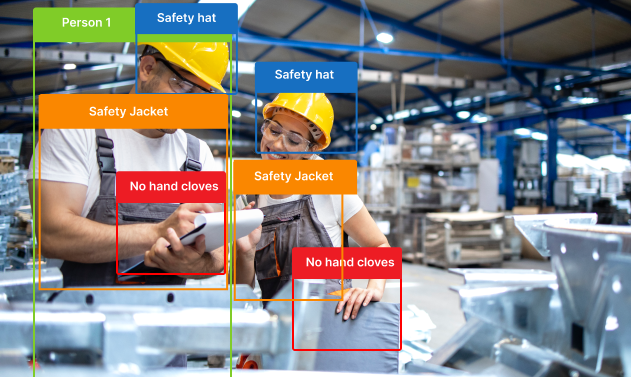
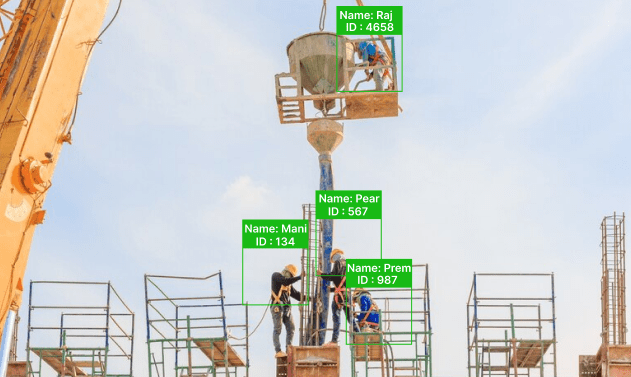
One of the most significant benefits of AI video analytics software is the ability to monitor construction sites in real-time. AI systems can continuously analyze live video feeds from cameras placed throughout the site. This allows for immediate detection of unsafe behaviors or conditions. For instance, if a worker is seen without proper personal protective equipment (PPE), the system can generate an alert, notifying site managers or supervisors to address the issue promptly. This proactive approach helps prevent accidents before they occur, enhancing overall site safety.

Accident Prevention Through Predictive Analysis

AI video analytics can identify patterns and behaviors that often precede accidents. For example, if the system detects that workers are frequently moving in and out of high-risk zones or engaging in risky maneuvers, it can predict potential hazards and provide early warnings. By analyzing historical data and current conditions, AI can help anticipate dangerous situations, allowing site managers to intervene and implement preventive measures. This predictive capability significantly reduces the likelihood of accidents and injuries on-site.

Compliance Verification and Enforcement

Ensuring compliance with safety regulations and standards is crucial in the construction industry. AI video analytics can automate the process of verifying compliance by continuously monitoring adherence to safety protocols. For instance, the system can check whether workers are wearing helmets, harnesses, or other required safety gear. It can also monitor the proper use of safety barriers and equipment. Automated compliance verification reduces the risk of human error and ensures that safety standards are consistently met.

Enhancing Training Programs

AI video analytics can be a valuable tool for improving training programs. By reviewing recorded footage of incidents or unsafe practices, AI systems can provide detailed feedback and insights for training purposes. This allows trainers to analyze real-life scenarios, identify common mistakes, and develop targeted training materials. Workers can learn from past incidents and better understand safety protocols, leading to improved awareness and adherence to safety practices.

Boosting Productivity on Construction Sites

Workflow Optimization

AI video analytics can optimize construction workflows by identifying inefficiencies and bottlenecks in real-time. By analyzing video footage of construction activities, AI systems can pinpoint areas where processes are slowed down or where resources are underutilized. For example, if the system detects that materials are being moved inefficiently or that workers are frequently waiting for equipment, it can provide recommendations for improving workflow. This optimization helps streamline operations and increases overall site productivity.

Accurate Progress Tracking

Keeping track of project progress is essential for successful project management. AI video analytics can provide accurate and up-to-date progress reports by comparing real-time video footage with project plans. The system can detect deviations from the planned schedule or identify areas where work is falling behind. This allows project managers to address issues promptly, make data-driven decisions, and ensure that the project stays on track.

Efficient Resource Management

Effective management of resources, including equipment and personnel, is crucial for maintaining productivity. AI video analytics can assist in resource management by monitoring equipment usage and personnel activities. For instance, the system can track how often equipment is used, identify periods of inactivity, and optimize scheduling to minimize downtime. Similarly, it can analyze worker productivity and allocate tasks based on individual performance. This data-driven approach helps ensure that resources are utilized efficiently and that there is minimal idle time.

Quality Control and Assurance

Maintaining high construction quality is essential for delivering successful projects. AI video analytics can enhance quality control by inspecting construction work for defects or deviations from design specifications. The system can analyze video footage to detect issues such as misaligned components, structural defects, or inconsistencies with design plans. Early detection of quality issues allows for timely corrections and reduces the need for costly rework. This ensures that the final construction meets the required standards and specifications.

Challenges and Considerations

While AI video analytics offer numerous benefits, there are also challenges to consider. Implementing these systems requires significant investment in hardware, software, and training. Additionally, the effectiveness of AI video analytics depends on the quality of the video footage and the accuracy of the algorithms. Ensuring data privacy and security is also a critical consideration, as construction sites often involve sensitive information.

Future Prospects

The future of AI video analytics in the construction industry looks promising. As technology continues to advance, AI systems will become more sophisticated, providing even greater capabilities for enhancing safety and productivity. Integration with other technologies, such as drones and IoT sensors, will further expand the potential applications of AI video analytics. Continued innovation and development will drive the construction industry towards more efficient and safer practices.

Conclusion

False alarms can create significant challenges on construction sites. However, with the integration of advanced video analytics technology, construction managers can more effectively monitor and manage facilities. By utilizing AI video analytics, construction companies can significantly reduce relevant costs and enhance operational efficiency. Interested in adopting video analytics for your construction business? Nextbrain offers cutting-edge AI video analytics solutions, including comprehensive video surveillance systems tailored for various industries. Contact us to learn more about how our solutions can benefit your business.

How footfall counters solve real-world retail problems

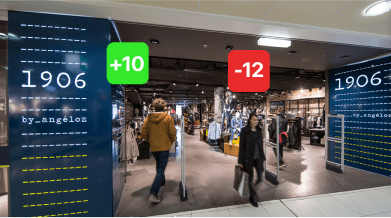
Footfall counters, also known as people counters, are devices used in retail to measure the number of customers entering and exiting a store. These counters provide valuable data that can be leveraged to solve various challenges in the retail industry. Below, we delve into how footfall counters address real-world retail problems, enhancing operational efficiency, customer experience, and ultimately driving profitability.

Enhancing Customer Experience

Optimizing Store Layout and Design:

Footfall data helps retailers understand customer movement patterns within the store. By analyzing which areas receive the most traffic, retailers can strategically place high-margin products in these hotspots to maximize sales. Conversely, underperforming sections can be re-evaluated and redesigned to improve their attractiveness.

Reducing Queue Times:

Understanding peak shopping times through footfall data allows retailers to allocate staff more efficiently. By ensuring more cashiers are available during busy periods, retailers can reduce queue times, enhancing the customer experience and reducing cart abandonment rates.

Improving Store Navigation:

Insights from footfall counters can indicate where customers might be facing difficulties in navigation. This data helps in redesigning aisles and signage to make the shopping experience smoother and more intuitive, thereby increasing customer satisfaction and potentially boosting sales.

    Operational Efficiency

    Optimal Staffing Levels:

    Footfall counters provide precise data on customer influx, enabling managers to schedule staff based on actual demand rather than estimates. This ensures that the store is neither understaffed nor overstaffed, which can significantly impact labor costs and customer service quality.

    Cleaning and Maintenance Schedules:

    By analyzing footfall patterns, retailers can schedule cleaning and maintenance during off-peak hours, minimizing disruption to customers. This leads to a cleaner and more pleasant shopping environment without inconveniencing shoppers.

    Inventory Management:

    Footfall data can be correlated with sales data to understand the conversion rate and inventory turnover. This information helps in maintaining optimal stock levels, reducing instances of stockouts or overstocking, both of which can be costly.

      Strategic Insights and Marketing

      Evaluating Marketing Campaigns:

      Footfall counters enable retailers to measure the effectiveness of marketing campaigns by comparing traffic before, during, and after promotions. This data helps in determining the return on investment (ROI) for different marketing strategies and refining future campaigns for better results.

      Customer Segmentation and Personalization:

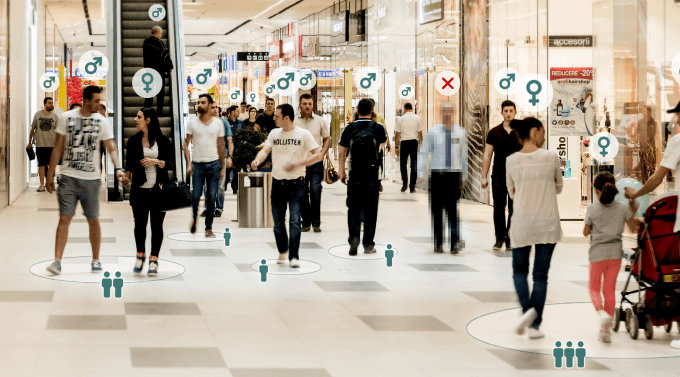
      Advanced footfall counters can gather demographic information, such as age and gender. This data allows retailers to segment their customer base and tailor marketing efforts and product assortments to meet the specific needs and preferences of different customer groups, enhancing personalization.

      Competitive Benchmarking:

      Retailers with multiple locations or those in shopping malls can use footfall data to benchmark performance against other stores. Understanding relative performance helps in identifying areas for improvement and adopting best practices from top-performing locations.

        Financial Benefits

        Rent Negotiations:

        For retailers in leased spaces, footfall data can be a powerful tool during rent negotiations. Demonstrating high customer traffic can justify lower rent increases or secure more favorable lease terms, directly impacting the bottom line.

        ROI Analysis of Store Improvements:

        Investments in store improvements, such as refurbishments or layout changes, can be evaluated for their effectiveness by comparing footfall data pre- and post-investment. This ensures that capital expenditures are justified and are contributing to increased customer traffic and sales.

          Safety and Compliance

          Occupancy Management:

          During times of heightened safety concerns, such as the COVID-19 pandemic, footfall counters help monitor and manage store occupancy levels to ensure compliance with health guidelines and regulations. This not only ensures the safety of customers and staff but also helps in avoiding fines and penalties.

          Emergency Evacuation Planning:

          Footfall data provides insights into peak occupancy times and patterns, which are crucial for effective emergency evacuation planning. Knowing the busiest times and areas of the store helps in designing evacuation routes and procedures that can save lives in emergencies.

            Advanced Analytics and Predictive Insights

            Predictive Analytics:

            Integrating footfall data with advanced analytics can provide predictive insights into future customer behavior. Retailers can forecast busy periods, seasonal trends, and potential impacts of external factors such as weather or events, allowing for proactive planning.

            Customer Journey Mapping:

            Detailed footfall analysis can help map the complete customer journey from entry to purchase. Understanding this journey enables retailers to identify bottlenecks and optimize every touchpoint to enhance the overall shopping experience and increase conversion rates.

              Conclusion

              AI video analytics software has become an essential tool for retailers, enabling them to optimize business processes, meet customer demands, and craft effective marketing strategies. In today’s dynamic retail environment, businesses are reassessing how to satisfy the increasing expectations of consumers while enhancing the customer experience. By implementing AI-driven software, retailers can gain a competitive edge. Nextbrain’s AI retail analytics software provides actionable insights that can significantly improve store performance. Contact our experts to learn more about our people counting solutions.

              Powerful PPE detection: How computer vision AI proves beneficial in automotive parts manufacturing

              In the high-stakes environment of automotive parts manufacturing, ensuring the safety of workers is paramount. The complexity and hazards associated with the manufacturing processes necessitate stringent safety measures, including the mandatory use of Personal Protective Equipment (PPE). With advancements in technology, computer vision AI has emerged as a powerful tool in enhancing PPE detection and enforcement, thereby significantly improving safety standards and operational efficiency. This article explores the multifaceted benefits of computer vision AI in PPE detection within the automotive parts manufacturing sector.

              The Role of PPE in Automotive Manufacturing

              Personal Protective Equipment (PPE) such as gloves, safety goggles, helmets, and protective clothing is crucial in protecting workers from potential injuries and accidents. In an industry where machinery and manual operations coexist, the risk of accidents due to negligence or improper use of PPE is high. Ensuring that every worker adheres to PPE protocols is a challenging task, traditionally reliant on manual supervision which is prone to human error and inefficiency.

              How Computer Vision AI Works in PPE Detection

              Computer vision AI leverages machine learning algorithms and neural networks to process and analyze visual data captured by cameras installed in manufacturing facilities. These AI systems are trained to recognize various types of PPE and can detect whether workers are wearing the required safety gear. The system works as follows:

              1. Image Acquisition: Cameras strategically placed around the facility capture real-time images and videos of the work environment.
              2. Preprocessing: The captured data is preprocessed to enhance image quality and remove noise, ensuring accurate detection.
              3. Object Detection: Using convolutional neural networks (CNNs), the AI system identifies and classifies objects within the image, focusing on detecting PPE items.
              4. Analysis: The AI analyzes whether the detected PPE meets the safety standards and if workers are wearing them correctly.
              5. Alerts and Reports: If non-compliance is detected, the system can immediately alert supervisors and generate reports for further action.

              Benefits of Computer Vision AI in PPE Detection

              Enhanced Safety Compliance

              One of the primary benefits of computer vision AI in PPE detection is the enhancement of safety compliance. The AI system continuously monitors workers, ensuring that PPE is worn at all times. This constant vigilance is beyond the capability of human supervisors, leading to a higher adherence rate to safety protocols. By minimizing the instances of non-compliance, the risk of workplace injuries is significantly reduced.

              Real-time Monitoring and Immediate Response

              Computer vision AI provides real-time monitoring capabilities, which is crucial in a dynamic manufacturing environment. The system can instantly detect PPE violations and trigger immediate responses such as alarms or notifications to supervisors. This prompt action can prevent potential accidents, ensuring that corrective measures are taken without delay.

              Reduction of Human Error

              Manual supervision is susceptible to human error, fatigue, and oversight. Computer vision AI eliminates these drawbacks by providing consistent and accurate monitoring. The AI system’s ability to function continuously without fatigue ensures that no violation goes unnoticed, thereby maintaining a high standard of safety.

              Data Collection and Analysis

              The implementation of computer vision AI allows for the collection of vast amounts of data related to PPE compliance. This data can be analyzed to identify patterns, trends, and areas of improvement. For instance, if certain times of day or specific workstations have higher rates of non-compliance, targeted interventions can be designed. This data-driven approach enhances the overall safety strategy of the manufacturing facility.

              Cost Efficiency

              Although the initial investment in computer vision AI technology can be significant, the long-term benefits outweigh the costs. By reducing workplace injuries, companies can save on medical expenses, compensation claims, and downtime. Additionally, the improved safety record can lower insurance premiums and enhance the company’s reputation, leading to potential business advantages.

              Integration with Other Systems

              Computer vision AI systems can be integrated with other digital solutions such as manufacturing execution systems (MES) and safety management systems. This integration allows for a more holistic approach to safety and operational efficiency. For instance, if a PPE violation is detected, the MES can adjust workflows to ensure that the affected area is safe before continuing operations.

              Training and Education

              The data and insights gained from computer vision AI can also be used to improve training programs. By understanding common compliance issues, training sessions can be tailored to address specific weaknesses. Additionally, workers can be educated on the importance of PPE through real-time feedback provided by the AI system, fostering a culture of safety.

              Case Study: Implementation in Automotive Parts Manufacturing

              A leading automotive parts manufacturer implemented a computer vision AI system to enhance PPE detection across its facilities. The system, equipped with high-resolution cameras and advanced AI algorithms, monitored key areas including assembly lines, welding stations, and material handling zones.

              Results:

              • Compliance Rate: Within six months, the compliance rate increased from 85% to 98%, significantly reducing the number of PPE-related incidents.
              • Incident Reduction: The number of reported accidents and near-misses dropped by 40%, highlighting the system’s effectiveness in preventing potential injuries.
              • Operational Efficiency: The facility experienced a 20% increase in operational efficiency as supervisors were able to focus on other critical tasks instead of manual monitoring.
              • Cost Savings: The reduction in workplace injuries led to a 25% decrease in associated costs, including medical expenses and downtime.

              Challenges and Future Directions

              Initial Setup and Calibration

              Setting up a computer vision AI system requires careful planning and calibration to ensure accuracy. Factors such as camera placement, lighting conditions, and the variety of PPE used need to be considered. Initial setup can be time-consuming and may require expert intervention.

              Continuous Improvement

              AI systems need continuous training and updates to adapt to new types of PPE and changing work environments. Regular maintenance and software updates are necessary to keep the system effective and accurate.

              Privacy Concerns

              The use of surveillance cameras can raise privacy concerns among workers. It is crucial to address these concerns by clearly communicating the purpose of the AI system and ensuring that data is used responsibly and ethically.

              Future Developments

              The future of computer vision AI in PPE detection looks promising, with potential advancements including:

              • Enhanced Algorithms: More sophisticated algorithms capable of detecting subtle compliance issues and improving overall accuracy.
              • Wearable Technology Integration: Integration with wearable technology that can provide additional data points, such as worker vitals and movement patterns.
              • Predictive Analytics: Leveraging AI to predict potential safety risks based on historical data and trends, allowing for proactive measures to be implemented.

              Conclusion

              Computer vision AI, particularly AI video analytics software, has proven to be a powerful tool in enhancing PPE detection in automotive parts manufacturing. By ensuring high compliance rates, providing real-time monitoring, and reducing human error, AI video analytics software significantly improves workplace safety and operational efficiency. As technology continues to evolve, the integration of advanced AI systems, such as AI video analytics software, in safety protocols will become increasingly indispensable, shaping the future of manufacturing safety standards.

              Top Hotel Digital Signage Trends in 2024: Digital Signage in Hospitality

              Digital signage in the hospitality industry has undergone significant transformation in recent years. As technology evolves and guest expectations shift, hotels are increasingly leveraging digital signage to enhance the guest experience, streamline operations, and improve overall efficiency.

              Here are the top digital signage trends in the hotel industry in 2024.

              1. Personalized Guest Experiences

              Personalized Guest Experiences

              Hyper-Personalization: One of the most prominent trends in hotel digital signage is hyper-personalization. Hotels are using data collected from guest preferences, booking history, and social media profiles to deliver tailored content. For instance, digital welcome screens can display personalized greetings, suggest local attractions based on guest interests, or recommend dining options within the hotel.

              Interactive Kiosks: Interactive digital kiosks are being deployed in hotel lobbies and common areas. These kiosks can provide guests with personalized information such as maps of the hotel, event schedules, and special offers. They can also allow guests to check in, check out, and manage their reservations without waiting in line.

              2. Enhanced Wayfinding

              Wayfinding

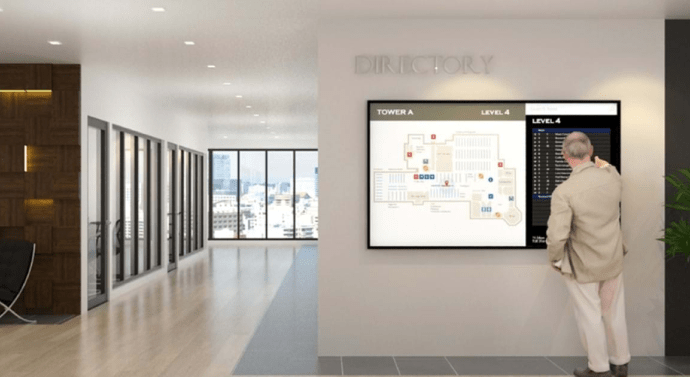
              Digital Wayfinding Solutions: Large hotel properties are increasingly adopting digital wayfinding solutions to help guests navigate their premises. These digital maps can be updated in real-time to reflect any changes in layout or room assignments, ensuring guests always have the most accurate information at their fingertips.

              Mobile Integration: Many hotels are integrating wayfinding with their mobile apps, allowing guests to use their smartphones for navigation. This seamless integration helps guests find their way to their rooms, meeting spaces, and other amenities with ease.

              3. Dynamic Content

              Real-Time Updates: Digital signage in hotels is no longer static. Content can be updated in real-time to reflect current events, weather conditions, flight information, and local news. This dynamic content keeps guests informed and engaged.

              Event Promotion: Hotels can use digital signage software to promote on-site events, such as conferences, weddings, and live performances. By displaying schedules, speaker information, and promotional videos, hotels can boost attendance and enhance the guest experience.

              4. Enhanced Guest Communication

              Emergency Alerts: In case of emergencies, digital signage can be used to display important alerts and safety instructions. This ensures that guests are quickly informed about any critical situations, enhancing overall safety.

              Feedback and Surveys: Hotels are using digital signage to solicit guest feedback through interactive surveys. This immediate feedback allows hotels to address any issues promptly and improve their services.

              5. Sustainability

              Energy-Efficient Displays: As sustainability becomes a higher priority, hotels are adopting energy-efficient LED and OLED displays. These screens consume less power and have a longer lifespan, reducing the hotel’s carbon footprint.

              Paperless Initiatives: By replacing traditional printed materials such as menus, brochures, and event schedules with digital signage, hotels are reducing paper waste. This not only benefits the environment but also allows for more frequent updates and customization of content.

              6. Integration with Other Technologies

              IoT Integration: The Internet of Things (IoT) is playing a crucial role in the advancement of digital signage. Hotels are integrating their digital signage systems with IoT devices to offer a more connected and efficient guest experience. For example, room lights and temperature can be adjusted via digital signage interfaces.

              Voice Recognition: Voice-activated digital signage is becoming more prevalent in hotels. Guests can interact with displays using voice commands to get information or perform certain actions, making the experience more intuitive and accessible.

              7. Social Media Integration

              Live Social Media Feeds: Hotels are incorporating live social media feeds into their digital signage. This allows guests to see real-time posts from the hotel’s social media accounts, upcoming events, and guest reviews. It also encourages guests to engage with the hotel’s social media platforms.

              User-Generated Content: By showcasing user-generated content such as guest photos and testimonials, hotels can build a sense of community and authenticity. This type of content can be particularly effective in promoting the hotel’s brand and services.

              8. Upselling and Cross-Selling

              Promotional Offers: Digital signage is an effective tool for upselling and cross-selling. Hotels can display targeted promotional offers for spa services, dining options, and recreational activities. These promotions can be tailored to the guest’s profile, increasing the likelihood of additional revenue.

              Room Upgrades: During check-in, digital signage can suggest room upgrades or additional services, providing guests with attractive options to enhance their stay while increasing hotel revenue.

              9. Enhanced Aesthetics

              Artistic Displays: Hotels are using digital signage as part of their interior design strategy. Artistic displays and digital art installations can enhance the ambiance of hotel spaces, creating a more visually appealing environment for guests.

              Video Walls: Large-scale video walls are becoming popular in hotel lobbies and conference areas. These impressive displays can show high-definition video content, creating an immersive and engaging experience for guests.

              10. Multilingual Support

              Language Options: Hotels with international clientele are implementing multilingual digital signage to cater to guests from different linguistic backgrounds. This ensures that all guests can easily access information and services, regardless of their native language.

              Cultural Customization: Beyond language, digital signage can be customized to reflect cultural preferences and sensitivities, providing a more inclusive and welcoming environment for all guests.

              Conclusion

              Digital signage in the hospitality industry is rapidly evolving, driven by advancements in technology and changing guest expectations. The trends of 2024 highlight a shift towards personalization, interactivity, and sustainability, with a strong focus on enhancing the guest experience and operational efficiency. By adopting these trends, hotels can not only meet but exceed the expectations of their guests, creating memorable and engaging experiences that drive loyalty and revenue. As the industry continues to innovate, digital signage will undoubtedly play a central role in shaping the future of hospitality.

              The Influence of Digital Signage Software on Restaurant Sales

              In the competitive landscape of the restaurant industry, staying ahead often requires more than just great food and service. Increasingly, establishments are turning to digital signage software to augment their sales strategies and enhance customer experiences. This technology represents a significant evolution from traditional static signs and menu boards, offering dynamic content delivery that can engage, inform, and persuade customers in ways previously unimaginable.

              Digital signage

              Enhanced Visual Appeal and Branding

              Digital signage allows restaurants to create visually appealing displays that reflect their brand identity effectively. Through vibrant images, videos, animations, and customized layouts, establishments can captivate customers and differentiate themselves from competitors. The ability to update content instantly ensures that promotional offers, new menu items, and seasonal specials are always current, thereby reinforcing brand relevance and attractiveness.

              Improved Customer Engagement

              One of the most significant advantages of digital signage is its capacity to engage customers more deeply than traditional signage. Interactive displays can entertain patrons while they wait, provide nutritional information, suggest pairings, or even showcase customer testimonials and social media feeds. Such interactive elements not only entertain but also inform and influence purchasing decisions, ultimately increasing sales.

              Dynamic Menu Management

              For restaurants, maintaining an up-to-date menu is crucial. Digital signage software simplifies this process by enabling real-time updates across multiple locations from a centralized platform. Changes in pricing, availability, or menu items can be implemented instantly, ensuring that customers always have accurate information. This flexibility not only reduces operational inefficiencies but also enhances customer satisfaction by eliminating disappointment due to outdated menus.

              Promotional Flexibility

              Promotions are a cornerstone of restaurant marketing strategies. Digital signage allows for targeted, time-sensitive promotions that can be scheduled and adjusted with precision. Whether promoting happy hour specials, limited-time offers, or upcoming events, restaurants can optimize their promotional efforts to coincide with peak traffic times or specific customer demographics, thereby maximizing impact and sales potential.

              Operational Efficiency

              Beyond marketing and customer engagement, digital signage software contributes to operational efficiency. It minimizes the need for printed materials, reducing costs and environmental impact. Additionally, centralized control simplifies content management and ensures consistency across all locations. This efficiency extends to staff training and communication, with digital signage serving as a platform for disseminating information internally, thereby enhancing team cohesion and operational readiness.

              Data-Driven Insights

              Digital signage software provides restaurants with valuable data insights that can inform strategic decision-making. Analytics such as customer interaction rates, content effectiveness, and peak times of engagement offer actionable intelligence. By leveraging this data, restaurants can refine their marketing strategies, optimize menu offerings, and personalize customer experiences, ultimately driving higher sales and customer loyalty.

              Adaptability to Industry Trends

              The restaurant industry is dynamic, with trends evolving rapidly. Digital signage offers the flexibility to adapt quickly to changing consumer preferences, dietary trends, or industry regulations. Whether promoting plant-based options, highlighting sustainable practices, or showcasing local sourcing, restaurants can align their signage content with current trends to resonate more deeply with customers and enhance their brand reputation.

              Scalability and Integration

              Digital signage solutions are scalable, making them suitable for both single-location restaurants and large chains. Cloud-based platforms facilitate seamless integration with existing POS systems, mobile apps, and social media platforms, enabling cohesive omnichannel marketing strategies. This integration not only enhances visibility but also streamlines customer engagement and transaction processes, contributing to overall sales growth.

              Creating Memorable Experiences

              Ultimately, digital signage contributes to creating memorable dining experiences. Whether through captivating visuals, personalized recommendations, or seamless ordering processes, restaurants can leave a lasting impression on customers. By combining technology with hospitality, establishments can foster emotional connections that translate into repeat business and positive word-of-mouth, further driving sales and sustainable growth.

              Conclusion

              Upon careful examination of pertinent aspects of digital signage systems, it becomes clear that digital signage software offers significant advantages in fostering strong customer relationships, boosting revenues, enhancing customer experiences, and cutting costs. If you’re seeking to develop robust digital signage software, Nextbrain stands out as a premier software development company adept at creating feature-rich solutions tailored to various business sectors. Our dedicated developers possess deep technical knowledge and expertise in crafting cutting-edge solutions using advanced technology stacks and modern techniques. Feel free to engage in discussions about digital signage systems with our skilled professionals.

              How People Counting software Can Transform Libraries and museums– An In-Depth Analysis

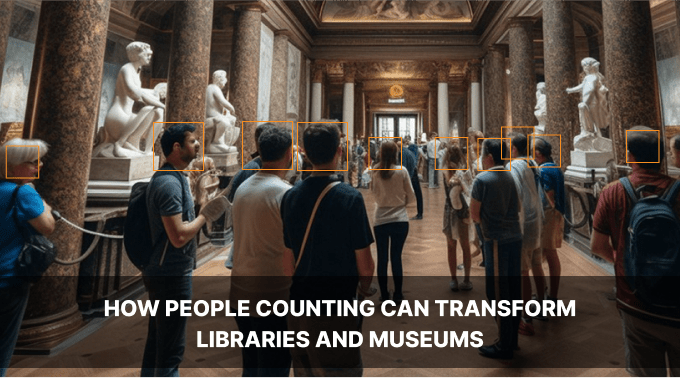
              In today’s digital age, libraries and museums are evolving from traditional repositories of knowledge and artifacts into dynamic spaces for learning, engagement, and community interaction. As these institutions strive to enhance visitor experience and operational efficiency, the integration of advanced technologies like People Counting software is becoming increasingly essential. This in-depth analysis explores how People Counting software can transform libraries and museums, focusing on its benefits, implementation challenges, and the future outlook.

              People counting

              Benefits of People Counting Software:

              Improved Visitor Experience

              People Counting software enables libraries and museums to gather accurate data on visitor numbers and behaviors. By analyzing this data, institutions can optimize their spaces to enhance the visitor experience. For example, understanding peak visiting hours can help in scheduling additional staff or planning events that cater to larger audiences. Additionally, heat maps generated by these systems can identify popular exhibits or sections, allowing for better space utilization and crowd management.

              Operational Efficiency

              Accurate visitor data helps in streamlining operations. For instance, libraries can adjust their book restocking schedules based on foot traffic patterns, ensuring that popular books are always available. Museums can use this data to schedule cleaning and maintenance activities during low-traffic periods, minimizing disruptions to visitors. Moreover, insights into visitor flows can aid in the strategic placement of amenities like restrooms and cafes, enhancing overall operational efficiency.

              Enhanced Safety and Security

              People Counting software contributes to the safety and security of visitors. In emergency situations, real-time data on the number of people in different areas of the facility can be crucial for efficient evacuation. Furthermore, monitoring visitor numbers helps in maintaining compliance with safety regulations regarding maximum occupancy limits, ensuring a safe environment for all.

              Data-Driven Decision Making

              The data collected through People Counting systems provides a solid foundation for strategic decision-making. Libraries and museums can leverage this data to justify funding requests, plan future expansions, or modify existing exhibits based on visitor engagement levels. Data-driven insights can also support targeted marketing efforts, identifying demographic trends and visitor preferences to tailor promotional activities effectively.

              Enhanced Funding and Sponsorship Opportunities

              Quantifiable visitor data can be instrumental in securing funding and sponsorships. Potential donors and sponsors are more likely to invest in institutions that can demonstrate high visitor engagement and effective use of space. Detailed analytics from People Counting software can showcase the impact and reach of the institution, making a compelling case for financial support.

              Implementation Challenges:

              Initial Costs and Integration

              One of the primary challenges in implementing People Counting software is the initial cost. High-quality sensors and sophisticated analytics platforms require a significant investment. Additionally, integrating this software with existing systems can be complex, requiring technical expertise and potentially leading to temporary disruptions in operations.

              Privacy Concerns

              The collection of visitor data raises privacy concerns, particularly in terms of how the data is stored, used, and protected. Institutions must ensure compliance with data protection regulations and implement robust security measures to safeguard visitor information. Transparent communication with visitors about data collection practices is also essential to maintain trust.

              Data Accuracy and Reliability

              The accuracy of People Counting software can be affected by various factors such as lighting conditions, the layout of the space, and the movement patterns of visitors. Ensuring high accuracy requires regular calibration and maintenance of the sensors, which can be resource-intensive. Additionally, discrepancies in data can lead to incorrect insights, affecting decision-making processes.

              Staff Training and Adaptation

              Implementing People Counting software necessitates training staff to use the new systems effectively. This includes not only technical training but also educating staff on interpreting data and integrating insights into daily operations. The adaptation period can be challenging, requiring time and effort to achieve a seamless transition.

              Future Outlook:

              Integration with Advanced Technologies

              The future of People Counting software lies in its integration with other advanced technologies such as artificial intelligence (AI), the Internet of Things (IoT), and augmented reality (AR). AI can enhance data analytics capabilities, providing deeper insights into visitor behaviors and preferences. IoT devices can offer real-time data collection and monitoring, while AR can create interactive and immersive experiences based on visitor data.

              Personalized Visitor Experiences

              As People Counting software evolves, it can enable more personalized visitor experiences. For example, by tracking visitor preferences and behaviors, libraries and museums can offer tailored recommendations for exhibits, books, or events. This level of personalization can significantly enhance visitor satisfaction and engagement.

              Sustainable Operations

              Data from People Counting software can support sustainability initiatives. By understanding visitor patterns, institutions can optimize energy usage, reducing lighting, heating, or cooling in areas with low traffic. This not only lowers operational costs but also contributes to environmental conservation efforts.

              Enhanced Community Engagement

              People Counting data can help libraries and museums to better understand their communities and tailor their offerings accordingly. By identifying trends and preferences within different demographic groups, these institutions can design programs and exhibits that resonate more deeply with their audiences, fostering stronger community connections.

              Global Benchmarking and Collaboration

              With the widespread adoption of People Counting software, libraries and museums can engage in global benchmarking, comparing their performance and visitor engagement metrics with similar institutions worldwide. This can foster collaboration, knowledge sharing, and the adoption of best practices across the cultural sector.

              Conclusion:

              The integration of People Counting in libraries and museums holds transformative potential. By providing accurate data on visitor numbers and behaviors, it enables these institutions to enhance visitor experiences, streamline operations, ensure safety, and make informed strategic decisions. While challenges such as initial costs, privacy concerns, and data accuracy need to be addressed, the benefits far outweigh the drawbacks. As technology continues to advance, People Counting software will play an increasingly vital role in shaping the future of libraries and museums, driving innovation, sustainability, and community engagement.

              How to elevate your digital employee experience with digital signage

              Elevating the digital employee experience (DEX) with digital signage is an innovative approach that can transform the workplace environment, enhance communication, and boost employee engagement. Digital signage, essentially a network of displays that can be remotely managed and updated, offers a dynamic and interactive platform to convey information, foster a sense of community, and support organizational goals.

              Here’s a detailed exploration of how digital signage can enhance the digital employee experience.

              Enhancing Communication

              1. Real-time Information Sharing: Digital signage allows for the instantaneous dissemination of important information. This can include company announcements, policy updates, or emergency alerts. By placing digital screens in common areas such as lobbies, break rooms, and hallways, employees are constantly in the loop, which fosters a sense of inclusion and transparency.

              2. Visual Data Representation: Complex data and metrics can be more easily understood when presented visually. Digital signage software can display key performance indicators (KPIs), sales targets, project timelines, and other critical data in real-time, making it easier for employees to grasp and act on this information. This visual approach can significantly enhance comprehension and retention compared to traditional text-based communication.

              Boosting Employee Engagement

              1. Recognition and Motivation: Digital signage can be used to recognize employee achievements and milestones. Highlighting employee of the month, project completions, and personal milestones such as birthdays or work anniversaries can boost morale and motivate employees. This public recognition fosters a positive work environment and encourages a culture of appreciation.

              2. Interactive Content: Interactive digital signage allows employees to engage directly with the content. This can include touchscreens where employees can browse through company news, upcoming events, or even training materials. Gamified elements, such as quizzes or polls, can further enhance engagement and make information dissemination fun and interactive.

              Supporting Organizational Goals

              1. Alignment with Company Vision: Digital signage is an effective tool for consistently reinforcing the company’s vision, mission, and values. Regularly displaying these core messages ensures they are front and center in employees’ minds, fostering alignment with organizational goals. This continuous reinforcement helps integrate these values into the daily work culture.

              2. Promoting Initiatives and Campaigns: Whether it’s a new corporate social responsibility (CSR) initiative, a wellness program, or a sustainability campaign, digital signage can effectively promote these initiatives. Dynamic content such as videos, infographics, and success stories can capture employees’ attention and encourage participation, thereby supporting the company’s broader objectives.

              Facilitating Learning and Development

              1. Onboarding and Training: Digital signage can streamline the onboarding process for new employees. Interactive screens can guide new hires through company policies, introduce them to team members, and provide an overview of their tasks. For ongoing training, digital signage can offer bite-sized learning modules, tips, and reminders, making continuous learning an integral part of the workday.

              2. Knowledge Sharing: Encouraging a culture of knowledge sharing is vital for innovation and growth. Digital signage can display insights from different departments, best practices, and lessons learned from completed projects. This not only keeps employees informed but also encourages cross-departmental collaboration and learning.

              Improving Workplace Environment

              1. Creating a Dynamic Work Environment: The presence of digital signage can make the workplace feel modern and dynamic. By displaying a variety of content such as news, weather updates, motivational quotes, and even live social media feeds, the workplace becomes more vibrant and engaging. This can positively impact employees’ mood and productivity.

              2. Enhancing Health and Safety: Digital signage can play a crucial role in promoting health and safety in the workplace. Regular reminders about health protocols, safety procedures, and wellness tips can be displayed prominently. In times of crisis, such as during a pandemic, digital signage provides a reliable way to keep employees informed about critical health guidelines and updates.

              Fostering Collaboration and Community

              1. Highlighting Collaborative Efforts: Showcasing collaborative projects and cross-departmental achievements on digital signage can encourage a spirit of teamwork. Highlighting how different teams contribute to common goals helps employees see the bigger picture and understand their role within the organization.

              2. Social and Community Building: Digital signage can also be used to promote social events, team-building activities, and community service opportunities. By keeping employees informed about these events and showcasing their outcomes, digital signage helps build a sense of community and belonging.

              Implementing Digital Signage Successfully

              To fully realize the benefits of digital signage in elevating the digital employee experience, it is essential to follow best practices in implementation:

              1. Strategic Placement: Careful consideration should be given to where digital signs are placed. High-traffic areas where employees naturally gather, such as break rooms, cafeterias, and entryways, are ideal for maximizing visibility and engagement.

              2. Content Relevance and Diversity: Content displayed on digital signage should be regularly updated and relevant to employees. A mix of information types, from serious announcements to light-hearted content, keeps the screens engaging and prevents information overload.

              3. Employee Involvement: Involving employees in content creation can enhance engagement. Allowing teams to contribute to the content, whether it’s sharing departmental updates, success stories, or personal achievements, ensures the content is diverse and inclusive.

              4. Integration with Other Systems: Integrating digital signage with other internal systems, such as HR software or project management tools, can streamline content updates and ensure the information is always current. This integration can also allow for personalized content, tailored to specific departments or even individuals.

              5. Measuring Impact: Finally, it’s crucial to measure the impact of digital signage on employee engagement and communication. Regular feedback from employees can help assess its effectiveness and identify areas for improvement. Metrics such as content interaction rates and employee satisfaction surveys can provide valuable insights.

              Conclusion

              Digital signage is a powerful tool that can significantly enhance the digital employee experience. By improving communication, boosting engagement, supporting organizational goals, facilitating learning, improving the workplace environment, and fostering collaboration, digital signage creates a more dynamic and connected workplace. Successful implementation requires strategic placement, relevant content, employee involvement, system integration, and regular impact measurement. When done right, digital signage not only enhances the digital employee experience but also contributes to a more motivated, informed, and cohesive workforce.

              Retail Footfall Analytics for Shopping Malls: How it have revolutionized shopping mall experiences

              In the rapidly evolving landscape of retail, shopping malls are embracing technological advancements to enhance customer experiences and optimize operational efficiency. One such revolutionary tool is retail footfall analytics, driven by sophisticated footfall counting software and people counting software. This article explores how these technologies have transformed the shopping mall experience, shedding light on the key benefits and implications for both retailers and consumers.

              Understanding Retail Footfall Analytics:

              Retail footfall analytics refers to the process of collecting, analyzing, and interpreting data related to the number of people entering a retail space. This practice has become increasingly prevalent in shopping malls, as it provides valuable insights into customer behavior, helps optimize store layouts, and informs strategic decision-making.

              Key Components:

              At the core of retail footfall analytics are advanced technologies like footfall counting software and people counting software. These tools utilize a variety of sensors, including cameras, infrared sensors, and Wi-Fi tracking, to accurately measure and analyze the flow of visitors within a shopping mall.

              Accuracy and Precision:

              • Footfall counting software ensures precise and real-time monitoring of the number of individuals entering and exiting specific areas within a shopping mall.
              • People counting software employs advanced algorithms to distinguish between adults, children, and groups, providing a nuanced understanding of customer demographics.

              Operational Optimization:

              • By leveraging footfall analytics, shopping mall management can optimize staffing levels, ensuring that the right number of personnel is available during peak hours.
              • People counting software aids in identifying high-traffic zones, allowing for strategic placement of promotional displays, improving overall store performance.

              Customer Journey Mapping:

              • Retailers can use footfall analytics to map the customer journey within the mall, identifying popular routes and potential bottlenecks.
              • People counting software assists in understanding customer preferences, enabling targeted marketing strategies and personalized shopping experiences.

              Benefits for Shopping Malls:

              Enhanced Customer Experience:

              • Retail footfall analytics enable shopping malls to tailor their offerings based on real-time customer behavior, leading to personalized and engaging experiences.
              • Footfall counting software helps identify peak shopping times, allowing for the implementation of crowd control measures and ensuring a seamless shopping experience for visitors.

              Optimized Tenant Mix:

              • Shopping mall operators can use footfall analytics to assess the performance of individual stores and optimize the overall tenant mix.
              • People counting software aids in understanding customer preferences, facilitating strategic decisions regarding lease agreements and tenant placement.

              Increased Revenue Generation:

              • With the insights gained from footfall analytics, shopping malls can implement targeted marketing campaigns and promotions, driving foot traffic to specific areas or stores.
              • People counting software assists in measuring the effectiveness of promotional activities, enabling data-driven decision-making for maximizing revenue.

              Conclusion:

              The integration of retail footfall analytics, powered by advanced footfall counting software and people counting software, has revolutionized the shopping mall experience. These technologies offer a wealth of data and insights that empower shopping mall operators to optimize operations, enhance customer experiences, and drive revenue growth. As the retail landscape continues to evolve, the strategic adoption of footfall analytics is poised to play a pivotal role in shaping the future of shopping mall environments.

              AI-Based Video Analytics. What is it? How does it work?

              AI-based video analytics refers to the use of artificial intelligence (AI) techniques to analyze and extract valuable insights from video data. This technology has gained significant attention across various industries due to its ability to automate tasks, improve efficiency, and enhance security. In this essay, we’ll explore what AI-based video analytics is, how it works, and its applications across different sectors.

              What is AI-Based Video Analytics?

              AI video analytics software involves the application of machine learning algorithms to analyze video content and extract useful information automatically. It enables computers to understand, interpret, and derive meaning from visual data, much like how humans perceive and comprehend images and videos.

              The core components of AI-based video analytics include computer vision, deep learning, and data analytics techniques. Computer vision algorithms process raw video feeds, extract relevant features, and identify objects, patterns, or anomalies within the footage. Deep learning models, particularly convolutional neural networks (CNNs), are commonly used for tasks such as object detection, tracking, and recognition. Data analytics algorithms then analyze the extracted information to generate insights and actionable intelligence.

              How Does AI-Based Video Analytics Work?

              AI-based video analytics typically follows a multi-step process:

              1. Data Acquisition: The first step involves collecting video data from various sources, such as surveillance cameras, drones, or video streams. This data may be stored locally or in the cloud.
              2. Preprocessing: Raw video data often contains noise, irrelevant information, or inconsistencies. Preprocessing techniques such as noise reduction, stabilization, and frame alignment are applied to enhance the quality and usability of the footage.
              3. Feature Extraction: Computer vision algorithms analyze the preprocessed video frames to extract meaningful features, such as objects, shapes, textures, and motion patterns. Techniques like edge detection, optical flow estimation, and feature point detection are utilized for this purpose.
              4. Object Detection and Recognition: Deep learning models, particularly CNNs, are employed to detect and recognize objects within the video frames. These models are trained on large datasets to accurately identify specific objects, people, vehicles, or other entities of interest. Object detection algorithms localize objects by drawing bounding boxes around them, while recognition algorithms classify them into predefined categories.
              5. Tracking and Analysis: Once objects are detected, tracking algorithms monitor their movement and behavior over time. This enables the system to analyze trajectories, interactions, and anomalies within the video footage. Advanced tracking techniques incorporate motion prediction, Kalman filtering, and data association methods to maintain accurate object identities across frames.
              6. Event Detection and Alert Generation: AI algorithms analyze the tracked objects and their interactions to detect events or anomalies of interest, such as security breaches, traffic congestions, or crowd disturbances. When an event is detected, the system generates alerts or notifications to inform operators or trigger automated responses.
              7. Post-Processing and Reporting: The final step involves post-processing the analyzed data to generate insights, statistics, or visualizations. Reports, dashboards, or interactive interfaces may be created to present the findings in a comprehensible format for decision-makers.

              Applications of AI-Based Video Analytics

              AI-based video analytics has a wide range of applications across various industries:

              1. Surveillance and Security: It is extensively used for real-time monitoring of public spaces, airports, critical infrastructure, and commercial premises to detect and prevent security threats, unauthorized access, or suspicious activities.
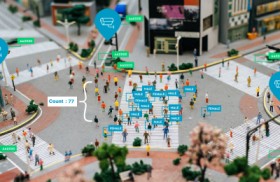
              2. Traffic Management: AI-based video analytics optimizes traffic flow, detects traffic violations, and monitors road conditions to improve safety and efficiency on highways, urban streets, and intersections.
              3. Retail Analytics: Retailers utilize video analytics to analyze customer behavior, track foot traffic, and optimize store layouts for better product placement and marketing strategies. It also helps in preventing theft and reducing shrinkage.
              4. Smart Cities: In smart city initiatives, video analytics is employed for various purposes such as managing public transportation, monitoring environmental conditions, enhancing urban planning, and ensuring public safety.
              5. Healthcare: Video analytics assists healthcare providers in monitoring patient activities, ensuring compliance with medical protocols, and enhancing security within healthcare facilities.
              6. Industrial Automation: In industrial settings, video analytics is used for quality control, monitoring production processes, ensuring worker safety, and detecting equipment failures or anomalies.
              7. Entertainment and Media: In the entertainment industry, video analytics is utilized for content recommendation, audience engagement analysis, and personalized advertising.

              Conclusion

              AI-based video analytics harnesses the power of artificial intelligence and computer vision to analyze video data and extract valuable insights automatically. By leveraging advanced algorithms and deep learning techniques, it enables real-time monitoring, event detection, and intelligent decision-making across various sectors including security, transportation, retail, healthcare, and entertainment. With ongoing advancements in AI technology, the potential applications of video analytics continue to expand, driving innovation and efficiency across industries.

              Design a site like this with WordPress.com
              Get started